
Veterans

Find practical advice, emotional support, and resources to help you or your loved one cope with the challenges of living with lung cancer.

July 6, 2026
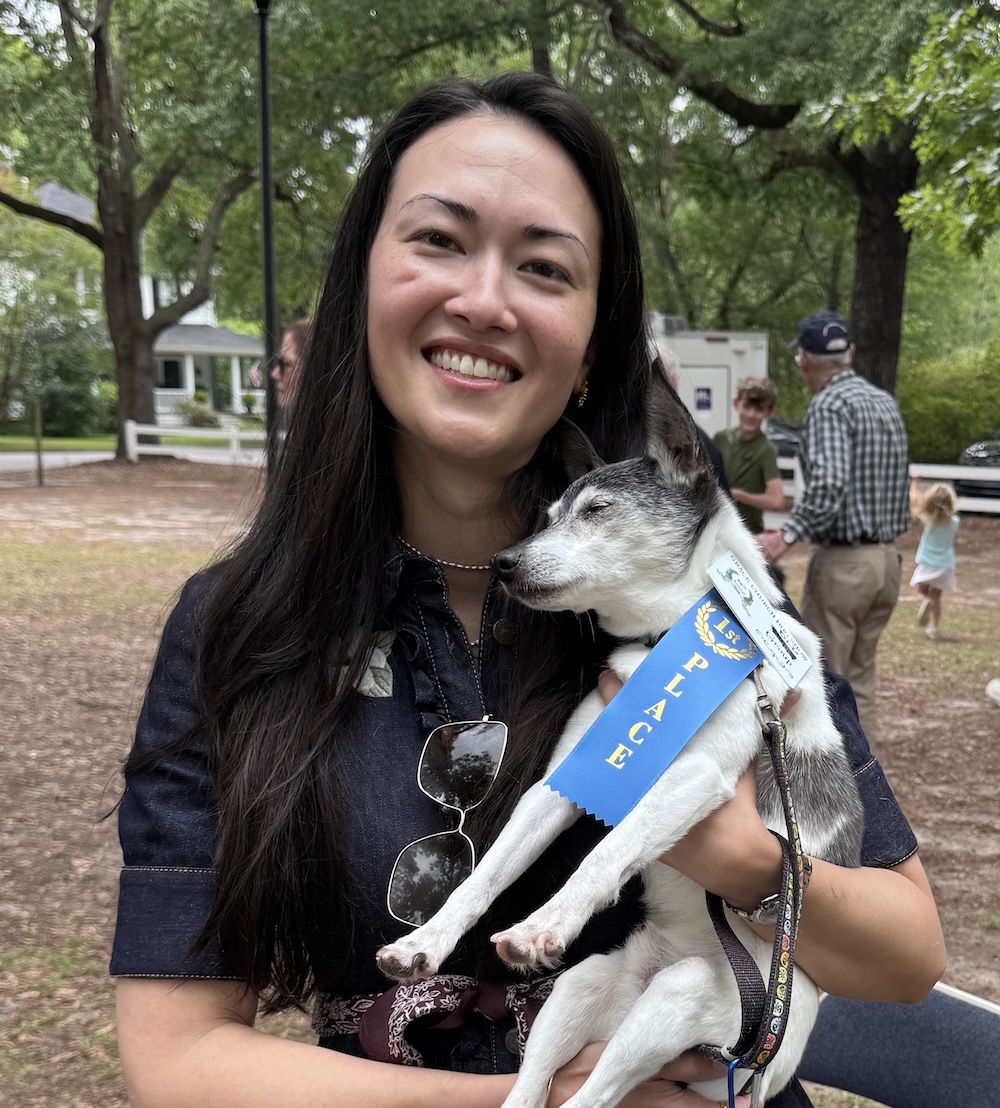
Laura lives in Camden, South Carolina, where she loves horseback riding, playing Mahjong, and is opening her very own Mahjong studio. She is a Veteran who receives care through the Veterans Administration (VA) and is an active advocate for lung cancer awareness.
Laura never expected lung cancer to be part of her story. At 38, she was doing everything she was supposed to do. She was keeping up with annual appointments through the VA, staying active, and paying attention to her health. Lung cancer wasn’t even on her radar.
But looking back, there were signs. She had a lingering cough that began the previous spring, fatigue that she chalked up to stress from work and life, and congestion that allergy medications never seemed to touch. Occasionally, she even coughed up blood. But like many people, especially younger people, she never imagined it could mean lung cancer.
“I was so focused on all the other cancers,” Laura said. “My mom died of colon cancer, so I started getting colonoscopies in my twenties. I kept up with everything they tell you to be aware of related to women’s health. But lung cancer was nowhere on my radar.”
During a routine visit at the VA in April 2023, Laura mentioned the cough to her doctor, along with wrist pain, exhaustion, and a handful of other symptoms that had slowly become part of everyday life. Because Veterans are diagnosed with lung cancer at higher rates than the general population, her care team ordered a chest X-ray right away.
The chest X-ray appeared to show a small 6-millimeter nodule in her right lung. It was small enough that her care team reassured her it was common in service members. They'd just monitor it with a CT scan to make sure it wasn't growing.
Then the CT results came back. The nodule wasn't 6 millimeters. It was almost 6 centimeters.
Her doctor called her that afternoon. She told Laura she was sorry and that she was going to schedule her with an oncologist right away. Laura didn't even know what to say.
"I'm sorry, ‘oncologist?’ What do you mean? Why do I need an oncologist? Could it be anything else?" she asked.
"Based on the size of [the nodule]," the doctor told her, "No. It's going to be cancer."
The importance of biomarker testing
A few days later, Laura underwent a biopsy through the VA’s partnership with the Medical University of South Carolina (MUSC). Her pulmonologist immediately emphasized the importance of comprehensive biomarker testing before starting treatment. It’s a step that Laura now knows was critical.
“They said, ‘We’re going to get a lot of tissue, send it for genetic testing, and wait for those results before deciding on treatment,’” she said. “I was lucky. This is how everybody should be treated.”
The results confirmed that Laura had stage 4 (IV) ALK-positive lung cancer, a form of non-small cell lung cancer (NSCLC) driven by an ALK biomarker. Although hearing the words “stage 4” was devastating, learning she had a biomarker also meant she had highly targeted treatment options available.
At first, Laura started treatment with alectinib, an ALK-targeted therapy. But while the medication effectively treated her cancer, the side effects became difficult to manage.
Eventually, after struggling with side effects and elevated liver enzymes, Laura transitioned to lorlatinib, another ALK-targeted therapy she says has allowed her to regain much of her quality of life.
“I have energy again,” she said. “It’s so much better.”
Learning to live with uncertainty
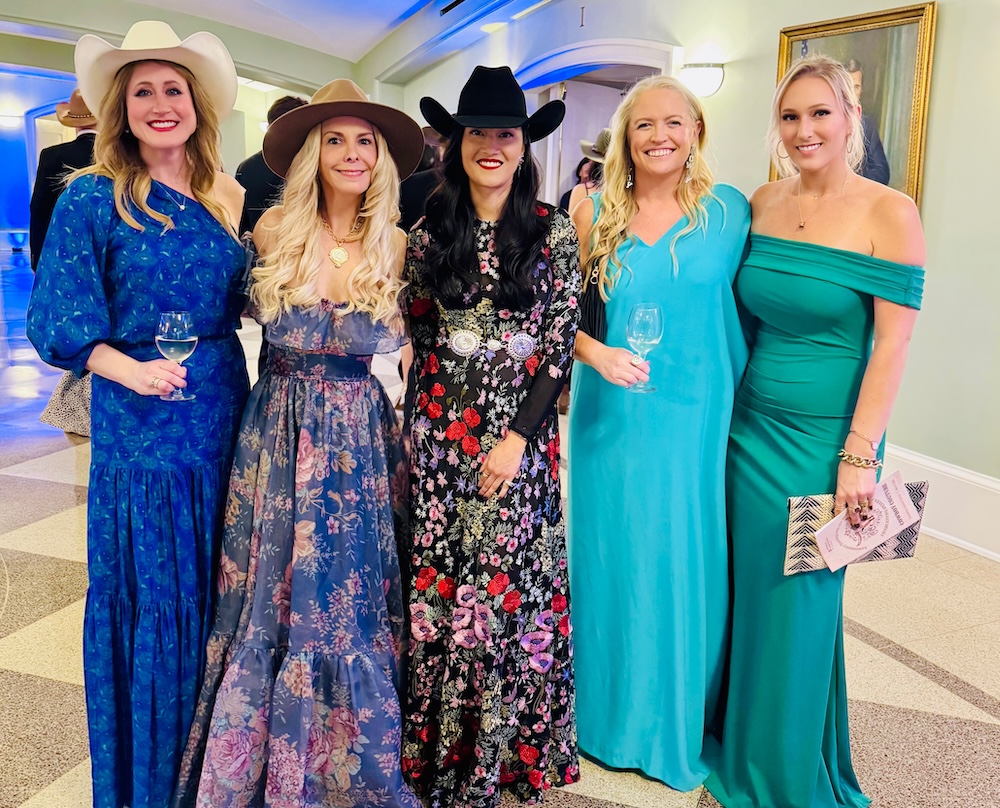
Still, adjusting to life with metastatic lung cancer has been about far more than finding the right medication. Laura describes the emotional aftermath of diagnosis as one of the hardest parts of her experience.
“The diagnosis is world-upending,” she said. “First, you think you’re going to die. Then, actually, no. Maybe you’re not going to die right away. And, OK, you’re excited to be doing so well, but now you have to figure out how to live this entirely new way.”
Over time, Laura has learned that coping doesn’t always mean fixing everything. In fact, some of her biggest lessons have come from letting go of the illusion of control.
“I went a little crazy trying to control everything at first,” she said. “I changed my diet, exercised constantly, and stopped drinking alcohol overnight. I just wanted to do something.”
“Over time, I had to learn to let go a little, and that I don’t need to solve every bad feeling,” she said. “I control what I can control and let the bad days come when they come. It doesn’t mean it’s forever.”
That shift in perspective has helped Laura rebuild a life that still feels joyful and meaningful. After her diagnosis, she moved to Camden, South Carolina, where she now spends time horseback riding, playing mahjong, and preparing to open a mahjong studio, a project she enthusiastically describes as her latest obsession.
“When I’m into something, I’m serious about it,” she laughed. “It’s been good to channel that energy from cancer to something more fun.”
Finding community and hope
Laura has also become involved in advocacy through GO2 for Lung Cancer and the ALK Positive community. Attending advocacy events and scientific summits has transformed the way she thinks about the future.
“Every year at the ALK Summit, researchers and doctors show us what they’re working on,” she said. “You realize there are absolutely brilliant people out there who care deeply about helping us live longer.”
Sharing her story on Capitol Hill during GO2’s Voices Summit has also shown her how much education is still needed around lung cancer.
“I realized legislators and staffers often don’t know anything about lung cancer,” she said. “Sharing my story was an opportunity to teach them about the disease and what is needed to better treat it.”
Today, Laura hopes her story helps challenge outdated assumptions about who gets lung cancer and what life after diagnosis can look like, especially for younger people, Veterans, and people living with biomarker-driven disease.
Her biggest advice for someone newly diagnosed?
“Take your time,” she said. “You don’t have to figure everything out right now.”
She also strongly encourages others to find community.
“The biggest help for me was joining a supportive group and talking to people going through the same thing,” Laura said. “You realize you’re not alone, and that’s priceless.”
“There’s so much more coming”
Three years after her diagnosis, Laura knows life still includes uncertainty, grief, and hard days. But it also includes hope, connection, and plans for the future.
“It’s so empowering to see all the advances happening in research,” she said, “I really believe there’s so much more coming.”
A lung cancer diagnosis can bring a lot of questions, emotions, and uncertainty. GO2 for Lung Cancer's free HelpLine connects you with trained specialists who can provide support, answer questions, and help you find resources along the way. Whether you're newly diagnosed, in treatment, or navigating survivorship, you don't have to face it alone.
Call us at 1-800-298-2436 or email support@go2.org to learn more.
November 25, 2024
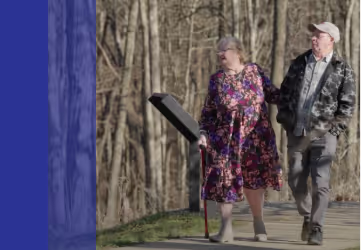
GO2 for Lung Cancer and the Department of Veterans Affairs (VA) have a longstanding collaborative partnership to raise awareness about the importance of lung cancer screening. Veterans and active-duty members of the military have an increased risk for lung cancer and may have lower survival rates than the civilian population. Kenneth C., from St. Mary, MO, is a U.S. Army Veteran and, thanks to early detection through low-dose CT lung cancer screening, a lung cancer survivor. Kenneth’s VA primary care provider immediately identified that he met the guidelines to be screened. When cancer was found, the Kansas City VA navigated him through a swift path to treatment. Learn more about Kenneth and how the VA delivers excellence in healthcare through its comprehensive lung cancer screening program.

May 20, 2024
Jim Fackler lives in Lancaster, South Carolina, with his wife, Gail. He is a proud Vietnam veteran who served in the United States Navy. He enjoys golf, driving his pontoon on the lake, home improvement projects, and meeting with other veterans. Jim and his wife also love to travel and are planning a trip to Amsterdam and Belgium this summer.In September 2021, I was told I had stage 4 (IV) small cell lung cancer (SCLC). To say I was in shock doesn’t even begin to describe what I felt when I was given the news. After the initial diagnosis, further testing found that the cancer had spread to my hips, abdomen, and brain. Today, 2.5 years after my diagnosis, I’m very happy to say that the cancer appears to be gone from my brain, hips, and abdomen, with only a small node left in the lung.
My diagnosis
In July 2021, I started coughing and assumed it was just a summer cold. As time went on and the cough persisted and started affecting my sleep, I got in touch with my Veterans Administration (VA) doctor. We were still at the height of COVID-19, and the VA was not seeing patients in person, so we communicated via email. They thought my blood pressure medicine was the problem, so we changed medicines. When that didn’t work, they thought I had asthma and sent me an inhaler. At that point, because the coughing was getting more persistent, my wife felt it was time to find a private doctor to see me. As soon as my doctor heard my cough and listened to my lungs, he said he wanted to get a CT scan done. I will never forget the day I went in for the results. I had the CT scan on Sept. 1, and on Sept. 2, I was given the news I hoped I would never hear. It was apparent the minute the doctor walked into the exam room that the news was not going to be good. He said, “I'm sorry to tell you that you have stage 4 (IV) lung cancer.” I’m not sure what adjectives best describe what I felt at that moment, but disbelief and numbness are the first things that come to mind. Feeling like my world just came to an end and feeling scared and hopeless were just the beginning of a long string of emotions. I wasn’t sure how I was going to tell my wife. After being referred to an oncologist and going through a lot of tests to determine the extent of the cancer, my healthcare team sent me to a pulmonologist for some additional tests. He provided the first glimmer of hope when he told me that treatments have come a long way in the past few years. He told me that if I had received this diagnosis even 5 years earlier, I probably would not have long to live, but he felt optimistic that I had some good options with treatments that are available today. Turns out he was right.
Being a veteran with SCLC
If the VA had a process in place for annual CT scans of every veteran who served in Vietnam, they might have been able to catch my cancer at stage 1 (I) or stage 2 (II), and it might have been curable. For me, exposure to Agent Orange and having a history of smoking (even though I quit 25 years ago) increased my risk of developing lung cancer. Unfortunately, 50 years ago, no one knew that exposure to Agent Orange and cigarettes could cause cancer. I hope that sharing my story as a Vietnam Veteran with SCLC will impact members of Congress and the Senate who control lung cancer research funding. I want to impress upon them how important additional federal funding is to finding cures for this devastating disease and saving lives. My message for Congress and the Senate is: “I fought for my country; now I am asking my country to fight for me, other veterans, and lung cancer survivors.” We need to continue to find out why SCLC metastasizes (spreads) the way it does so that new drugs can be developed to combat the spreading of cancer cells throughout the body without the harsh side effects.
Living with lung cancer
Living with lung cancer has changed my life significantly. Both my wife and I have had to learn to live one day at a time because I do not know what tomorrow will be like for me. There is good news in all of this, though. My oncologist told me about a clinical trial in which he thought I would do well. Because I put a lot of trust in my oncologist, I agreed to participate in the program. After going through chemotherapy and radiation, I now go to the cancer institute every 3 weeks for an immunotherapy infusion. This has helped to keep the cancer at bay for now and has given me a longer life than the expected range for my diagnosis. I strongly believe that I am still here today because of the clinical trial drug I receive with these infusions. However, the cancer treatments I receive have come with side effects. I have lost my balance and am no longer stable on my feet. My speech has become slurred, making it difficult for me to communicate clearly. My appetite and energy are also affected but are minor, next to my speech and balance issues. I've lost more than 60 pounds since my diagnosis—not a weight loss plan I would recommend for anyone. Because of my treatment schedule, I live my life 3 weeks at a time. Plans for activities and vacations are scheduled around and must fit within the confines of my treatment plan. However, I am still staying active, traveling, and staying involved with lung cancer groups. Last year, my wife and I went to Switzerland for 3 weeks during the summer and then to the Christmas markets in Germany in December. This year, we already have travel plans for the summer and fall. You can live a good life with SCLC—you just have to plan a little differently and expect the unexpected. Living with lung cancer is difficult, but I'm very grateful I'm still here, and I'm thankful for my treatment. I’m not going to stop living my life because I have cancer. I am going to continue to fight every day and make it difficult for cancer to live with me.
Advice for others with the disease
- Get lung cancer screenings! I want people to know that lung cancer is the leading cause of death among cancers diagnosed today. It is curable if caught early enough. If you have a smoking history, get a cancer screening yearly, just like women do with mammograms. It is easy to do and only takes minutes. You go into a tube for less than 2 minutes, and you don’t even have to take your clothes off. Results are immediate and insurance covers the cost if you meet the criteria. Annual screenings equal early detection; early detection equals finding cancer earlier and being cured so you can live a long life. One of the messages I bring back to my veterans group is: “You guys must get screened! It is essential because you have been exposed to toxic chemicals.”
- Connect with others. Being around other lung cancer survivors gives you hope, especially when you find people who were diagnosed with lung cancer many years ago and are still here today to tell their stories. It's very inspiring. I met many people through the LiveLung SCLC group and at the GO2 Voices Summit. The people and organizations in the lung cancer community are absolutely fantastic. Those who run the organization, along with the members, are the kind of people you need to surround yourself with to know that you are not alone. They are there to help you through difficult times and understand what you are going through. They are your lifeline.
- Advocate. Being at the GO2 Voices Summit this year was worth every minute. All the time and effort people put into raising awareness and advocating for additional funding for lung cancer research makes me proud to be a very, very small part of the GO2 community. I plan to attend GO2's Voices Summit again next year. I will continue advocating and spreading the word about getting screened early, getting involved with other lung cancer survivors, and joining an organization like GO2 that gives encouragement and hope. Having hope is so very important. It reminds you that you are not alone and that there are many people out there researching and advocating for treatments and cures for you.
December 17, 2021

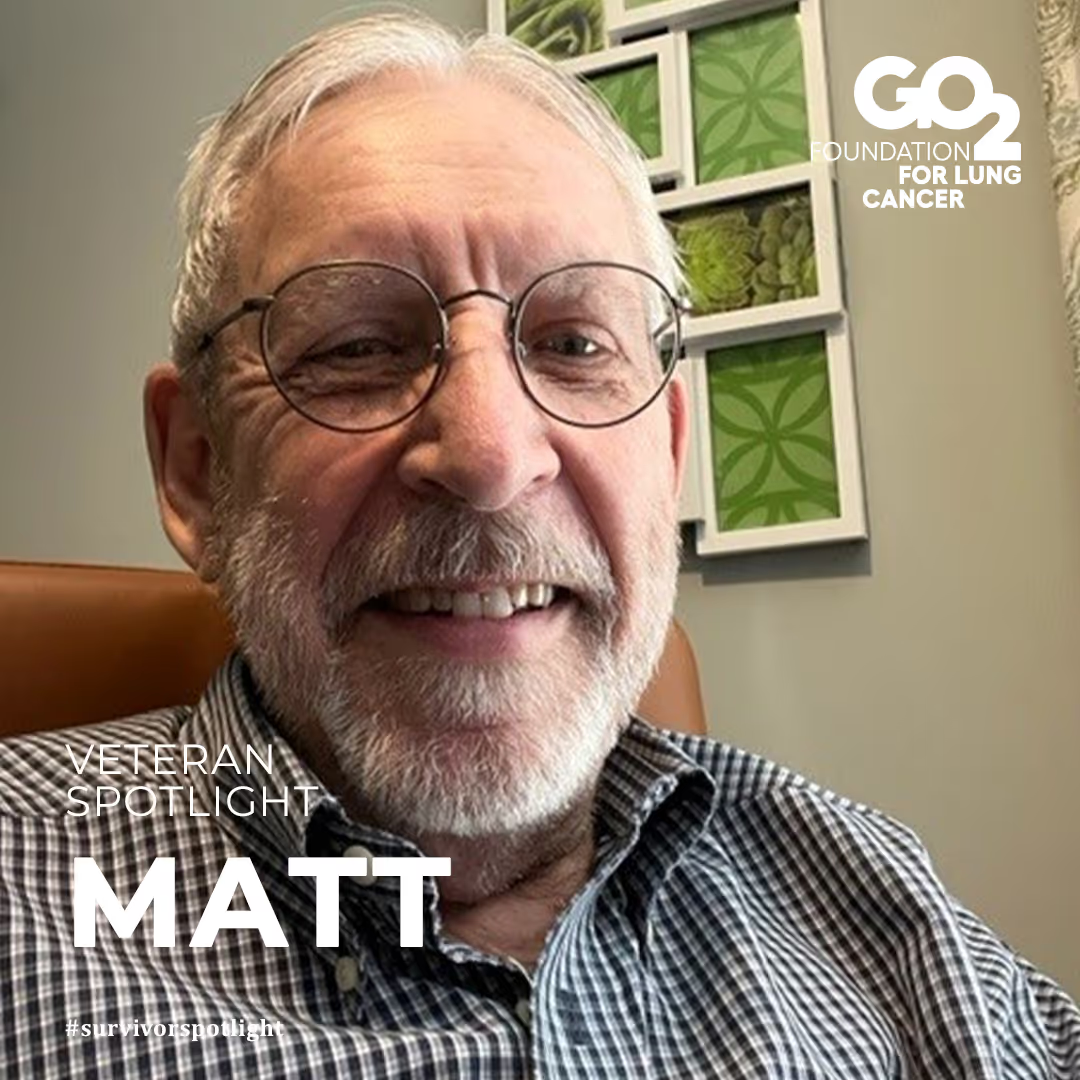
My name is Matt Peterson and I am a Vietnam veteran, father, and lung cancer survivor. After a single nodule was found in my lung in 2019, I was diagnosed with small cell lung cancer (SCLC). I was also diagnosed with diabetes. I’ve been through chemotherapy and immunotherapy, but after a while, they stopped working. Now I am getting radiation on the small amount of cancer that was seen on my last PET scan and all of my doctors are amazed by how well I am doing.Who I am now, and what I value, is very different than before my diagnosis. All of my relationships grew deeper, and people responded so differently than I thought they would. People came to visit from out of state, people called me, and the conversations were different. I learned that every day is an opportunity to live a better life. It’s not about the past. We are not living in the past, we are living today.I used to shut things out and take care of everything alone. I didn’t deal with any of my emotions because that’s the way I always managed things because of my PTSD. Since my diagnosis, I realized the most important things in life are family and friends. The constant love and care from my family and friends is getting me through this, has helped me to deal with all that is happening and has completely changed how I view life.My advice to someone newly diagnosed with lung cancer is to be open and welcoming to those who care about you. Your loved ones may need support, too. They may need to digest what is happening to you before they can be supportive.You will have to figure out how to live with cancer. Take one day at a time. Be positive, think positive thoughts, do positive things. I have moments when I feel discouraged, tired, and weary of treatment, but my choice is to live every day the best that I can. I may not feel as good as I would like, but I want to live the life that I have, not the life that I had.Learn everything you can about your disease and get the best medical team that you can. Get a second opinion from a lung specialist and look at all available options. Get someone to explain your diagnosis, data, and test results so you can best manage going forward. Ask yourself: what can I do and what is MY role? Don’t just surrender to your doctor. These decisions are yours.If you are a veteran diagnosed with lung cancer, you are not alone and we can help. Please contact our HelpLine at 1-800-298-2436 or support@go2.org. support@go2.org.
December 3, 2020
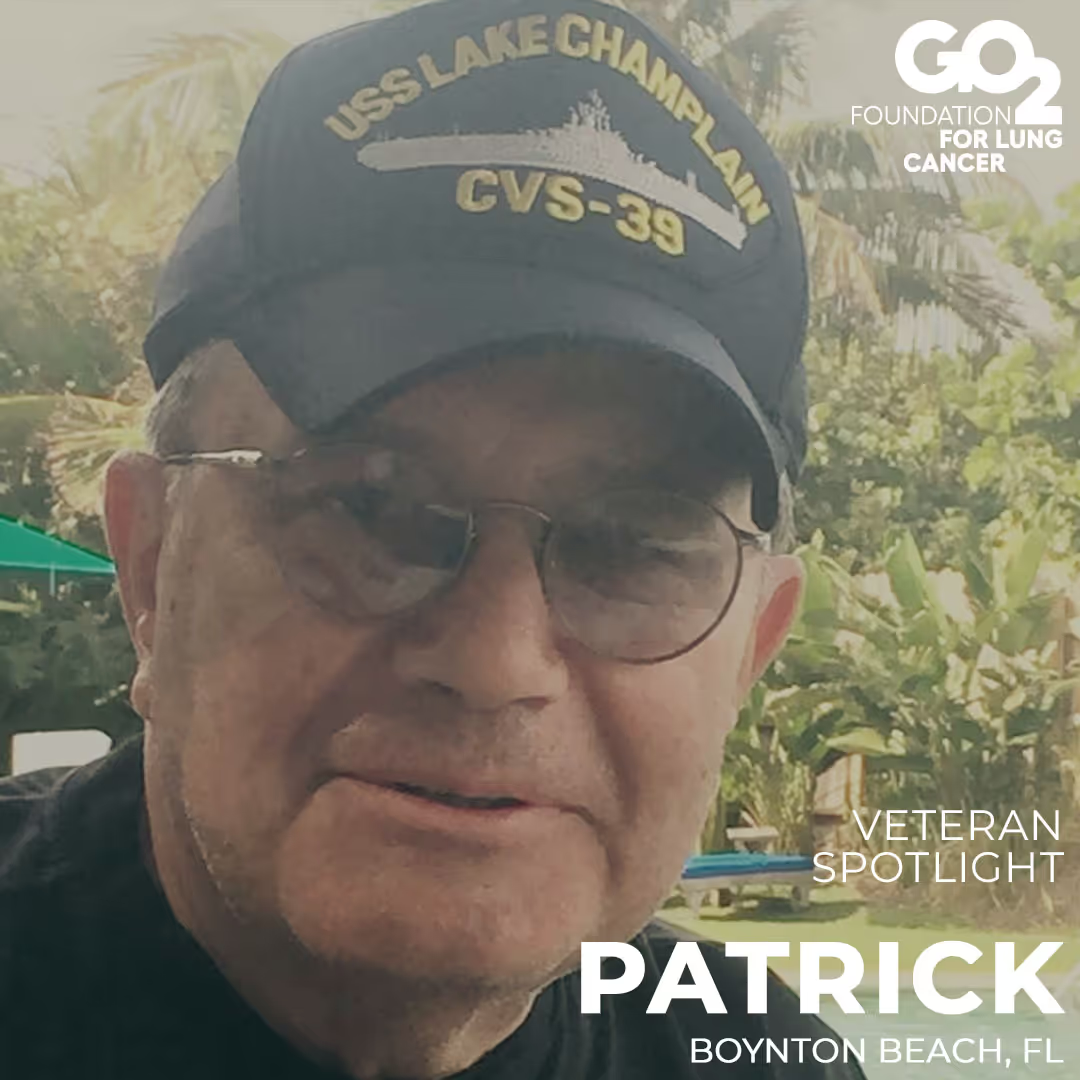
My name is Patrick and I am a US Navy Aircrew Veteran from 1959-1965, a member of Air Antisubmarine Warfare Squadron VS32, flying in Grumman S2F’s attached to the aircraft carrier USS Lake Champlain CVS 39. I never imagined that my journey in my golden years would be as alarming and life-threatening as my career in the Navy where I completed water survival training, flew backseat, and relied on the skills of the 25-year-old pilots during catapult takeoffs and tail hook landings on rolling pitching flight decks…many times at night!Fast forward to May 2020, at the height of the COVID-19 pandemic.I had no symptoms until I coughed up blood twice. I called my primary care physician who immediately arranged for a chest scan with contrast which revealed a lesion in my right lung, indicating the possibility of lung cancer. I met with a thoracic surgeon who arranged for a PET scan and lung biopsy which led to a RUL/RML lobectomy on June 9, 2020.I was diagnosed with stage 3A lung cancer with one compromised lymph node. It was suggested that chemotherapy treatment begin. Reminder: in July 2020, COVID-19 was spiking nationwide. In my home state of Florida cases were on the rise, while cases were declining in New York.I began my chemotherapy treatment on July 20, 2020 at Memorial Sloan Kettering in Manhattan. The third and last cycle was on September 11, 2020.My approach to the cancer treatment included extensive research in each linear and binary step during the entire process, while relying on my spiritual grounding to work through the multiple side effects.I found the experience of healthcare professionals to be of great value. They had more years and experience than the 25-year-old carrier pilots back in my Navy years. And of course, my wife, children, grandchildren, and friends were great anchors during the process. KUDOS!I am thankful for GO2 for Lung Cancer leadership and staff, along with the Phone Buddy program. My first session with my assigned Phone Buddy was of great value. As the journey continues, I am encouraged knowing that I should be feeling almost like my former self after 6 to 8 months.
November 19, 2020
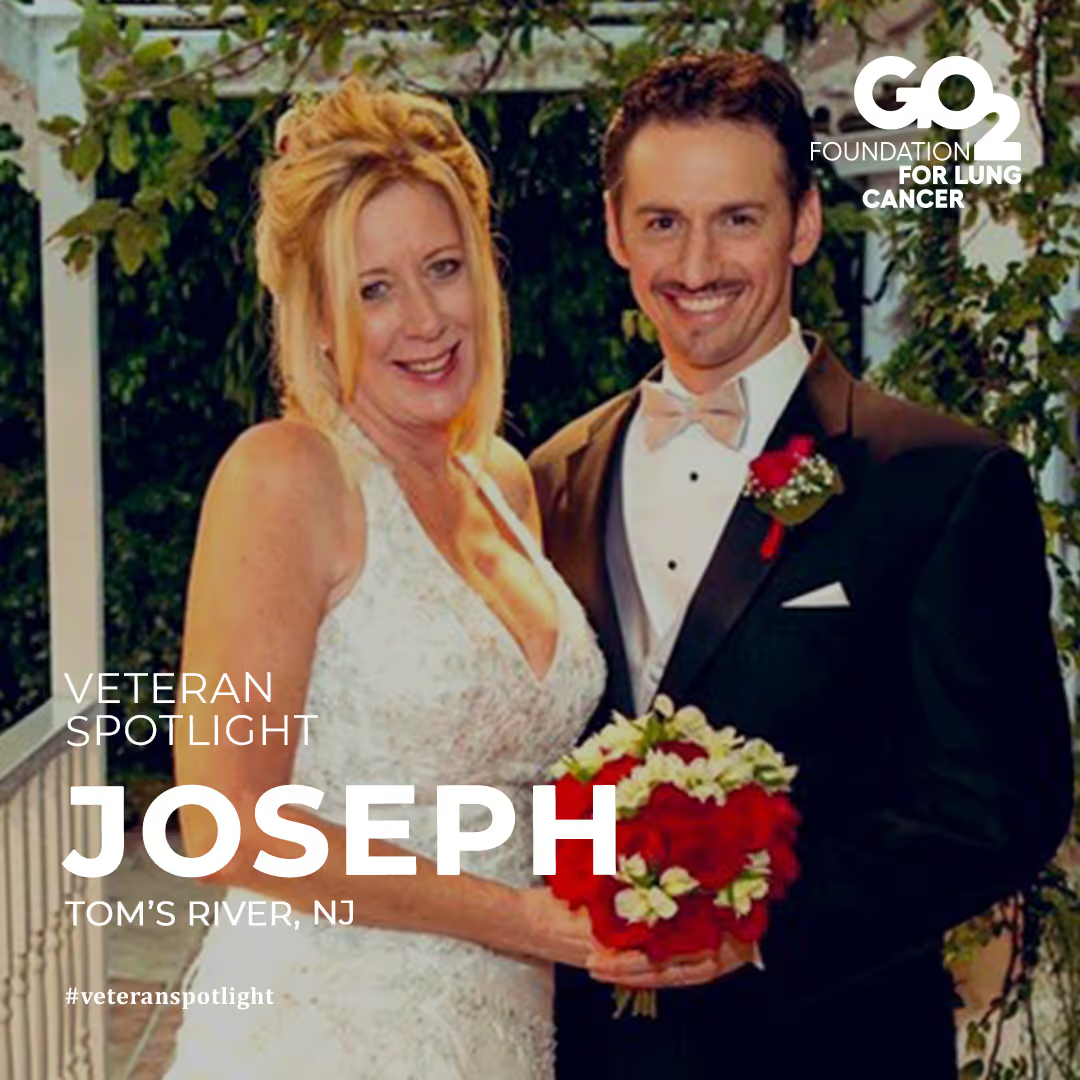
My name is Joseph and I am a Navy Veteran. My beautiful wife Kimberly had back pain that increased over a year which I would help her massage to relieve nightly. We mistakenly overlooked this as a minor issue until it became unbearable. At that point, we went to the ER. Kim’s diagnosis of stage 4 non-small cell lung cancer, which was sadly overlooked for years by many doctors, was given four days following Christmas in 2015.Our worlds changed. We were only beginning our lives as I was 42 and she was 53, married for six years together. I immediately stood up to become her caretaker and while I learned on the fly, this wasn’t easy for either of us, especially Kim. My wife fought hard until year four when I lost her.I continue to try my best to get through each day, thinking of Kim and what she would do and want me to do. When I have the strength, I try to advocate in her memory to help others. I attended GO2 for Lung Cancer’s Advocacy Summit to help raise awareness and advocate for vital lung cancer research funding. God bless lung cancer patients and caretakers.
November 10, 2020
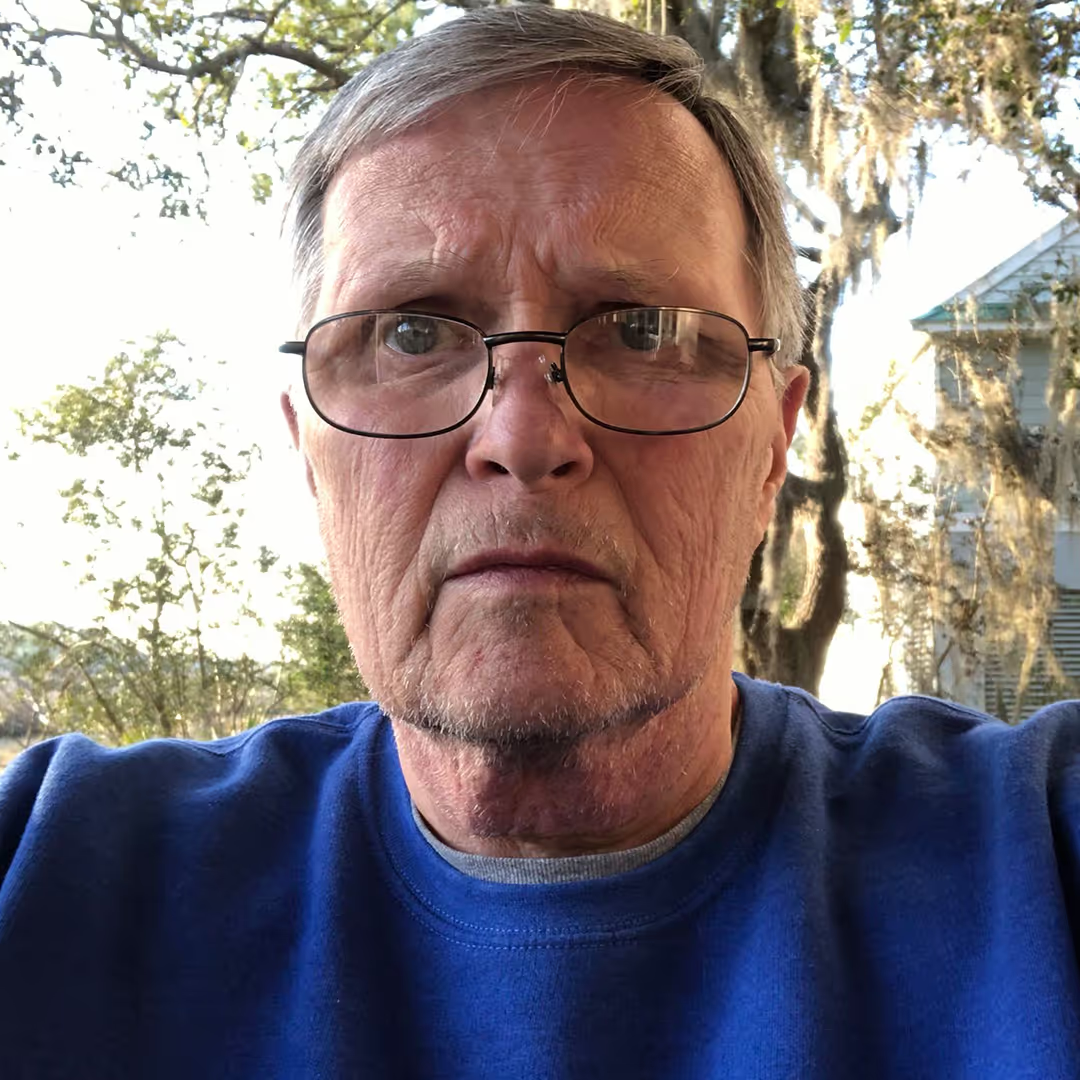
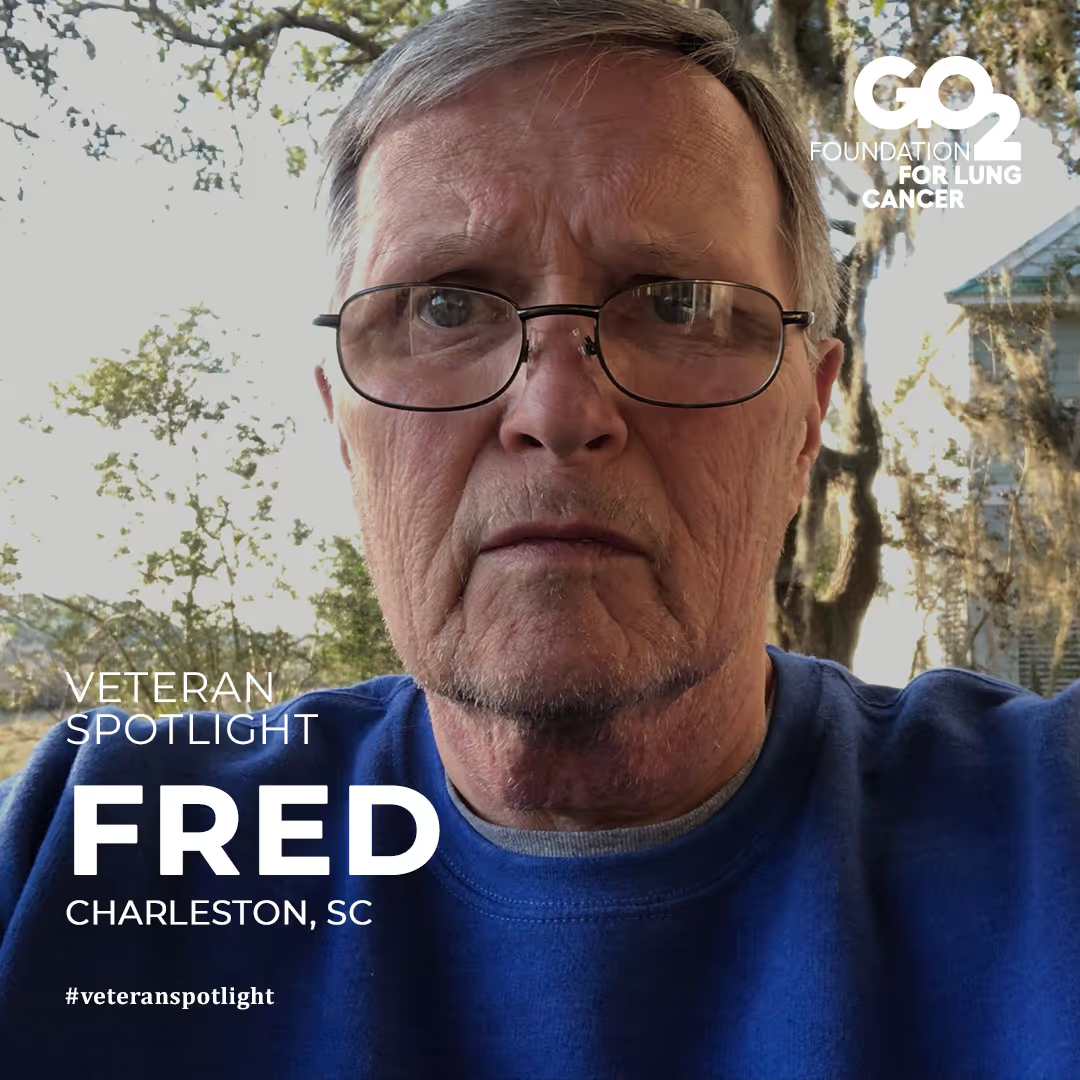
My name is Fred Rothaermel and I live in Charleston, South Carolina. In 1966 I enlisted in the United States Marine Corps, and soon enough found myself in Vietnam, where I spent three tours where I was exposed to “harmless” Agent Orange along with many of my Brothers. I was discharged in July 1970. In the following years I became father to two sons, both of whom have grown into fine men.Fast forward to late winter 2009. I had experienced a rash of colds and bronchial distress. I visited my doctor many times and each time was diagnosed as having a “cold.” The doctor was aware of my time in Vietnam, but never considered that it could have been a causative factor in my illnesses.My oldest son Ken was a Navy Commander stationed at the Pentagon at the time. He arranged for me to visit him in DC in early 2010. I was then experiencing worsening respiratory symptoms, which he definitely noticed. In fact, he called my wife Brenda and his younger brother Jason (an RN specializing in oncology at that time), and they all agreed something was “wrong.”After I returned home, my wife insisted that I keep an appointment for a series of chest X-rays which had finally been ordered by my doctor. At this point, I had also lost 30 pounds, was constantly tired, and had trouble breathing. The X-rays were bilateral, and the right side showed something that concerned the radiologist; he then called my doctor. Before I got back home, I was asked to return for a CT scan.On Monday, April 10, 2010, I underwent a bronchoscopy conducted by a personal friend who was head of the pulmonary division at the hospital. He told me, my wife, and my two closest friends that it appeared I had a Stage 3 NSCLC tumor on the medial line of my right lung. What a body slam. After lab results were received, it turned out to be Stage 3B and surgery was not considered an option.Back at my home hospital in Charleston, my medical oncologist and radiation oncologist established a treatment protocol of chemotherapy and radiation therapy. I completed the final phase of that in July 2010. I experienced the wave of physical illnesses caused by the chemo and radiation, and, just as bad if not worse, the emotional roller coaster I rode along with my friends and family.It’s been a little over 10 years now, and I’m still in “remission,” thanks to my Lord and my loving family and friends.I was fortunate to have been a part of the efforts of Lung Cancer Alliance, now GO2 for Lung Cancer, to encourage the VA to embrace low-dose CT screening that could save countless lives of veterans who have served our nation, especially those of us affected by Agent Orange-related diseases.All things considered, I can say there was never a time I gave up HOPE. To other patients; remember to always sustain your FAITH and believe YOU WILL SURVIVE. Cancer is but a speed bump on this highway of life.Veterans Day (November 11) is an important date during Lung Cancer Awareness Month. Men and women who served in the military, especially those who served in combat, are at higher risk of lung cancer than civilians. We are committed to ensuring that Veterans get the help, support, information, and access to care they need to detect the disease at early stages, improve quality of life, and advance research and advocacy efforts to save lives. Visit our website to find out more about Veterans and Lung Cancer and our partnership with the U.S. Department of Veterans Affairs.On Tuesday, November 17 from 5:30-6:30 PST, join us for the Lung Cancer Living Room episode on Hope, Resilience, and Camaraderie: Voices from Veterans. Tune in via Facebook Live or YouTube Live. Facebook Live or YouTube Live.
July 27, 2020

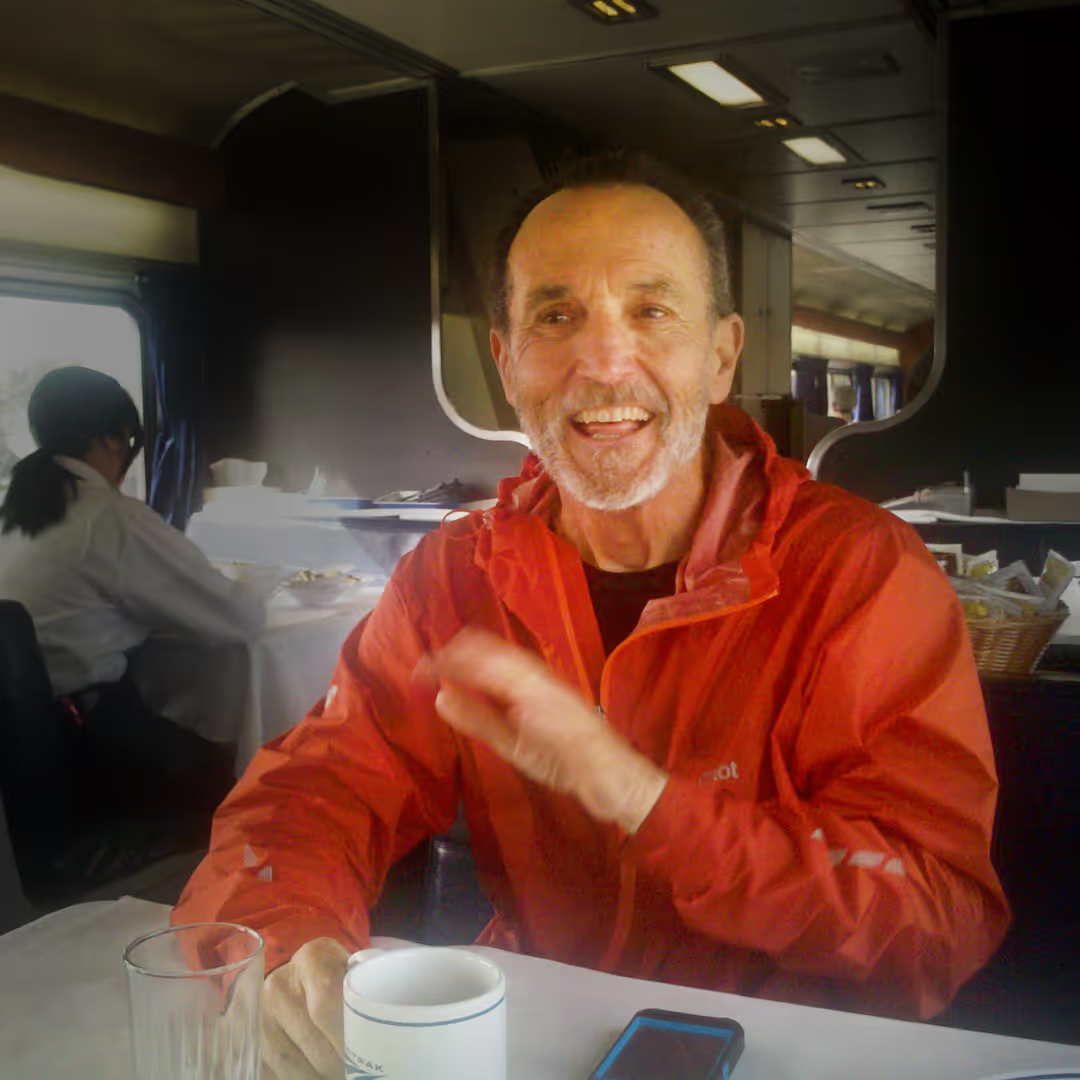
My name is John Casterline and I am a US Navy Veteran. I retired from the Navy in 1986 after 21 years then retired a second time from 7-Eleven in 2006 after 21 years. Just seven days later I was diagnosed with cancer. One week later I was told it was lung cancer and a week after that I was informed that it was stage IV. I was devastated, down and out, defeated.One week later my older son brought me out of my depressed state. He said, "this is not you. You are usually so positive, so ‘can do’." This truly woke me up and from that moment on, I fought the cancer with everything I had. I used meditation, guided fantasies, and during both chemo and radiation I imagined 10,000 miners picking away at the cancer and carrying it away in wheelbarrows. I began juicing 5 days a week and increased my exercising. I was 64 years old and I wanted to survive for several reasons, one of which was being a part in the lives of four lovely grandchildren.I came quickly to believe in five factors that I thought would help me survive:
- Choosing the right doctor. I spent significant time researching this and I didn’t just get a second opinion, I got four opinions. For my own mental wellbeing, I wanted to have total trust in the doctor I chose.
- Exercise. I was always physically active, but from the very beginning of my diagnosis, I increased the amount and number of days I worked out.
- Nutrition. After exercising, I would juice with a variety of fruits and vegetables. For breakfast, I almost always had a half pint of fresh, organic berries. Dinner frequently included a salad and another vegetable.
- Tarceva. I began taking this medication in early 2007 and still take it today. Fortunately, the doctor I chose was aware of the success of this fairly new drug and recommended it.
- PMA (Positive Mental Attitude). I think this is the most important factor and it's so much more than just being positive and optimistic. I didn’t just “walk the walk” and “talk the talk,” I truly believed that I would beat the cancer. Several days, I didn’t feel like exercising, but the PMA would “kick in” and tell me to get out that door and start walking. Many times, when I got back from exercising, I didn’t feel like juicing, but again the PMA would urge me to do the right thing.

After four years and feeling that the lung cancer was under control, I decided that I was going to hike the 2,650 mile Pacific Crest Trail, which begins at the border east of San Diego and ends at the Canadian border in Washington. I trained carrying 30-35 pounds up steps and ramps at a local parking garage for most of 2010. Then, in November 2010, I was diagnosed with prostate cancer and had surgery and radiation. The very next month, I was diagnosed with throat cancer and again had surgery and radiation. The radiation was complete in March and 42 days later at the age of 68, I began hiking the PCT.I wrote a book about this experience titled “Lung Cancer Hike: A Hike of Hope" which was about my defeating three cancers and hiking the Pacific Crest Trail (PCT) in an effort to raise awareness for lung cancer, raise funds for lung cancer research, and provide hope to many. All proceeds have been donated to fund lung cancer education, advocacy, and research.To learn more about John’s lung cancer journey and book, visit JohnBcasterline.com.
July 8, 2020
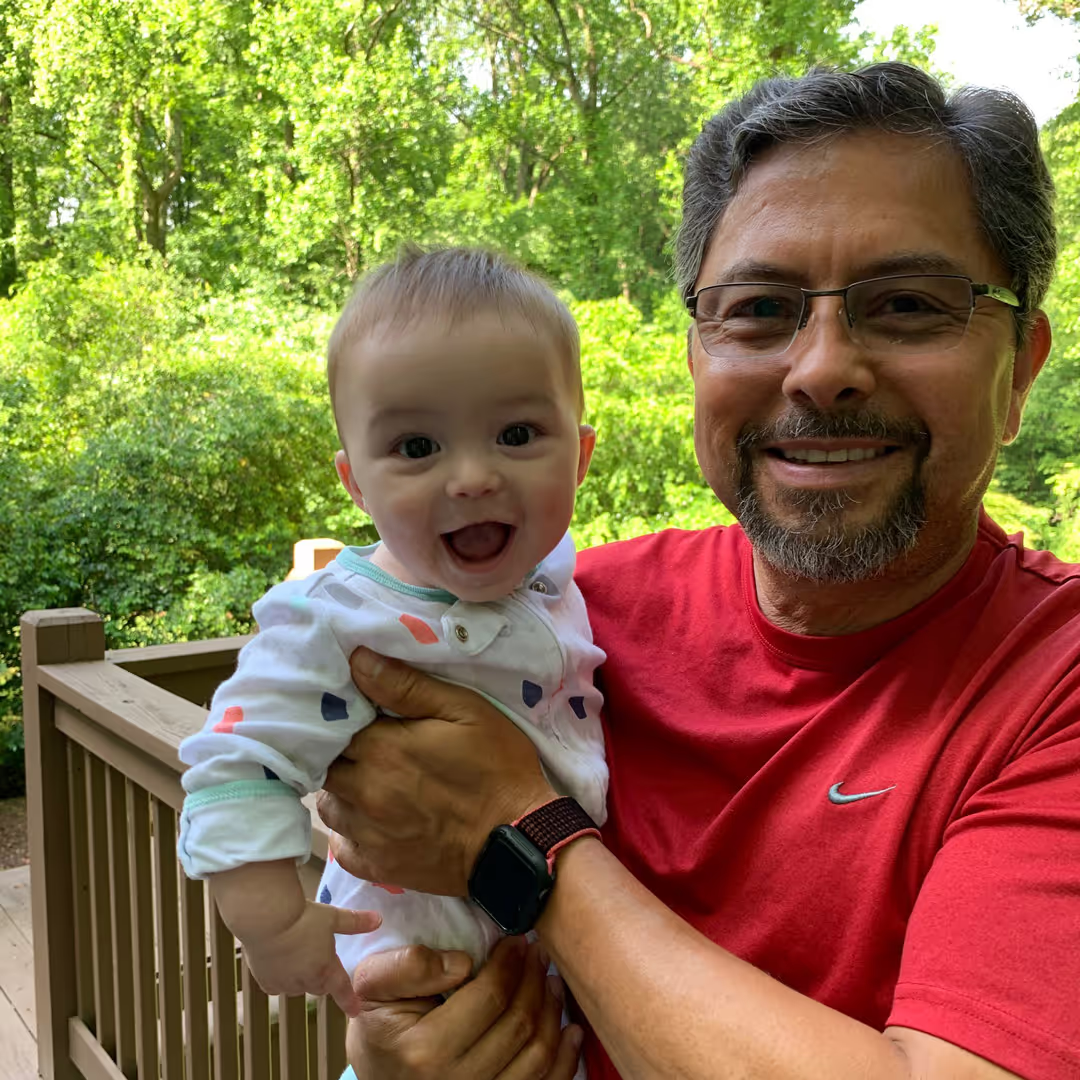
My name is Julio Sanchez, a "Soldier for Life" after proudly serving 28 years in the US Army as a sapper or combat engineer. I live in the Fort Benning (“The Home of the Infantry”) area of Columbus, Georgia. I retired in March 2007. I am married, have two beautiful grown children, and my first grandson was born in November 2019, the same time I was diagnosed with stage IV non-small cell lung cancer (NSCLC). The best and worst time in my life!The diagnosis was a devastating blow to my life as I knew it! I’m a non-smoker and had never been screened, so it was not even on my radar.Because I was very physically active throughout my life, running five miles a day and going to the gym three times a week, the persistent sharp pain in the right side of my back that I had for over eight months was misdiagnosed as a strained back muscle or rib cage. After experiencing some excruciating pain, I was finally screened for lung cancer. At that time, half my right lung pleura had filled with fluid, which was extracted with a large needle by a radiologist at Piedmont Hospital.I can imagine similar reactions to any cancer diagnosis, but I immediately felt like a "dead man walking" when I left my oncologist’s office. Why me? What did I do wrong? How long do I have to live?I had no clue what was ahead of me, but felt the odds were stacked against me. My doctor had stated I had a 50/50 chance of reacting favorably to the standard protocol treatment recommended for my diagnosis. The treatment consisted of four cycles of carboplatin, Keytruda, and Alimta. I recently received my ninth maintenance chemo treatment, administered every 21 days.
Waiting for the results of the first scheduled PET scan to verify if the prescribed protocol cocktail was working was the most nail-biting event I had in a very long time. It equaled my engagement in combat operations while fighting the war in Iraq and Afghanistan.Thank God the chemo protocol was working; the results of my first scan were very favorable, indicating about 85% of the cancer had disappeared. It was working for me, and I felt lucky for the first time since being diagnosed. I immediately cried in the doctor's office and hugged the air out of my wife who was also crying hysterically with me. I hugged the doctor in thanks for his medical care in helping improve my lung cancer diagnosis.I finally saw a sign of hope in possibly extending my "new life" with these modern wonder drugs. I know that research has helped others like me manage this dreaded disease, so I support increased research funding. Lung cancer, after all, has the highest death rate of all cancers, with an estimated 135,700 deaths in 2020.I feel so blessed and lucky TODAY to have access to medical treatment for lung cancer. It is helping me live longer and spend more time with my loved ones and friends! When I finally saw hope on my horizon, I decided to reach out to my local cancer center and the Veterans Administration (VA) to find organizations and support groups that could help me manage my diagnosis. Unfortunately, there are currently no lung cancer support groups within 100 miles of my area.I started hammering the internet, desperately searching for assistance. I was becoming a mental case without help specific to my diagnosis. One of the organizations I found comfort in talking to was GO2 for Lung Cancer, who provided me with a lot of great information. They then followed-up on my condition and answered all my questions.
Access Health's "Living with Non-small Cell Lung Cancer" special, featuring Julio.
GO2 for Lung Cancer also linked me up with a “battle buddy” [Phone Buddy] who is fighting the same enemy, but with two years of experience ahead of me. That personal connection helped me immensely because he was already in the same foxhole engaging the lung cancer opponent I was facing!
Veterans have a higher incident rate than the regular population because of their environmental and hazardous exposures during tours of duty. Unless you’re a longtime smoker and over a specific age, there is no recommended early testing. There are more than 7,000 vets diagnosed annually with lung cancer and most are in the late stages of the disease when they finally demonstrate symptoms.We need increased awareness about lung cancer screening options and improved outcomes for all Veterans impacted by lung cancer.I am sharing my lung cancer experience to “pay it forward” by providing support, advice, lessons learned, and resources to fight our lung cancer battle. I strongly believe early screening protocols by the VA will save thousands of lives each year.I personally thank everyone involved in lung cancer research, prevention, and treatment who are devoted to improving screening and treatments protocols to help American Vets, like me, live longer! More research and more screening will support military mission readiness and protect our men and women who serve and the millions who are impacted by lung cancer.Find out more about Veterans and lung cancer on our Veterans-specific webpages, where you can also read about our new partnership with the VA.