Non-Small Cell Lung Cancer
Non-small cell lung cancer (NSCLC) is the most common type of lung cancer, affecting approximately 85 out of every 100 lung cancers (85%).

A tool for biomarker testing that can sequence (analyze) large amounts of genes quickly and accurately to see if there are any mutations or changes in cells
Gives a detailed view of the body to see the areas affected by cancer
A method of brain radiation that uses a very low dose of radiation on the entire brain to treat cancer that is too small to be seen
A type of surgery in which a small wedge-shaped piece of the lung is removed
Includes blood vessels, arteries, veins, and capillaries
Describes either the outer edge of the nodule or tumor or the outer edges of a section of tissue after surgery
A part of cancer diagnosis that describes how similar or different cancer cells look to healthy cells
A type of lung cancer that begins as NSCLC and then later changes or transforms into SCLC
A type of clinical trial that finds new drugs, treatments, and procedures to treat lung cancer
The tube that brings air from the mouth into the lungs
A method of maintaining the use of chemotherapy but using one that is different from the one used in the first line of treatment
A small sample of tissue placed in wax to prepare it for further testing
Thoracentesis is used for therapeutic and diagnostic purposes. most commonly used in cancer care to therapeutically to remove pleural fluid that's accumulating in the pleural space and impinging on the lungs
A lobe or section of the brain that controls memory, speech, and hearing
A type of cancer treatment given by a pill or through a vein that works by attacking a “target” on cancer cells called a biomarker
Types of cancer treatment that work through the whole body at the same time
A type of clinical trial that finds new treatments to decrease the symptoms and side effects of lung cancer
"A health effect that cannot be seen by someone else but must be described by the person; for example, a headache is a symptom"
A type of radiation treatment that treats one small part of the brain or body with a very high dose of radiation using many small radiation beams
Make up the connective tissue of a gland or organ
A test that examines one or a small set of cancer-related genes
Used to color tissue to help pathologists better see and examine cells
Precancerous lesion (or spot) that may lead to squamous cell carcinoma
One of the most common types of NCSLC
A health professional who is highly trained in one special area of medicine
A nurse who is highly trained in one special area of medicine
A doctor who is highly trained in one special area of medicine, surgery, or radiation
"A health effect that can be seen by someone else; for example, a rash is a sign"
A piece of the lung is removed that is larger than a wedge resection but smaller than an entire lobe
An unwanted effect of a drug or treatment
Making an appointment with a different cancer specialist to hear what that person feels is the best treatment for you
Treatment that is given when the initial treatment (first-line therapy ) is no longer working or stopped for other reasons
A type of clinical trial that develops new and better ways to detect lung cancer
Tests (such as an x-ray, CT, MRI, PET) that give a detailed picture of the body to see the areas affected by cancer
A type of cancer that begins in the tissues all over the body and can also be found in the lung or bones
A type of bronchoscopy that uses a robotic controller, like a video game, to guide a small tube through the mouth and into the hard-to- reach areas of the lung
Something that increases the chance of a disease occurring such as being exposed to a toxin
A substance that puts out a very small amount of radiation that cancer cells absorb and makes them easier to see with some scans
A type of cancer treatment that uses high-energy x-ray beams to kill tumors
A blood clot that travels through the bloodstream into the lung
A type of brain radiation treatment is sometimes used to decrease the risk of cancer spreading to the brain
The first tumor where cancer began to grow
A type of clinical trial that explores how to prevent lung cancer
A type of surgery where the entire lung is removed
Cancer cells are found at the edge of the tissue, suggesting that all of the cancer has not been removed
An infection that can cause fluid or pus in the lung(s)
Intravenous line (IV): Soft, flexible tube placed inside a vein to take out blood or fluid or to give medicine or fluid
A treatment for pleural effusion that seals the tissue layers that surround the lungs to stop fluid from collecting
A diagnosis of fluid collecting in the tissue layers that surround the lungs
The space between the two (visceral and parietal) linings of the lung and thoracic cavity
Lining that surrounds the lungs
Able to change shape or form
Tiny fragments of cells in the blood that clot and help stop bleeding
A doctor who specializes in diagnosing disease by examining tissue or body fluids
A lobe or section of the brain that processes our body’s senses
Make up the functioning tissue of a gland or organ
A group of services that help to prevent and/or relieve the side effects of cancer and cancer treatment with the goal to improve quality of life
A group of symptoms that occur as a result of cancer but are not directly related to the cancer cells and often involve the hormone system and/or neurological system
A subtype of adenocarcinoma
A lobe or section of the brain that allows us to understand what we see
A feeling of numbness or tingling pain, usually in the hands and/or feet
A cancer treatment that is given before surgery
Abnormal cell growth that can be benign (not cancer) or malignant (cancer)
No cancer cells are found in the edges of tissue removed during surgery, suggesting that all of the cancer has been removed
Cell death from injury, toxins, or infections
A change or damage that happens inside a cell that makes it unhealthy
Filled with mucus-like material (see also non-mucinous)
Uses a series of small incisions to allow insertion of a video camera and small instruments for removing cancerous tissue
A term that means cancer has spread from its initial spot to other organs or bones
A diagnostic test that uses a tube with a camera, called a mediastinoscope, to see inside the chest and around the outside of the lungs
A type of cancer that affects the lung
A term that means cancer
Groups of small pea-sized lymph nodes that clean the waste out of the fluid that passes through them
Spread of cancer to the blood vessels and/or lymphatic system
A type of surgery that removes several lymph nodes around a tumor to see if cancer cells are inside of them
Pea-sized part of the body’s lymph system whose job it is to clean the waste out of the fluid that passes through them
A buildup of fluid that causes swelling and can occur if you’ve had surgery and lymph nodes were removed
Cancer cells look a lot like normal cells and tend to grow and spread slower
Cancer treatments that remove or destroy cancer in a small area of the body
Cancer cells that look a lot like normal cells and tend to grow and spread slowly
A type of surgery that removes an entire lobe of the lung
Sections of the lung
Written instructions that inform family and healthcare team members what treatments you want and don’t want when end-of-life is near
A method of biopsy or biomarker testing that uses a blood sample rather than a tissue sample from a tumor to examine cancer cells
Cancer has spread beyond the layer of tissue in which it started and is growing into surrounding areas of tissue
One of the 3 most common types of NSCLC
The practice of using usual treatments along with complementary therapies
A group of people who make sure a clinical trial is safe and is being managed properly
Abnormal cells are found only in the place where they first formed and have not spread
The inability to conceive
The process of learning the details about a clinical trial to help you decide if you would like to join the study
The system within the body that recognizes and fights foreign cells and disease.
A type of cancer treatment that helps the body’s own immune system fight cancer
Increased cell production in normal tissue or an organ, which can be a sign of changes that happen before cancer develops
A group of services that are provided when an illness cannot be cured
Structure of the cells under the microscope
Cancer cells look very different than normal cells and tend to grow and spread faster
A protein in red blood cells that helps transport oxygen to other tissues in the body
Inflammation in tissue, usually due to infection
A person you choose to make healthcare choices for you if you are not able to make them for yourself
A part of a cell that helps make the structure and function of the body
A lobe or section of the brain that controls our emotions and skills such as intelligence, reasoning, behavior, memory, sexual urges, and personality and helps with talking
The first treatment given for a disease or condition
A biopsy procedure that uses a small needle to remove cells from the tumor or area where cancer may be located to help with diagnosis
Surgery to remove
tube that carries food and liquid from your mouth to your stomach
An injection in the back to control pain
Cells in the body that put out hormones
A type of bronchoscopy test that uses electromagnetic energy and tiny instruments to steer a small tube through the mouth and into the lungs
A type of bronchoscopy test that uses a robotic controller, like a video game, that makes it easy to guide a small tube through the mouth and into the lungs into hard-to-reach areas
When 2 genes inside a cell stick together and create a new cancer-causing gene
The presence of abnormal (atypical) cells
A decision in writing that tells your healthcare team and family of your choices about getting help with restarting the heart if end-of-life is near
A “map” inside our cells that tells the cells what to do
A decision in writing that tells your healthcare team and family of your choices about getting help with breathing if end-of-life is near
How close the cancer cells look to normal cells
A blood clot that forms in a deep vein of the leg
A type of clinical trial that develops better tests for diagnosing lung cancer
When the body loses too much water and other fluids that it needs to work normally
The study of a single cell or small group of cells
An opening in the skull made during surgery to reach the brain
A biopsy procedure that uses a needle to remove a small piece of tissue from the tumor or area where cancer may be located
Infrequent bowel movements that are hard, dry, and/or not easy to pass
A method of using chemotherapy that continues using at least one of the drugs that were received during the first line of treatment
A test that uses cancer tissue or a blood sample (liquid biopsy) to look for all known mutations or changes in cancer cells at one time
A blood test that measures many types of blood cells
Treatments or therapies used along with usual cancer treatments and can include a mind-body approach or diet supplements
Two or more cancer treatments given at the same time
A combination of chemotherapy drugs that make up a treatment
Research studies that test a new drug or blend of drugs, procedure, or medical device to find our if it is safe and effective
A type of immunotherapy that works by blocking the immune cells from attaching to cancer cells
A type of cancer treatment that kills fast-growing and dividing cells
An area of the brain that helps our muscles work together so that we move smoothly
The number, size, and shape of the cells and how they look
The tiniest basic building blocks that make up your body
The number of cells in a sample
Cancer that begins in tissues that line or cover organs in the body
A type of cancer that can affect the lung that usually begins in the endocrine (hormone) cells and grows slowly
Medical term used to describe ongoing weight loss, muscle wasting, loss of appetite, and extreme fatigue (tiredness) that sometimes occurs in people with late-stage cancer
A procedure that places a flexible tube through the nose or mouth and into the tubes of the lungs to help diagnose lung cancer
Smaller air tubes that branch off from the larger air tubes (bronchi) inside each lung
The 2 main air tubes that branch off from the windpipe (trachea) and enter each lung
An imaging test that checks for cancer spread to the bones
Tissue inside the bone where blood cells are made
A test that looks for the type of changes or mutations inside cancer cells for the purpose of finding the best treatment
Protective barrier or “shield” that stops some substances from going into brain tissue
Mutations or changes inside cancer cells that make them different from healthy cells
A test or procedure that confirms cancer is or is not present and shows the exact type of cancer
A type of care meant for people who are grieving that can help identify feelings and work through emotions
A term that means not cancer
A type of bronchoscopy that uses a special light to make cancer or pre-cancer tissue appear in a different color than other tissue
Pre-cancerous lesion (or spot)
Not normal
Protein made by the immune system when foreign substances are found in the body
Cancer has spread to the lymph vessels or blood vessels
One of the most common types of non-small cell lung cancer
Treatments or therapies used instead of the usual, recommended treatment your cancer center offers
A formal, written plan that lets others know your future choices for healthcare and end-of-life care
Tiny air sacs at the end of each of the smallest air tubes in the lungs that bring oxygen into the bloodstream
A cancer treatment that is given after surgery
Non-small cell lung cancer (NSCLC) is the most common type of lung cancer, affecting approximately 85 out of every 100 lung cancers (85%).
For every 100 people diagnosed with NSCLC, 40 will be diagnosed with adenocarcinoma, 25 with squamous cell carcinoma, 10 with large cell carcinoma, and the remaining with other less common types.
The 3 most common subtypes of non-small cell lung cancer include:
It's important to know lung cancer’s signs and symptoms. A sign is something that can be seen or heard by someone else; for example, wheezing is a sign. A symptom is something that cannot be seen by someone else but must be described by the person; for example, a headache is a symptom. Early lung cancer may not have any signs or symptoms. As lung cancer progresses, signs and symptoms may develop.
Possible signs and symptoms of lung cancer may include:
These signs and symptoms can also result from other diseases and conditions, not just lung cancer. However, if you experience several of them, see your healthcare team right away.
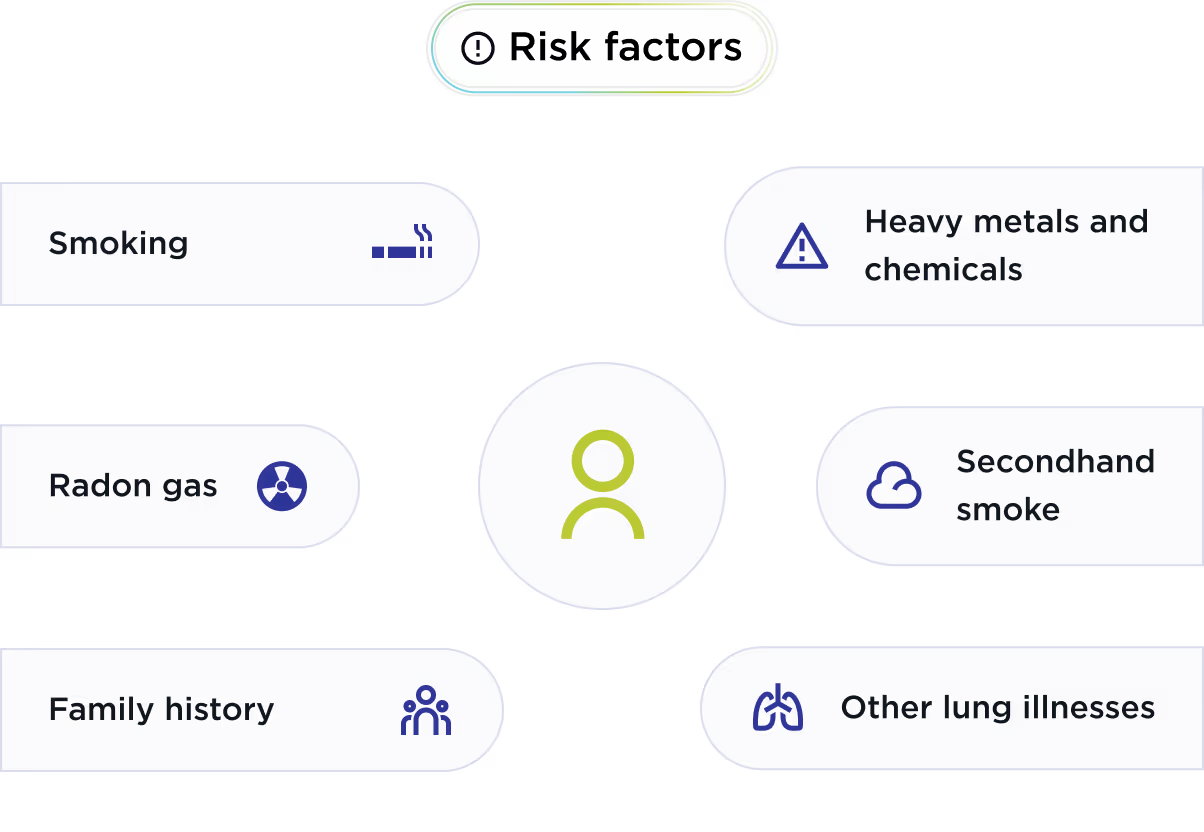
Some causes of lung cancer—both non-small cell and small cell—are well known. Others continue to be studied. A risk factor is something that increases the chance of a disease occurring.
Known risk factors for lung cancer include:
Diagnosing non-small cell lung cancer involves several steps and types of tests to confirm the presence of cancer and determine its stage.
Common diagnostic tests include:
Your healthcare team will likely start with scans to get pictures of your lungs. Based on the results of your scans, liquid or tissue samples may be taken and examined under a microscope by a pathologist. This process is called a biopsy, and it confirms whether cancer cells are present and determines the specific type.
Stages of lung cancer are used to describe the size of the primary tumor (the first tumor) and where cancer may have spread, including lymph nodes or other organs. Your healthcare team uses multiple tests, including your scans and biopsy results, to determine the stage.
The most common staging system uses a number (1, 2, 3, or 4) or numbers and letters combined (1A1, 2B, 4A, etc.). In this type of staging, a higher number means the cancer is more advanced and the letter provides more detail within each stage.
Understanding the stage of lung cancer is very important because it helps your healthcare team determine the best treatment options for you.

Non-small cell lung cancer treatment options can include surgery, radiation therapy, immunotherapy, chemotherapy, targeted therapy, or a combination of these, along with palliative care and clinical trials.
Once detailed information is gathered from your biopsy and other medical tests, your healthcare team will discuss treatment options with you. Examples of information used to determine your best treatment plan include:


If you’re diagnosed with NSCLC, it’s vital to ask your healthcare team for comprehensive biomarker testing. Biomarkers are specific changes or mutations in cancer cells that make them different from healthy cells and drive them to grow and spread.
Biomarker testing determines whether the cancer cells have known “actionable” or “targetable” biomarkers. Having an actionable biomarker means certain treatments, like targeted therapy or immunotherapy, are more likely to work well for your specific type of lung cancer. If your results do not show an actionable biomarker, other lung cancer treatments or clinical trials may be an option.

There’s no right or wrong way to cope with lung cancer—and no one can tell you how you should feel or react. People handle a lung cancer diagnosis in different ways. Some seek out all the information they can find. Others prefer to get their information from a few select sources. Sometimes people seek emotional support, while others turn inward. You may also have practical matters to manage, including insurance coverage, access to care, and financial issues.
As you begin to move forward after your diagnosis, remember that you are not alone. Talk to your healthcare team about resources.
The questions you ask your healthcare team can play a vital role in understanding and managing your diagnosis. If you are newly diagnosed with NSCLC, some examples of questions you may want to ask include:
How does the type of cancer I have affect my treatment options?
What is my stage of lung cancer?
How does the stage affect my treatment options?
Has cancer spread to other parts of my body? Which parts?
Will I need more tests before deciding what treatments are best for me?
Should I seek a second opinion?
Have I had comprehensive biomarker testing?
As you learn more about NSCLC and your treatment options, it’s important to ask questions so you can stay informed and play an active role in decision-making. Review a full list of questions to ask your healthcare team to help you prepare for visits.
Support options and resources include:


Where can I find more resources and support?
Contact the GO2 HelpLine at 1-800-298-2436 or email support@go2.org to connect with caring and highly trained staff who listen, answer your questions, and provide support. We offer many free programs and educational resources to meet your needs.
What is palliative care and how could it help me?
Palliative care specialists help prevent and ease the symptoms and side effects of lung cancer and its treatments.
They work very closely with members of your healthcare team to:
Studies show that people with lung cancer who begin ongoing palliative care early in their treatment have an improved quality of life and may live longer.
How can I find a clinical trial for non-small cell lung cancer?
There are a few ways to explore clinical trials to find one that may be right for you.
What does my non-small cell lung cancer biomarker type mean?
Biomarkers are specific changes or mutations in cancer cells that make them different from healthy cells. These changes drive how cancer cells grow and spread.
What are lung cancer screening guidelines?
Lung cancer screening guidelines and guidelines is set by the US Preventive Services Task Force (USPSTF). The USPSTF recommends annual screening for lung cancer in adults aged 50 to 80 years who have a 20-pack-year smoking history and currently smoke or have quit within the past 15 years. If you have Medicare, their guidelines are slightly different. Medicare covers up to age 77 rather than 80.
There are several types of biomarkers. Having an actionable biomarker means certain treatments, like targeted therapy or immunotherapy, are more likely to work well for your specific type of lung cancer. If your results do not show an actionable biomarker, other lung cancer treatments or clinical trials may be an option. Knowing which biomarkers you have guides your healthcare team to the best treatment for you.
Where does non-small cell lung typically spread to?
Non-small cell lung cancer (NSCLC) tends to spread to the lymph nodes, bones, adrenal glands, liver, and brain. When lung cancer spreads outside of the lungs to other areas of the body, this is called metastasis or mets. Treatments such as chemotherapy, immunotherapy, and/or radiation therapy are commonly used to treat mets in the body.
Why should I think about getting a second opinion?
Seeking a second opinion when you are diagnosed, during treatment, or survivorship allows you to be more informed of your options. Reasons to get second opinion include: