




What is lung cancer screening?
Cancer screening is a test to check for disease in people who do not have any symptoms. Some examples of cancer screening include mammograms for breast cancer and colonoscopies for colorectal cancer. The goal of screening is to find cancer early when it is more treatable and even curable.
A lung cancer screening uses a low-dose CT (LDCT) scan and is quick and painless. This is the only proven method to screen for lung cancer.
If you believe you are at risk for lung cancer, talk to your healthcare team to see if an LDCT scan is right for you.
Pack year calculator
Use our simple pack year calculator tool to find your pack year history. If you meet criteria, talk to your healthcare team and find a GO2-designated Center of Excellence in Screening near you.
Lung cancer screening is covered at no cost by most private insurance plans. See below for insurance and Medicare coverage information.
Use this simple tool to calculate your pack years
Lung cancer screening guidelines and criteria (USPSTF)
Lung cancer screening with a low-dose CT scan is the only proven method to detect cancer early—when it is most treatable and sometimes curable. We know this because researchers have been studying lung cancer screening by low-dose CT scans for many years. Survival rates more than double when lung cancer is caught early.
The U.S. Preventive Services Task Force (USPSTF) is made up of volunteer national experts who use scientific research to make national guidelines for preventive services, like cancer screenings.
The USPSTF recommends annual lung cancer screening for people who are:
- Adults aged 50-80 years, and*
- Those with a 20-pack-year smoking history, AND
- People who currently smoke or quit in the last 15 years
*Medicare covers ages 50 to 77
Low-dose CT (LDCT) lung cancer screening

What to expect
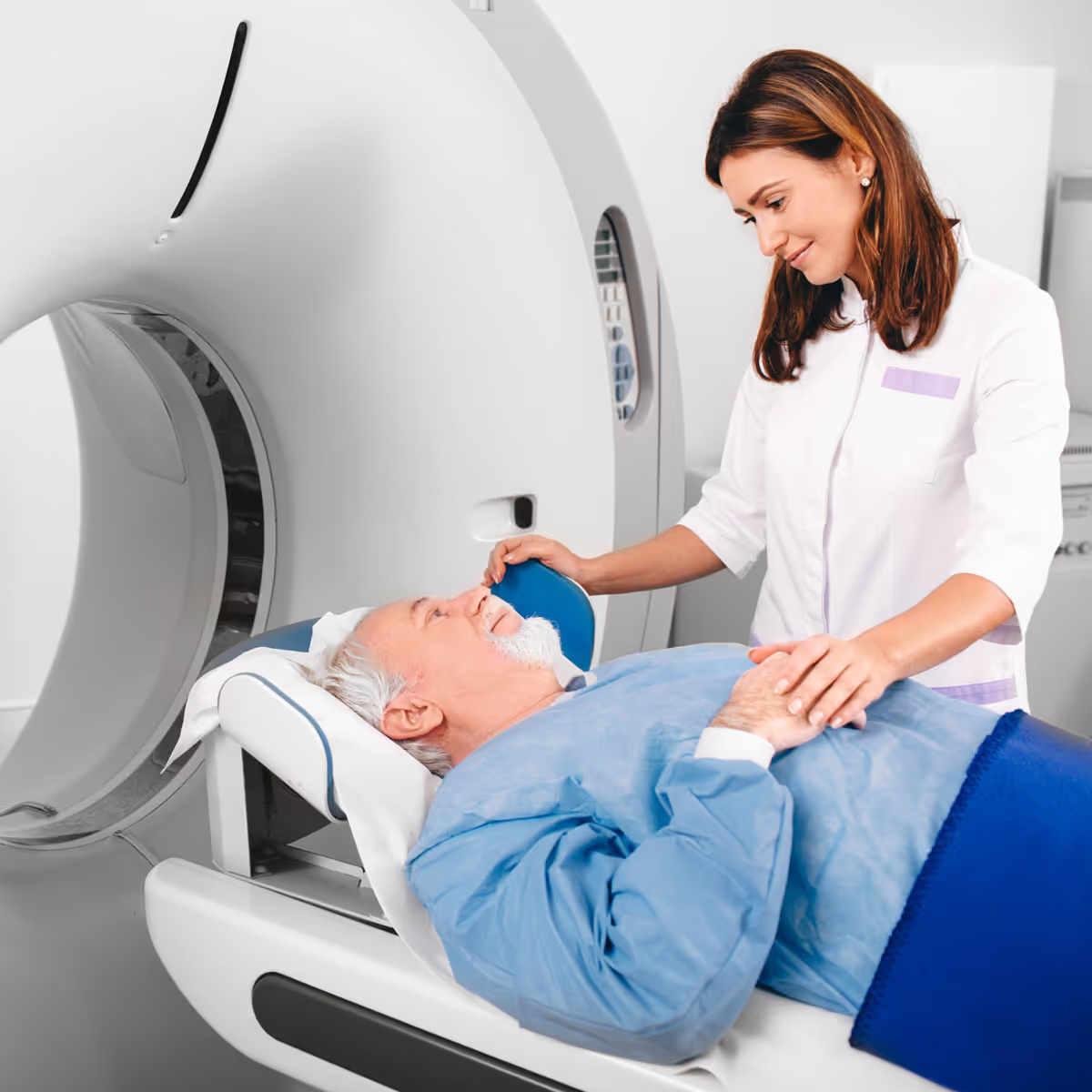
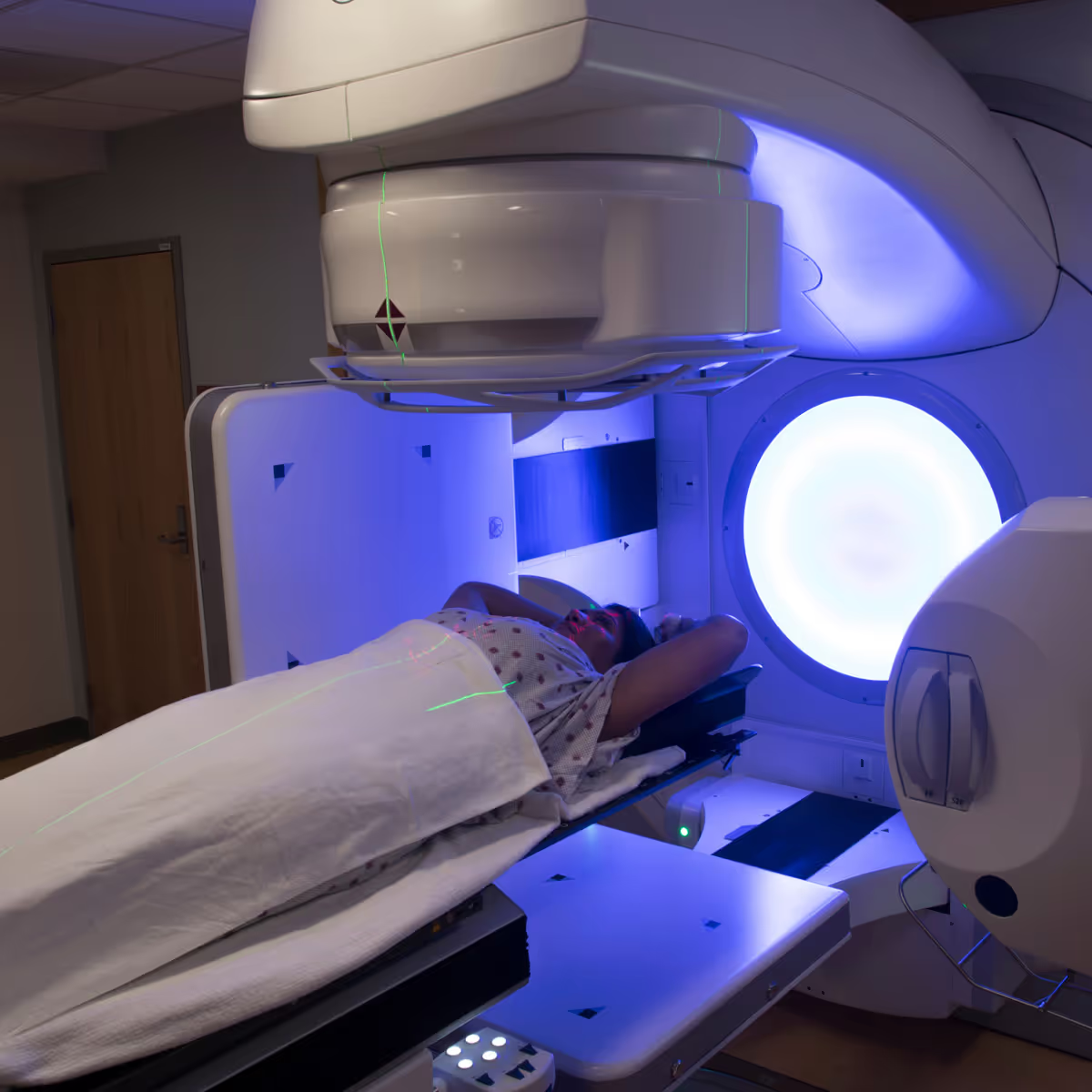
LDCT lung cancer screening is a simple, quick, and painless test for lung cancer. It requires no needles or dye, and you will remain fully clothed. In addition, there is no need to limit eating or drinking before the test. The entire appointment will only take about 10 minutes, while the actual scan takes about 1 minute.
How low-dose CT scans detects lung cancer
When you go in for an LDCT scan, a machine called a CT scanner will take 3D X-ray pictures of your lungs using a small amount of radiation. The radiation level is higher than a chest X-ray but much lower than other types of CT scans. Unlike a chest X-ray, which can detect some tumors, a low-dose CT scan is far more detailed. It can see spots on the lung as small as a grain of rice, and detect cancer at its earliest, most curable stage.
What happens after a scan
A radiologist with experience reading LDCT scans is the best person to read and report on your scan results. Once your results are in, your primary care provider will share the results with you.
• If a spot is found on your LDCT scan, follow up with your healthcare team for more testing and a plan for the next steps in your care.
• If your LDCT scan is normal, go ahead and make your appointment for next year.
Sometimes, more testing is needed after an LDCT scan to gather additional information. Tests could include a follow-up LDCT scan to see if a spot on the lung has changed over time. In some cases, a cancer test known as a biopsy is needed to know if a spot on the lung is cancer.
Lung nodules
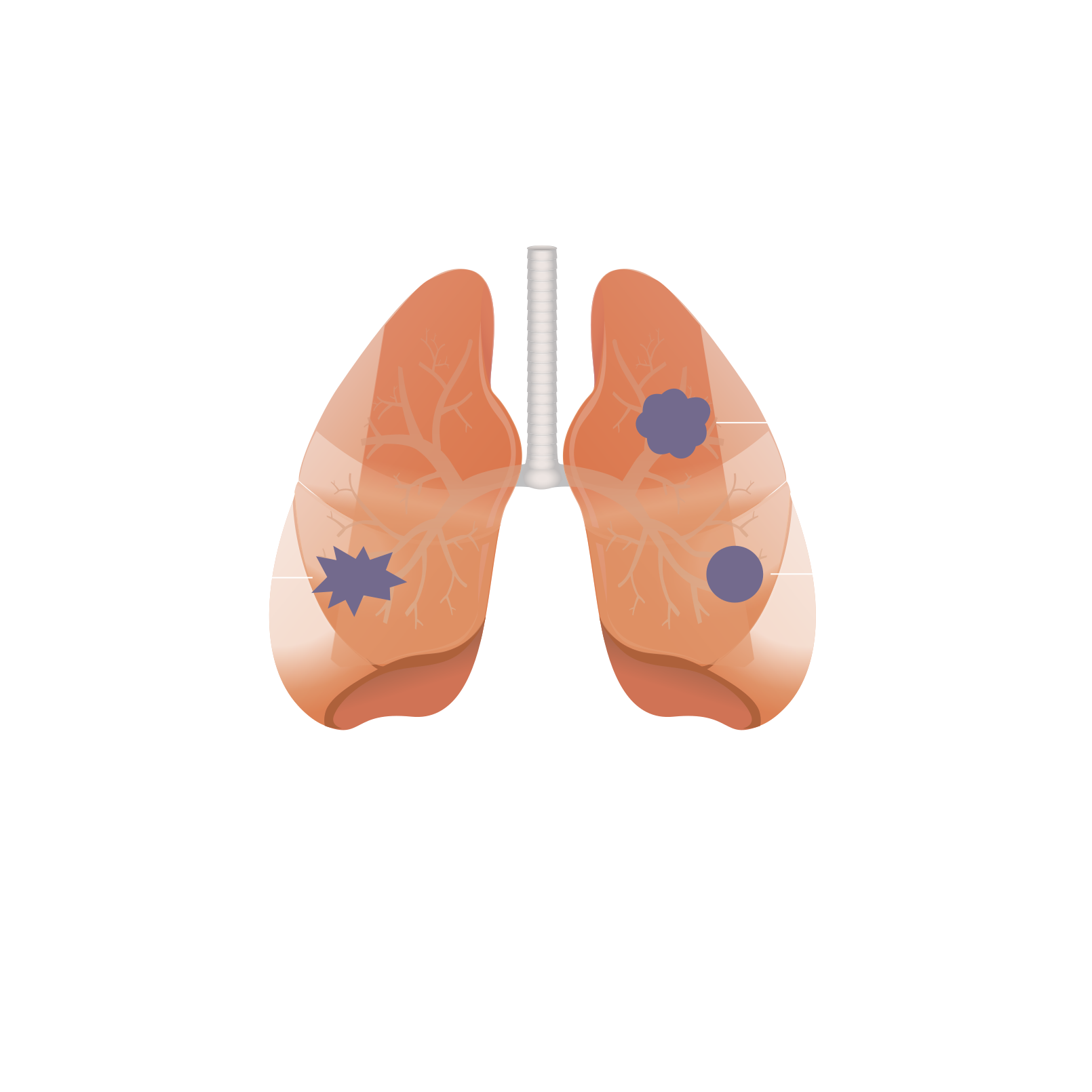
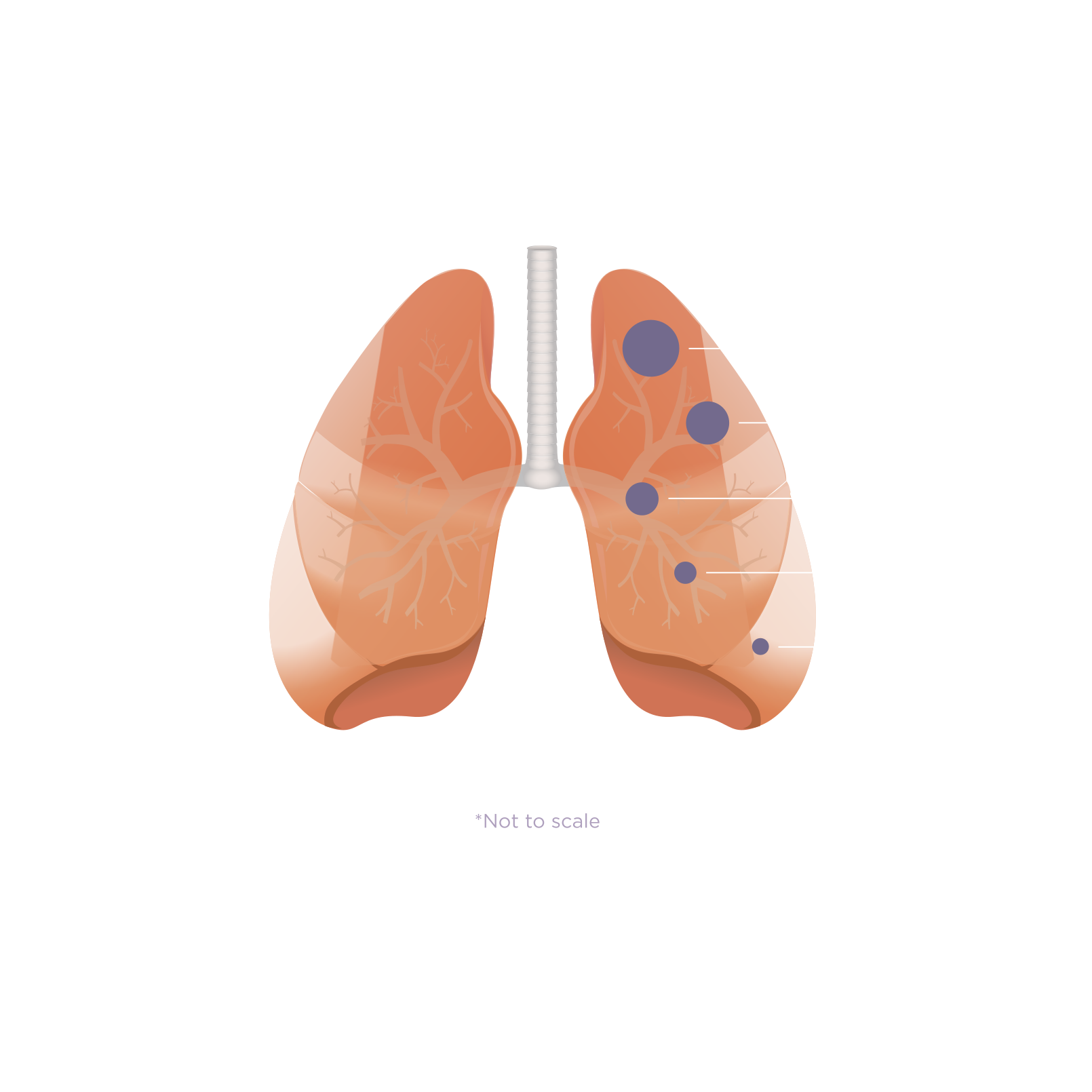
LDCT scans can find spots on the lung called nodules. Nodules are also called lesions, coin lesions, growths, or solitary pulmonary nodules. Many people have lung nodules by age 50. Most nodules are not lung cancer and will never become lung cancer. However, lung nodules need to be watched over time to see if they grow or change.
Nodules are described by their features or how they look:
.svg)
Lung cancer screening insurance coverage
For people who meet certain guidelines, a yearly low-dose CT screening for lung cancer is 100% covered by Medicare and most private insurance plans—just like mammograms and other screening tests. Additional testing and follow-up scans between screenings may have a cost, such as a co-pay or deductible.

Medicare
Medicare’s main guidelines for lung cancer screening are:
- Being aged 50–77 years
- Having no signs or symptoms of lung cancer
- Having a history of smoking for at least 20 pack-years (1 pack-year = smoking 1 pack per day for 1 year; and 1 pack = 20 cigarettes)
- Currently smoking or quit smoking within the last 15 years
- Receiving an order for lung cancer screening with a low-dose CT scan
Medicare has other guidelines as well, such as having a discussion with your healthcare team about lung cancer screening and whether you want to be screened or not. This is called shared decision-making and is required before your first lung cancer screening scan. Here’s the full list of Medicare screening guidelines.
Private insurance plans
Most private insurance plans cover lung cancer screening for people who meet the following USPSTF guidelines:
- Being aged 50-80 years, and
- Cigarette smoking history of at least 20 pack-years (one pack-year = smoking one pack per day for one year; and 1 pack = 20 cigarettes), and
- Currently smoking or quit smoking within the past 15 years
Even though most private insurance companies cover lung cancer screening when the guidelines are met, it’s important to check with your healthcare team or insurance company to confirm. The cost of lung cancer screening can vary depending on your insurance and eligibility. If you don’t meet the guidelines but think you’re at risk, talk to a member of your healthcare team about your options.
Benefits of lung cancer screening
Lung cancer screening can find lung cancer early, when it's more treatable, surivvial is dramatically higher, and costs are significantly lower. Learn about lung cancer screening facts and real-life experiences.
“With no symptoms of lung cancer, I went in for a low-dose CT scan after receiving a direct mail flier from my health care provider system… early CT scans work!"

Barney Brinkmann
Lung cancer survivor
“My cancer was found early only because I was proactive... Lung cancer is an equal opportunity disease and early detection is a real lifesaver.”

Sally Samuels
Stage 1 lung cancer survivor
Find a screening center in GO2’s Center of Excellence Network
You should always be screened for lung cancer at a center that follows approved guidelines for lung cancer screening. GO2 for Lung Cancer has a large network of designated Centers of Excellence in Screening. This designation demonstrates the facility is committed to high-quality screening standards. This ensures that low-dose CT screening is carried out safely, efficiently, and equitably.
Our Centers of Excellence network includes over 300 facilities across the country. Use the tool below or call our Helpline at 1-800-298-2436 to find a quality screening center near you.
If you are a healthcare provider interested in joining GO2's Center of Excellence network, learn more about our benefits and designations.
COE Designations
- Lung Cancer Screening - Provides a low-dose CT screening program that follows the National Comprehensive Cancer Network (NCCN), U.S. Preventive Services Task Force (USPSTF), or Centers for Medicare & Medicaid Services (CMS) criteria and uses a structured process to manage patient follow-through.
- Cancer Care - Provides standard cancer services within medical, radiation, and surgical oncology and pathology.
- Incidental Pulmonary Nodules - Provides a structured program for patient follow-up and reporting across the health system when a lung nodule is found on imaging other than a lung screening.
- Biomarker Testing - Ensures access to comprehensive biomarker testing (molecular and immune biomarkers with next-generation sequencing technology) in all patients who are eligible to determine whether targeted therapies or immunotherapies are a treatment option.

Lung cancer risk factors
A risk factor for lung cancer increases the chance that you might develop the disease. The primary risk factor for lung cancer is cigarette smoking but it is not the only one. Other risk factors include environmental or on-the-job exposure to radon, asbestos, diesel fumes, and certain other toxins. Your family history, your lifestyle, and some health-related issues (such as chronic lung disease) can also put you at higher risk for lung cancer. If you are on active duty or a military veteran, you may have been exposed to burn pits, Agent Orange, or other toxic substances that also increase your risk.
Learn more about risk factors and whether you might be at risk. Talk to your healthcare team about whether lung cancer screening is right for you. Early detection of lung cancer saves lives—and could save yours.
Frequently asked questions
Where can I find more resources and support?
Contact the GO2 HelpLine at 1-800-298-2436 or email support@go2.org to connect with caring and highly trained staff who listen, answer your questions, and provide support. We offer many free programs and educational resources to meet your needs.
What are lung cancer screening guidelines?
Lung cancer screening guidelines and guidelines is set by the US Preventive Services Task Force (USPSTF). The USPSTF recommends annual screening for lung cancer in adults aged 50 to 80 years who have a 20-pack-year smoking history and currently smoke or have quit within the past 15 years. If you have Medicare, their guidelines are slightly different. Medicare covers up to age 77 rather than 80.
What if I do not meet the screening guidelines but have other risk factors?
You should meet with your healthcare team to discuss your concerns.
What is a low dose CT-scan?
A low-dose CT scan uses the least amount of radiation exposure necessary to capture detailed images of your chest. This takes about 1 minute, does not use needles or injections, and there is no preparation required.

Learn about how lung cancer is diagnosed