
Health policy

Stay informed about the policies that impact the lung cancer community and ways you can get involved.
Learn about local and national events where you can connect, raise awareness, and support the lung cancer community.
Explore real stories honoring survivors and those remembered through their lasting legacy. Select a category to find stories that resonate most with you.
Find practical advice, emotional support, and resources to help you or your loved one cope with the challenges of living with lung cancer.
Stay informed about the policies that impact the lung cancer community and ways you can get involved.
Explore breakthroughs and ongoing studies in lung cancer research, from clinical trials to cutting-edge therapies and prevention.
Catch up on highlights from our newsletter, featuring stories, resources, and upcoming opportunities to engage.
Explore news and updates shaping the lung cancer landscape—from scientific breakthroughs and organizational milestones to awareness campaigns and community highlights.
May 6, 2026
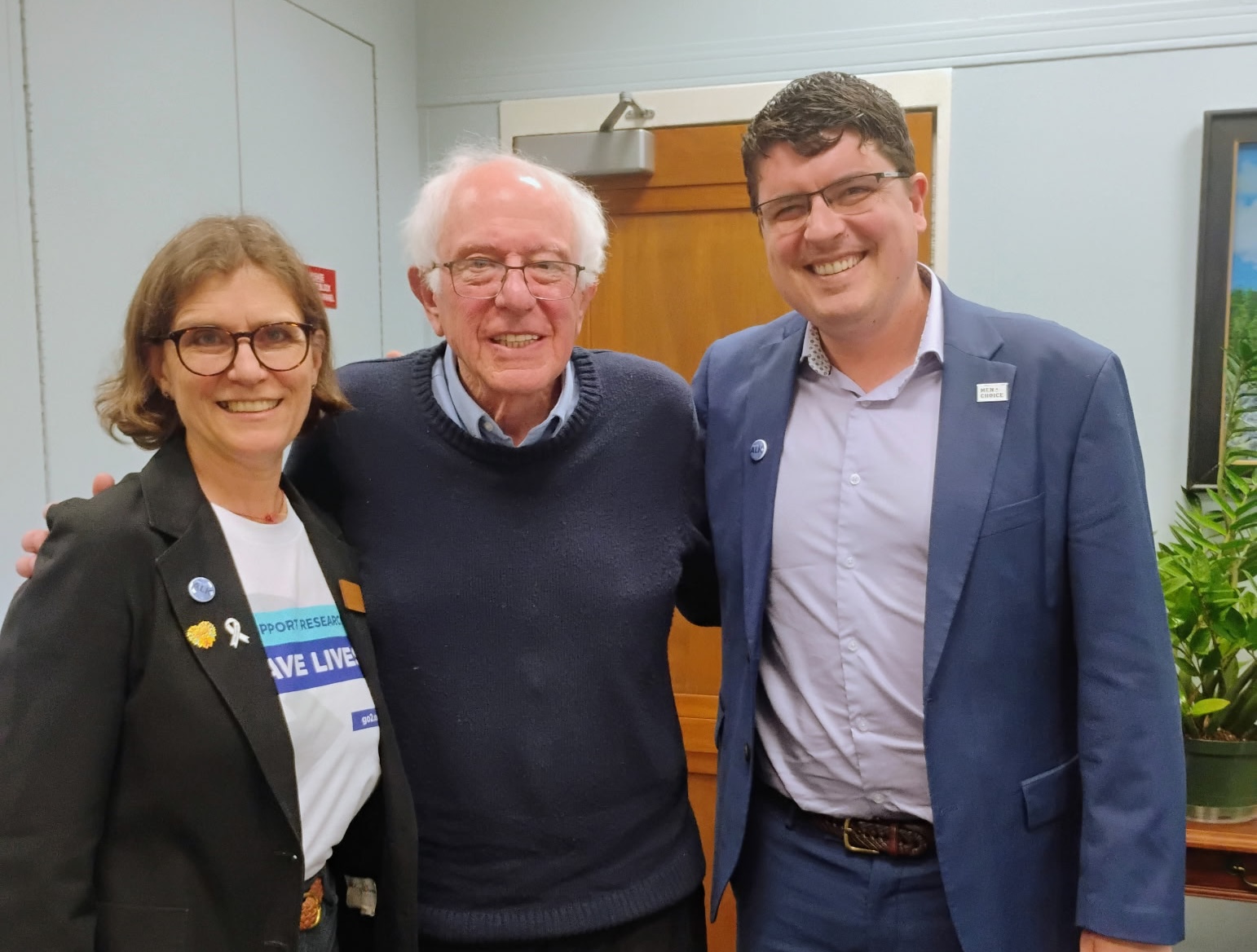
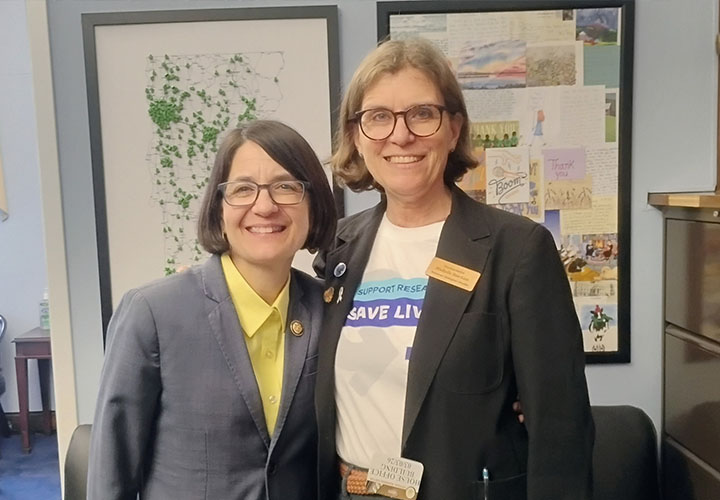
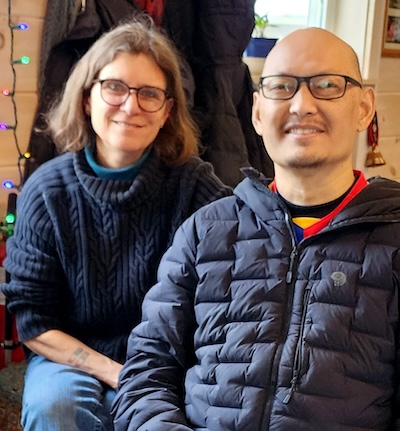
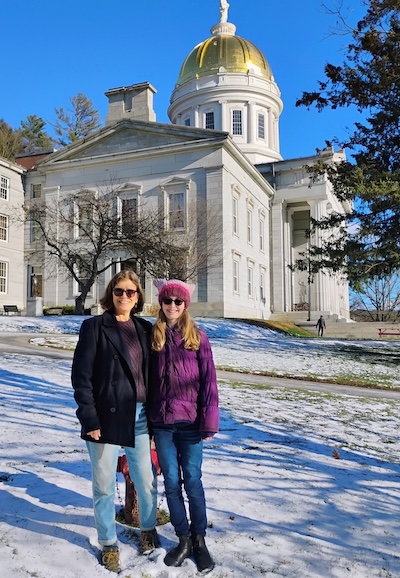
Michelle Bos-Lun is a third term state representative in the Vermont General Assembly. She lives in Westminster with her husband. She has 3 adult children and 2 grandchildren. Michelle is an enthusiastic vegan cook and baker, a mushroom forager, a hiker, and an advocate for lung cancer.
When Michelle returned home from a trip to Nepal last year, she soon found herself unable to get out of bed. At first, she thought she had jet lag, but when her symptoms worsened, she ended up in the hospital.
What followed was a whirlwind of tests and uncertainty that led to a diagnosis she hadn’t expected: scrub typhus, a rare and potentially life-threatening infection she had contracted while traveling.
But the story didn’t end there. In the process of trying to understand why she was so sick, doctors ordered a chest X-ray and saw something there that they couldn’t explain.
Three weeks and even more tests later, Michelle received a second surprising diagnosis: lung cancer.
A diagnosis she never expected
Like so many others, lung cancer wasn’t something Michelle imagined would happen to her until it did.
“Before my diagnosis, I knew of one person who had lung cancer without a smoking history,” she said. “So, while I knew it was possible, it didn’t seem at all likely. But lots of people aren’t good candidates for lung cancer, and yet it still finds us.”
Still, even in the face of a stage 3B (IIIB) diagnosis, her reaction was not what many might expect.
“I’m pretty pragmatic about things,” she said. “When something comes up, I want to learn all about it and figure out what I can do to have the best results with a situation that isn’t ideal.”
That instinct to learn, adapt, and move forward has shaped everything that’s followed
“I won the lottery”
After her initial diagnosis, Michelle entered a waiting period, one filled with a lot of questions, but few clear answers. Her oncologist couldn’t yet tell her what kind of lung cancer she had or how it would be treated. The outlook he shared at that point was sobering.
But there was one 1 possibility that offered hope, and that was a genetic mutation.
Her doctor told her, “If you have a mutation, there are some really good targeted therapies.”
Two weeks later, the call came. Michelle had ALK-positive lung cancer.
“He told me I won the lottery,” she said. “I had the best one with the best treatment.”
Within days of starting the targeted therapy, Lorbrena (loralatinib), her persistent cough, which was her only noticeable symptom, had disappeared. A few months later, her first scan showed her cancer had been reduced by nearly 50%.
“My doctor actually said, ‘This is even better than I would have expected,’” Michelle said.
A whole-person approach
From the beginning, Michelle approached her diagnosis the same way she has approached much of her life by integrating different perspectives, experiences, and tools. Having spent part of her adolescence in Taiwan, and as a long-practicing Buddhist, she was already comfortable holding multiple ways of thinking at once.
“My life has been a mixture of East and West since I was 12,” she said. “So, when I got cancer, it made sense to include a variety of different resources and approaches.”
Her treatment plan reflects that. Alongside her targeted therapy, Michelle has built a daily routine that supports her body in other ways:
- Tai Chi twice a day to improve circulation and manage neuropathy
- Walking several miles each day
- Bi-weekly acupuncture
- Regular lymphatic massage
- A nutrient-dense, plant-based diet including daily kale smoothies, large salads, and roasted vegetables with whole grains
“I feel as healthy as I’ve ever been. Except I have cancer,” she said.
It’s a paradox she doesn’t shy away from. And it’s one she’s actively working to sustain.
“The lorlatinib gets credit for 75% of my healing, and my kale smoothies get the other 25%,” she joked.
Choosing hope—on purpose
Michelle is quick to acknowledge that everyone responds to a diagnosis differently. But for her, hope is not something she has to force; it’s something she naturally gravitates toward.
“I think you can choose to look at the hardest parts, or you can look at the possible good outcomes,” she said. “For me, it’s more satisfying to look at the positive. I try to find the best-case scenarios and aim for those.”
Even before her diagnosis was confirmed, she made a conscious choice not to dwell in pessimism.
“Before my lung biopsy, I thought, I don’t think it’s very likely that this is lung cancer, so I’m not going to worry about it,” she said. “And then when it turned out to be cancer, I said, ‘Okay, so when can we figure out how to treat this?’ I could have spent that time scared, but being scared wouldn’t have changed the outcome, only how I experienced the time leading up to it. That’s sort of how I approach everything.”
Finding community and perspective
Like many people diagnosed with a biomarker-driven form of lung cancer, Michelle quickly found community among others living with ALK-positive disease.
“I feel like I’ve been welcomed into this club that none of us wanted to join,” she said. “But since we’re here, we’re there for each other.”
Through that community, she found not only information, but perspective, including examples of people living 10, 15, even 20 years after diagnosis. Their stories helped her understand the full range of what’s possible and where she might fit within it.
“Somebody would say, ‘my husband is 21 years out’, and I thought, what? We can live 21 years with this? Knowing that some people can live quite a long time made me feel like, okay, then I can make it too,” she said.
Not waiting anymore
If there is 1 theme that runs through Michelle’s story, it’s this: don’t wait.
After her diagnosis, she began thinking about the people she hadn’t seen in years and the friendships that had drifted with time and distance. She immediately set out to rectify that. Her first trip was to reconnect with a close friend she hadn’t seen in decades.
“I just thought, I don’t want to wait,” she said. “Why did I already wait 30 years? I’m not doing that again.”
Now, her “bucket list” isn’t about places; it’s about people – reunions, visits, and time spent together.
“I hope I’m going to be around for a long time,” she said. “But in case I’m not, I don’t want to wait to spend time with the people who matter most to me. I want to see them now.”
Turning experience into action
As a state legislator in Vermont, Michelle already had a platform. After her diagnosis, she chose to use it in a new way. From the very beginning, she has spoken publicly about her experiences, using them as an opportunity to raise awareness about lung cancer, and especially the importance of early detection.
“I thought, maybe I can help somebody else,” she said. “If I can help educate someone, then go ahead, use my story.”
After her story appeared on the front page of her local paper, she learned that at least two people went to their doctors to ask for chest X-rays. For Michelle, that was enough.
“That’s the whole point,” she said.
She is also working to connect her personal experience with broader public health efforts, including initiatives that emphasize nutrition as a core component of care.
“When people eat healthy food, it helps keep them healthy,” she said. “I’m a living example of that.”
Moving forward
Less than a year into her diagnosis, Michelle’s life looks both familiar and entirely new. She is still working, still advocating, and still showing up for her family.
But she is also living with a deeper sense of urgency and intention.
“When you get lemons, make lemonade,” she said. “Well, I’m making some lemonade.”
Only in Michelle’s case, it’s likely organic, and paired with a kale smoothie.
A lung cancer diagnosis can bring a lot of questions, emotions, and uncertainty. GO2 for Lung Cancer’s free HelpLine connects you with trained specialists who can provide support, answer questions, and help you find resources along the way. Whether you’re newly diagnosed, in treatment, or navigating survivorship, you don’t have to face it alone.
Call us at 1-800-298-2436 or email support@go2.org to learn more.

April 21, 2026
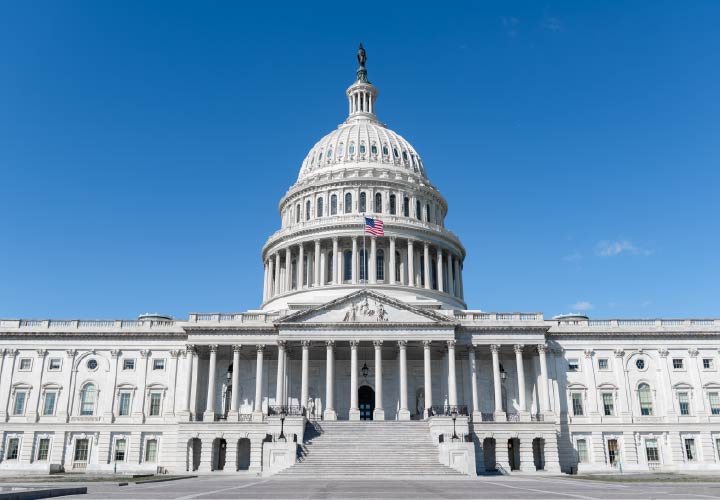
GO2 for Lung Cancer today applauds House passage of H.R. 2319, the Women and Lung Cancer Research and Preventive Services Act, an important bipartisan step toward final enactment this Congress.
We commend the leadership of Representatives Brendan Boyle (D- 2- PA) and Brian Fitzpatrick (R-1-PA). We also thank Speaker Mike Johnson (R-4-LA), Majority Leader Steve Scalise (R-1-LA), and Democratic Leader Hakeem Jeffries (D-8-NY) for advancing the bill under suspension and recognize the leadership of the House Energy and Commerce Committee, including Chairman Brett Guthrie (R-2-KY) and Ranking Member Frank Pallone (D-6-NJ).
This milestone builds on more than a decade of advocacy and research, including work with the Connors Center for Women’s Health and Gender Biology at Brigham and Women's Hospital, which first identified critical gaps in understanding lung cancer in women and called for a coordinated national response.
While smoking rates have declined, lung cancer diagnoses, particularly among women, have not kept pace. This underscores a critical truth that lung cancer can affect anyone, including people with no known risk factors. Yet this misconception continues to drive stigma and delay diagnosis. The key unanswered question is why younger, otherwise healthy women with no traditional risk factors are developing lung cancer.
“The placement of this bill on the House Suspension Calendar reflects strong bipartisan recognition that we must do more to address lung cancer in women,” said GO2 for Lung Cancer’s Interim Co-CEO Danielle Hicks. “Once implemented, this legislation will improve understanding of genetic, hormonal, environmental, and behavioral factors and strengthen prevention, screening, and treatment strategies for everyone impacted by lung cancer.”
“The advancement of this bill is about more than research funding, it is about correcting a dangerous and outdated narrative,” said GO2 for Lung Cancer’s Senior Director of Government Affairs, Elridge Proctor. “We are still seeing lung cancer in younger women with no known risk factors. That means critical scientific gaps remain, and patients are paying the price.”
By advancing a more complete understanding of disease risk beyond risk factors, the bill helps dismantle stigma at its root, replacing blame with evidence and ensuring that all patients are recognized, studied, and served.
GO2 for Lung Cancer urges the Senate to swiftly pass S. 1157 and conference with the House on the two versions to bring the bill to the President’s desk. We stand ready to work with federal agencies and leading patient advocacy organizations to ensure this legislation is implemented and delivers meaningful progress for everyone living with lung cancer.
Join us in taking action. Contact your Senator, every message counts!
March 30, 2026
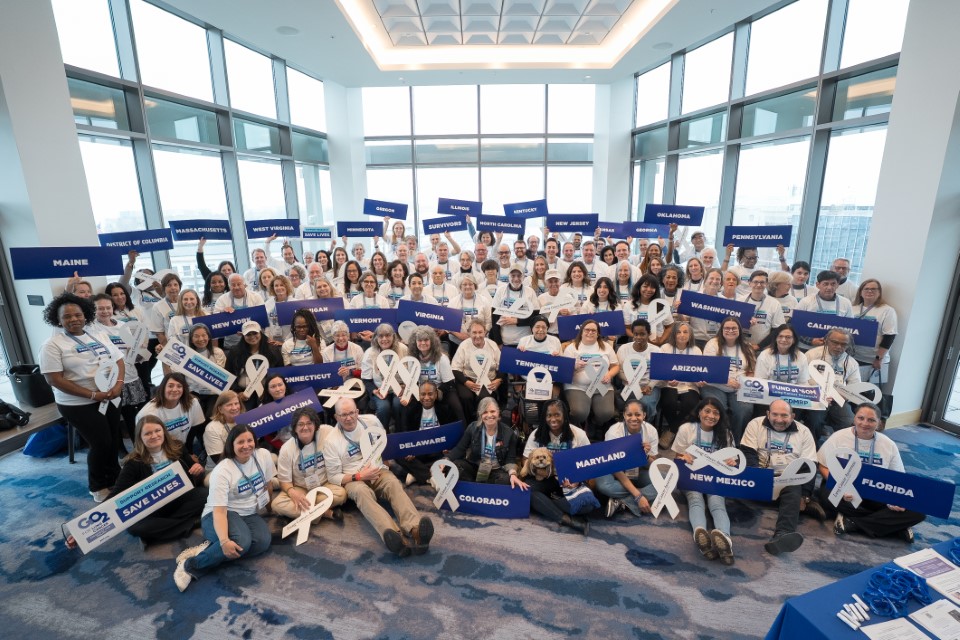
From March 1–3, 2026, lung cancer advocates, researchers, survivors, and partners from across the country gathered in Washington, D.C., for the annual GO2 for Lung Cancer Voices Summit. This year’s summit marked a milestone moment for the lung cancer community, bringing together passionate advocates to elevate patient voices and push for policies that accelerate research and improve outcomes for people affected by lung cancer.
GO2 was proud to partner with organizations and advocates across the full spectrum of the lung cancer community—biomarker groups, research foundations, advocacy organizations, and patient-led initiatives—to make our collective voice impossible to ignore.
This unprecedented collaboration not only amplifies our shared mission but also demonstrates the strength, resilience, and expertise driving progress in lung cancer today.
We are deeply grateful to the advocates who traveled from across the country to meet directly with lawmakers and share their experiences. Their voices help ensure that lung cancer remains a national priority and that progress continues for the millions of individuals and families impacted by this disease.
By the numbers
This year’s summit was a milestone event in many ways. Highlights include:
- 140 meetings with legislative offices on Capitol Hill
- 139 attendees
- 29 states represented
- 63,705 social media impressions and 4,915 engagements
Our key priorities
Advocates urged Congress to take action on several policy priorities that support the lung cancer community.
- Our request for Fiscal Year 2027
Advocates called on Congress to fully restore and increase funding for the Lung Cancer Research Program (LCRP) to $60 million within the Department of Defense’s Congressionally Directed Medical Research Program (CDMRP). This investment is critical to reversing the impact of the FY 2025 full-year continuing resolution, which:- Enacted a 57 percent reduction in overall CDMRP funding
- Eliminated dedicated funding for the LCRP in FY 2025
- Support for federal research funding
The lung cancer community also urged policymakers to support the highest possible funding levels for key federal medical research agencies, including:- National Institutes of Health (NIH)
- National Cancer Institute (NCI)
- Advanced Research Projects Agency for Health (ARPA-H)
- Food and Drug Administration (FDA)
Sustained investment across these agencies is essential to drive the scientific discoveries and innovative treatments that improve survival and quality of life for patients.
Keynote speaker highlights the promise of progress
GO2 for Lung Cancer was honored to welcome Christine M. Lovly, MD, PhD, FASCO, as the summit’s keynote speaker. Dr. Lovly is the division chief of thoracic medical oncology and a professor in the Department of Medical Oncology & Therapeutics Research at City of Hope, one of the largest and most advanced cancer research and treatment organizations in the United States.
In her remarks, Dr. Lovly highlighted the remarkable progress made in lung cancer research and treatment over the past two decades while emphasizing the continued need for sustained funding and strong advocacy. She also spoke about the promise of future breakthroughs and the power of collaboration across the lung cancer community.
Survivor spotlight: shining a light on lung cancer
A powerful moment of the summit featured lung cancer survivor and advocate Dusty Donaldson, who shared her personal experience with lung cancer and the impact advocacy can have on driving change.
Through the Shine a Light on Lung Cancer® initiative, the presentation highlighted the importance of elevating patient voices, honoring those affected by lung cancer, and inspiring action to advance research, support, and hope for everyone impacted by the disease.
Advocacy award recognition
At the Voices Summit, GO2 recognizes and celebrates individuals who have made a meaningful impact in the lung cancer community.
This year, Bruce Dunbar received the 2026 Lung Cancer Voices Summit Advocacy Leadership Award for Excellence in Community Engagement & Awareness for his outstanding commitment to advancing progress for people affected by lung cancer. A lung cancer survivor and volunteer state team leader, Bruce has been a dedicated advocate and an active member of the Voices Summit Planning & Advisory Committee.
Raise your voice year-round
Advocacy does not end when the Voices Summit concludes. The lung cancer community can continue to make an impact year-round by contacting lawmakers and supporting policies that accelerate research, expand access to care, and improve outcomes.
Every message, every meeting, and every story shared helps build the momentum needed to drive lasting change for people affected by lung cancer. Take action today.
Pictures from the 2026 Lung Cancer Voices Summit
Our professional photographer captured many special moments at this year’s Voices Summit. Please review our photo album from the event, and feel free to download, share or post your favorite image to your social media network. Don’t forget to tag us too:
Facebook: GO2 for Lung Cancer
Instagram: @go2forlungcancer
LinkedIn: GO2 for Lung Cancer
Thank you to our 2026 Lung Cancer Voices Summit sponsors
AstraZeneca, Merck, AbbVie, Daiicho-Sankyo, Genentech, Grail, Johnson & Johnson, Pfizer, Novocure, Regeneron, Lilly, Natera, Takeda Oncology

March 3, 2026
At GO2 for Lung Cancer, helping patients and families is at the heart of what we do. Our support services connect people to trusted information, help them navigate care, and offer guidance during difficult moments.
At the same time, GO2 also works behind the scenes on health policy. This work focuses on the laws and decisions that shape whether people can get screened, see the right specialists, afford treatment, and receive follow-up care. Together, direct support and policy advocacy help ensure that people affected by lung cancer can get the care they need when they need it.
Expanding access to lung cancer screening
Early detection saves lives. That’s why expanding access to lung cancer screening is one of GO2’s top priorities.
Rules about who qualifies for lung cancer screening can make a big difference. These guidelines decide who is eligible for low-dose computed tomography (LDCT) scans and whether insurance covers the cost. When screening rules are too narrow or outdated, some people who are still at high risk may not be able to get screened.
GO2 is closely engaged as national screening recommendations come up for review. These reviews are important opportunities to update guidelines based on new research and real-world experience. Today, some individuals—such as certain people with a smoking history—may still face a higher risk of lung cancer but do not meet current screening criteria.
GO2 also works to ensure that Medicare coverage keeps pace with updated screening guidance. This is especially important for older adults who are more likely to develop lung cancer. When coverage rules do not match current medical guidance, people may face delays or barriers to screening that could help detect cancer earlier.
Through ongoing advocacy, GO2 works to ensure that lung cancer screening guidelines and coverage policies reflect current real-world evidence and updated clinical guidelines, so more people who could benefit from screening are able to access it.
Ensuring access to timely diagnosis and biomarker testing
Screening is only the first step in the lung cancer care experience. When a suspicious finding appears on a scan, patients need timely diagnostic evaluation and testing to determine the best path forward.
An important part of this process is biomarker testing, which analyzes a tumor’s genetic features to help doctors identify treatments that may work best for a specific patient. Many modern lung cancer treatments depend on these results, making timely access to testing critical for guiding treatment decisions.
GO2 works to improve access to biomarker testing through both policy and system-level efforts. This includes supporting state legislation that helps ensure insurance coverage for biomarker testing and advocating for its inclusion in state cancer plans and other cancer control initiatives.
By advancing policies and best practices that support timely and appropriate testing, GO2 helps provide patients and their care teams with the information they need to choose the most effective treatment options.
GO2 also works with national partners and policymakers to advance policies that support appropriate biomarker testing and ensure that patients across the country can benefit from the latest advances in precision medicine.
Supporting access throughout the care journey
Access challenges don’t stop after screening. Many policies affect care at every stage from diagnosis and treatment to follow-up and survivorship. GO2 works to ensure these policies support patients rather than create new obstacles.
One important tool is telehealth. Telehealth allows patients to talk with healthcare providers by phone or video, making it easier to have screening conversations, meet with specialists, manage care, and check in after treatment. For people who live far from cancer centers, have trouble traveling, or juggle work and family responsibilities, telehealth can make care more reachable.
As healthcare rules continue to change, GO2 advocates for telehealth policies that are practical, fair, and patient-friendly. The goal is to make sure virtual care remains an option, especially when it helps patients stay connected to the care they need.
Making sure the patient voice is heard
GO2 also works with other patient advocacy organizations to strengthen the patient voice in health policy discussions. By working together, patient groups can raise shared concerns and help decision-makers understand how policies affect real people.
This teamwork helps ensure that lung cancer needs are considered in broader healthcare decisions especially when policies are designed for many conditions at once but may affect cancer patients in unique ways.
Improving affordability of lung cancer treatment
The cost of treatment is a major concern for many people facing lung cancer. GO2 closely follows changes to Medicare drug coverage and pricing rules that affect how much patients pay for their medications.
Recent changes to federal law are reshaping how prescription drug costs are handled under Medicare. GO2’s policy work focuses on making sure these changes truly help patients afford their medications without limiting access to the treatments their doctors recommend.
By monitoring how new rules are put into practice, GO2 works to identify and address any unintended consequences that could make it harder for patients to get the care they need.
Addressing insurance barriers when they arise
Sometimes, even when guidelines and policies are in place, insurance coverage decisions can still create problems for patients. When this happens, GO2 speaks up.
GO2 engages directly with health plans when coverage rules or restrictions limit access to needed cancer treatments, especially for people with rare or specific types of lung cancer. These efforts focus on ensuring that coverage decisions keep pace with medical advances and recognize that different patients need different treatments.
This kind of targeted advocacy helps reinforce a simple but important message: cancer care should be guided by medical evidence and individual patient needs—not one-size-fits-all rules.
One goal: Helping patients get the care they need
Whether providing direct support to patients, advocating for expanded screening, protecting access to care tools like telehealth, working to improve affordability, or addressing insurance barriers, GO2’s work is guided by one goal: helping people affected by lung cancer access timely, high-quality care.
Some of this work happens behind the scenes, but its impact is felt every day. GO2 remains committed to supporting patients and families—both through direct services and through advocacy that helps make the healthcare system work better for everyone affected by lung cancer. Learn more about our advocacy work.
February 25, 2026
Lung Cancer Voices Summit Calls on Congress: Support Research. Save Lives.
Washington, D.C. — February 25, 2026 — On March 3, GO2 for Lung Cancer (GO2) will convene more than 200 people impacted by lung cancer on Capitol Hill for its annual Lung Cancer Voices Summit, elevating patient voices and urging Congress to take immediate action to address the nation’s leading cause of cancer death. With more than 230,000 Americans expected to be diagnosed with lung cancer this year, advocates are calling for increased federal investment in research that saves lives.
Participants include people living with lung cancer, survivors, caregivers, veterans, and families, alongside clinicians, researchers, and healthcare experts. GO2 is joined by partners from across the lung cancer community—including biomarker groups, research foundations, advocacy organizations, and patient-led initiatives—representing the full spectrum of expertise and lived experience. United around a shared mission, this community is meeting with lawmakers to advocate for $60 million in dedicated funding for the Lung Cancer Research Program (LCRP) in the FY 2027 federal budget and to deliver a clear message: sustained investment in lung cancer research, awareness, and support saves lives.
“People’s lives are at stake, and we need funding and support now,” said GO2 for Lung Cancer’s Co-Interim Chief Executive Officer Danielle Hicks. “We see firsthand the consequences of underinvestment. Lung cancer remains the single largest cancer killer in the United States, yet it continues to receive disproportionately low levels of federal research funding. That must change.”
Keynote speaker Christine M. Lovly, MD, PhD, FASCO, division chief of thoracic medical oncology, professor in the Department of Medical Oncology & Therapeutics Research at City of Hope, one of the largest and most advanced cancer research and treatment organizations in the United States, emphasized both the scientific urgency of sustained funding and the strength of collective advocacy.
“We are at a pivotal moment in lung cancer research and patient care,” said Dr. Lovly. “Scientific advancements are transforming how we understand and treat this disease, but progress is slowed by persistent barriers, including both insufficient funding for research and unequal patient access to the innovations that arise from our nation’s research efforts. Sustained investment in lung cancer research is essential to accelerate breakthroughs and ensure patients benefit from discoveries as quickly as possible. When the lung cancer community comes together, we create the momentum needed to drive real change.”
Despite lung cancer’s status as the leading cause of cancer-related death, federal investment in research remains inconsistent and vulnerable to shifting budget priorities. Recent funding negotiations have created uncertainty for medical research programs nationwide.
For Fiscal Year (FY) 2027, the lung cancer community is united in calling on Congress to fully restore and increase funding for the Lung Cancer Research Program (LCRP) to $60 million within the Congressionally Directed Medical Research Program (CDMRP) at the Department of Defense. This investment is essential to reverse the harmful impact of the FY 2025 Full-Year Continuing Resolution, which:
- Enacted a 57 percent reduction to overall CDMRP funding; and
- Eliminated dedicated funding for the LCRP in FY 2025.
Without restored and sustained investment, promising research may stall, innovation may slow, and patients could face delays in accessing lifesaving breakthroughs.
Reflecting on the unified voice of the summit, Dr. Lovly added, “The best testament to the value of getting this right is more family, friends, neighbors, and loved ones who are living longer with a better quality of life. Together, the lung cancer community can create better treatments and more opportunities.”
“Patients cannot wait,” Hicks said. “Every delay in funding means delayed progress, delayed treatments, and lives lost. Congress has an opportunity, and a responsibility, to act.”

January 15, 2026
Today marks a huge step for improving the lives of everyone affected by lung cancer. S. 1157, the Women and Lung Cancer Research and Preventive Services Act, advances with a favorable vote in the Senate Health, Education, Labor, and Pensions (HELP) Committee, building on the progress of its companion bill in the House, H.R. 2316, which passed last spring. This marks a critical step toward improving outcomes for women and families affected by lung cancer. We thank Committee Chair Bill Cassidy (R-LA), Ranking Member Bernie Sanders (I-VT), and bill sponsors Senators Tina Smith (D-MN) and Shelley Moore Capito (R-WV), along with House sponsors Representatives Brendan Boyle (D-PA) and Brian Fitzpatrick (R-PA), for their strong bipartisan leadership in advancing this critical legislation.
With the bill now reported out of the committee of jurisdiction, Congress must act swiftly by bringing it to a vote in both chambers and passing it into law this year. Join us—urge your members of Congress to vote now to pass the Women and Lung Cancer Research and Preventive Services Act of 2025.
For more information, please contact GO2 for Lung Cancer’s Senior Director, Government Affairs & Public Policy, Elridge Proctor, MPA (eproctor@go2.org).

January 5, 2026
By Elridge D. Proctor, MPA, Senior Director, Government Affairs, GO2 for Lung Cancer
Current landscape
As we enter 2026, we reflect on the impact that government decisions are having on communities across the nation, especially our own, as lung cancer continues to change lives forever. Many of you are coping with fear and anxiety of uncertainty while you wait for things to change, and some of you may be grieving from losing someone far too soon. We want you to know that we are with you, and that GO2 is your friend.
Whether you are newly diagnosed or years into survivorship, our strength comes from standing together. We invite you to read this 2025 advocacy recap to recharge and enter this new year with purpose and renewed energy.
Lung Cancer Voices Summit
We are pleased to share that the 2026 Lung Cancer Voices Summit will be held in partnership with organizations and advocates across the full spectrum of the lung cancer community. Together, we will deliver a clear message to Congress that continued investment in lung cancer research, awareness, and support saves lives.
Register now through January 23, 2026, to make your voice heard. The Fundraising Challenge is available to help everyone make it to the Summit. Register today.
Thank you to everyone who contributed to making this year’s summit an inspiring movement.
- Meet the Planning Advisory Committee—the Heart of the Voices Summit.
- View our 2025 Voices Summit photos for a glimpse of what to expect in 2026.
Engage early in the new year
January is the perfect time to schedule meetings in your elected officials’ local offices or to attend events where they will be present. These conversations are crucial in showing why lung cancer research must remain a national priority. Your voice is powerful. Tell elected officials that continued investment matters and delivers meaningful, wide-ranging benefits for public health and our communities.
Advocacy tools to support your efforts
GO2 is pleased to provide our lung cancer advocacy toolkit, designed for both digital and print use. This toolkit will support your advocacy year-round and will continue to be updated ahead of next year’s Summit. Inside you will find:
Legislative update
Fiscal Year (FY) 2026 Appropriations summary
Following the end of the longest government shutdown in U.S. history—43 days—the budget agreement now extends through January 30, 2026. Once again, final action is required on 9 of the 12 federal appropriations bills.
As we prepare for Congress to act on concurrent budgets next year, we will continue advocating together to turn these challenges into meaningful action for our community.
Here is a recap on where the budget stands. In July 2025, the Senate Appropriations Committee approved its FY 2026 Department of Defense and Labor, Health and Human Services, and Education (LHHS) bills with modest increases for the following agencies:
- $48.7B for the National Institutes of Health (NIH): a $400M increase
- $7.374B for the National Cancer Institute (NCI): a $150M increase
- $1.5B for the Advanced Research Projects Agency for Health (ARPA-H): level-funded
GO2 will continue its advocacy to request the highest possible funding levels for our research agencies in FY 2026 appropriations.
The Lung Cancer Research Program (LCRP)
The Senate did not designate specific funding for the LCRP, keeping lung cancer within the Peer-Reviewed Cancer Research Program, where 24 cancers compete for a total of $130M.
The House passed the defense appropriations bill, which preserved the LCRP as a stand-alone line item but funded it at $15M, significantly lower than the $25M enacted last year. The House also funded the overall CDMRP at $700M, a steep drop from the $1.5B provided in FY 2024.
In response, GO2 issued a statement to appropriation committee leaders, urging them to increase Congressionally Directed Medical Research Programs (CDMRP) funding and to specifically allocate $60M for the LCRP in FY 2026.
GO2 will continue working collaboratively with the Defense Health Research Consortium to protect and restore medical research programs within the Department of Defense (DoD). This includes supporting the Medical Research for Our Troops Act (H.R. 3906) to fully restore CDMRP funding after it was cut by 57% in FY 2025 continuing appropriations law.
Reconciliation Tax Bill (H.R. 1): Impact on Medicaid and lung cancer
This summer marked the end of a long reconciliation process when President Trump signed the “One Big Beautiful Bill Act” (H.R. 1) into law. Read GO2’s statement on the One Big Beautiful Bill Act.
Summary of the expected impact on lung cancer
- More than 11 million Americans could lose coverage—including thousands living with or at risk for lung cancer, and those affected by new work requirements and related policy changes.
- Capped payments to hospitals and nursing homes are expected to hit rural and safety-net providers hardest.
- Cuts threaten access to screening, diagnosis, treatment, and survivorship services—leading to later diagnoses and lower survival rates.
- Reduced Medicaid funding is likely to increase long-term healthcare costs and late-stage cancer cases.
- Disparities in lung cancer outcomes may widen, especially in low-income and rural communities.
GO2 has joined with the disability community and advocacy organizations in urging Congress to pass the Protecting Healthcare and Lowering Costs Act of 2025 and similar legislation to repeal the entirety of the health provisions in H.R. 1 and permanently extend the advanced premium tax credits covered in the Affordable Care Act.
If you would like to share your Medicaid story or become involved in advocacy around these changes, please send an email to Elridge D. Proctor, MPA, Senior Director, Government Affairs at policy@go2.org.
The Women and Lung Cancer Research and Preventive Services Act of 2025 (H.R. 2319 / S.1157)
The Women and Lung Cancer Act, H.R. 2319, was advanced by the House Energy and Commerce Committee in May 2025. Building on the momentum from the previous Congress when the House passed this bill. We call on advocates to urge the Senate to advance S.1157 so the bill can be passed into law next year.
Multi-Cancer Early Detection (MCED) Screening Coverage Act
The MCED Coverage Act (H.R. 842 / S. 339) reached 2 major milestones this year:
- The bill was advanced by both the House Ways and Means Committee and the Energy and Commerce Health Subcommittee.
- The bill achieved a combined 400 cosponsors, making it the most co-sponsored bill of this first session of the 119th Congress.
With this resounding support, let’s continue our advocacy to see this bill enacted in 2026.
Legislation endorsed by GO2
- The Mobile Cancer Screening Act, which will enhance access to cancer screening services for underserved and rural communities across the United States. In our view, all individuals, regardless of their geographic location or socioeconomic status, can benefit from early detection and intervention to not only save lives but also reduce healthcare costs associated with late-stage cancer treatments.
- The Increasing Access to Lung Cancer Screening Act aimed at expanding access to low-dose CT scans for high-risk individuals. If passed, the bill would:
- Ensure that everyone currently recommended for lung cancer screening has access with no cost-sharing or prior authorization, regardless of their insurance type.
- Fund a nationwide awareness campaign about lung cancer and screening.
- Authorize a study to better understand populations that are at high risk of lung cancer and not included in current screening guidelines.
- Expand coverage for tobacco cessation services in Medicaid.
- The Creating Opportunities Now for Necessary and Effective Care Technologies (CONNECT) for Health Act (H.R. 4206), which is the most comprehensive legislation to make telehealth access and flexibilities permanent. The bill permanently extends the major Medicare telehealth flexibilities created during the COVID-19 pandemic, removes outdated geographic and originating-site restrictions, expands the types of providers and clinics that can deliver and bill for telehealth, and supports a full range of technologies, including audio-only options—to ensure equitable access. It also aims to modernize and secure long-term telehealth access for patients nationwide.
- The States Handling Access to Reciprocity for Employment (SHARE) Act of 2025, which will provide the framework necessary to modernize licensure alignment and expand access to care across state lines. The need for licensure compacts as a tool to address healthcare workforce shortages and streamline the licensure process for our nation’s healthcare providers.
Enacting comprehensive biomarker testing coverage
Far too many insurance plans still fail to cover guideline-recommended biomarker testing for people diagnosed with lung cancer and other serious illnesses. This leaves many patients to pay out-of-pocket costs or miss treatments that could significantly improve their outcomes.
GO2 continues its partnership with the American Cancer Society Action Network (ACS-CAN) on state-level campaigns to enact biomarker testing coverage laws. Thus far, 22 states have enacted laws to date. Looking ahead to 2026, we anticipate a challenging climate due to state budget pressures stemming from cuts in SNAP and Medicaid; however, the campaigns will continue in the following states: Delaware, Maine, New Hampshire, North Carolina, Ohio, Tennessee, Vermont, Washington, and, newly, Mississippi.
At the federal level, GO2 endorsed 2 bills introduced in late November by Rep. Josh Gottheimer (D-NJ):
- One bill allowing Medicaid coverage of biomarker testing for lung cancer when medically necessary.
- Another expanding Medicare coverage of biomarker testing for lung cancer, regardless of stage or prior testing.
To get involved in the campaign or share your biomarker stories in advocacy, please email policy@go2.org.
Staying involved in advocacy
Your voices have a meaningful impact—especially in response to proposed cuts to cancer research. Our blog, As Time Is Ticking, Our Government Could Be Returning to Funding Levels from Decades Ago, captured and relayed the urgency felt across our community.
Because of your advocacy efforts:
- Over 5,200 messages were sent to Congress urging restoration of lung cancer research funding.
- Advocates in 49 states participated—let us bring Mississippi into the fold in 2026.
Stay engaged by registering for the Voices Summit and taking action. Please visit our website to read policy letters and learn the positions that GO2 is taking in response to other issues and regulatory actions that could impact the lung cancer community.
Thank you for contributing to our 2025 advocacy impact—and for being a steadfast source of strength and hope in this community.
October 31, 2025
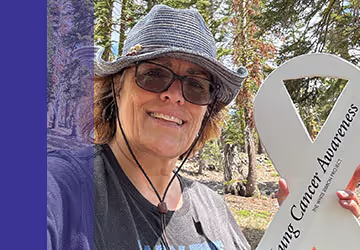
Eva L. has what she calls an “all-American job.” She’s a teacher, a mother, a wife, a sister, a cousin, a daughter, and a neighbor who leaves for work every morning at 7:15 a.m. She is also someone living with lung cancer, a diagnosis that has reshaped her life and sparked her path into advocacy.
Two diagnoses, two realities
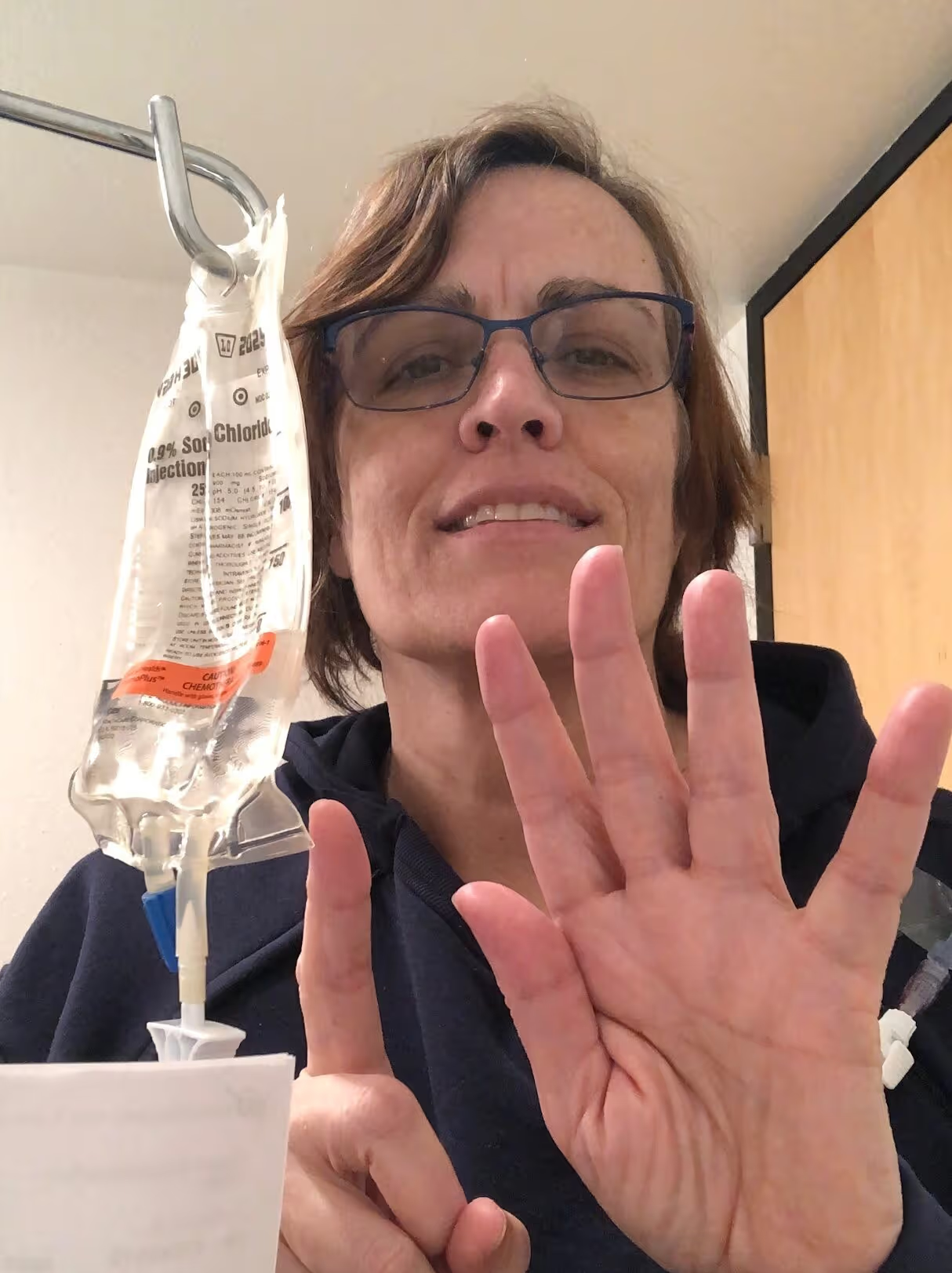
Eva’s path with cancer has been uniquely challenging. Within a short span of time, she was diagnosed with both breast cancer and lung cancer. “Any cancer diagnosis is a shock and alters your life,” Eva says. “With breast cancer, it was scary, but I knew there was a defined pathway and most people survive. I saw myself represented in the community. I didn’t feel diminished as a woman, or that I had brought it on myself.” Lung cancer, however, was a completely different experience. Instead of empathy, she was often met with suspicion. “Friends, coworkers, strangers, doctors, and even X-ray techs asked me if I smoked. The weight of the stigma felt as overwhelming as the diagnosis itself. This is the only cancer that is blamed on the patient.” For Eva, that stigma cut deep, not just in how others perceived her, but in how she had to challenge her own internalized biases. “I had to face my own stigma as I met other people with lung cancer, as those thoughts ran through my own mind. Our community perpetuates stigma through public service announcements, movie storylines, and cultural assumptions,” she said.
The stigma gap: breast cancer vs. lung cancer
The contrast between her experiences with breast cancer and lung cancer has been stark. “With breast cancer, no one questioned my personal behaviors. With lung cancer, even medical professionals didn’t believe me when I said I never smoked. Strangers asked, as if they were diagnosing me with a moral failure.” Eva is quick to point out the harm in these assumptions. “Smoking is not a moral failure. It’s a product sold to millions through lies about its health consequences. But the stigma lingers, and it impacts funding, research, and the way patients are treated.”
From classroom advocacy to cancer advocacy
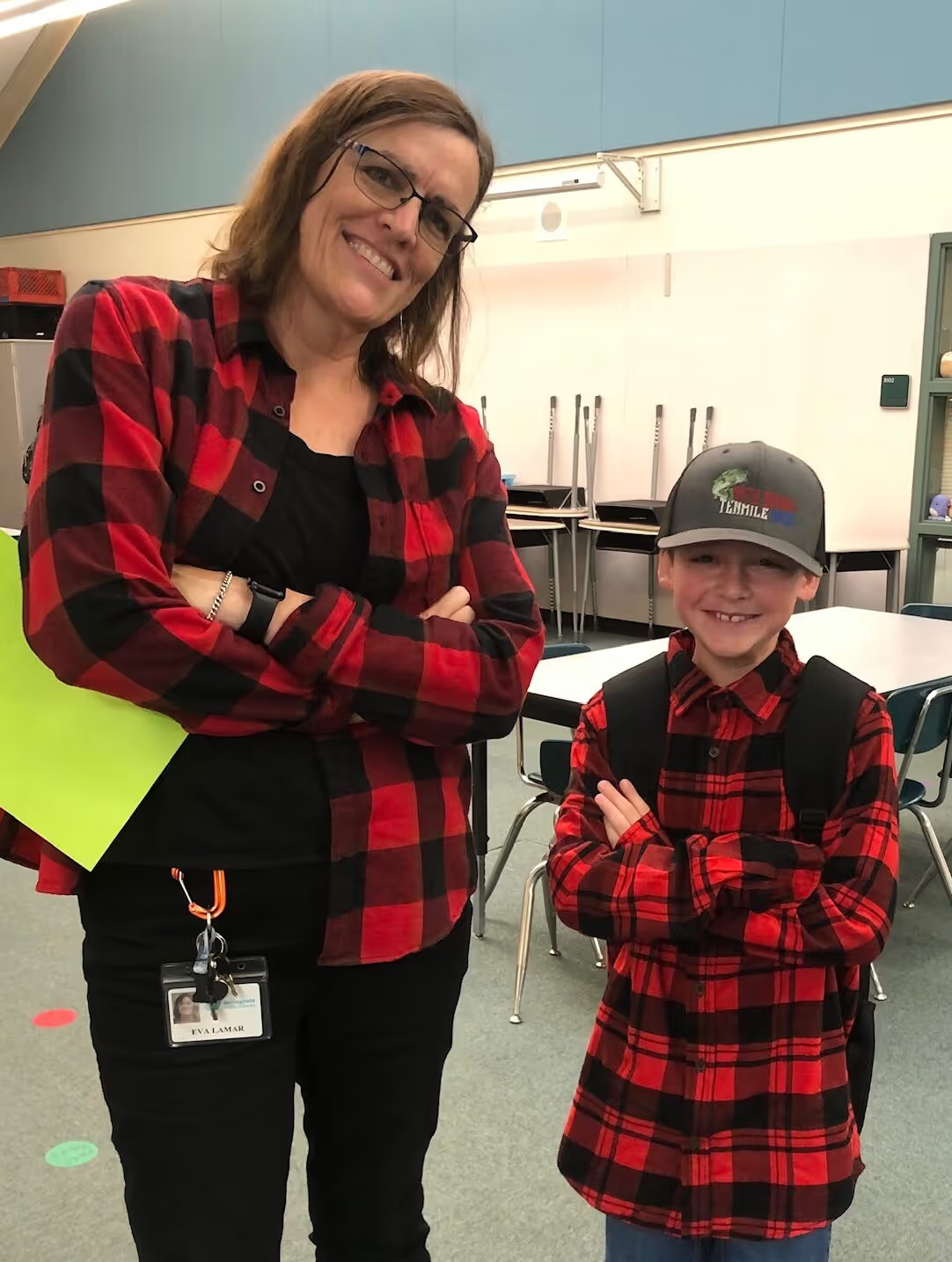
Advocacy is not new to Eva. As the mother of a son with autism, she spent years navigating the education system to ensure he received the support he needed. “I learned to advocate for him and for the kids who came after him. It was exhausting but necessary,” she says. “That experience taught me that no one should have to be an ‘insider’ to get the support they need.” Now, she’s bringing those skills to lung cancer advocacy. “If stigma means less funding, then I need to participate in breaking it down. While I feel strong enough, I want to use my voice where and how I can.”
Finding her place
Eva’s entry into advocacy began with workshops through the Oregon Cancer Foundation and The White Ribbon Project. She realized that keeping her story private only reinforced the stigma. “Many women diagnosed with breast cancer just a decade ago reported similar experiences—friends and neighbors avoided them,” she said. “But that changed because survivors spoke up, advocated, and worked together to shift the narrative. I realize now I must do the same.” Part of that experience will take her to Washington, D.C. in 2026 for her first-ever Lung Cancer Voices Summit that GO2 has held annually for the past 19 years. “I look forward to learning how to add my voice to the movement others have been building for years. This will be a launching pad for me and the start of learning how to advocate at a regional and national level.”
Humor and humanity
Humor has also been one of Eva’s tools for resilience. From joking about “coffin lights” during a PET scan to wearing her favorite shirt that reads, “Cancer, 1 star out of 4, do not recommend,” she uses humor as a way to start conversations.“By starting with humor, people actually talk to me about lung cancer. That’s how we break down stigma—by talking, connecting, and reminding people that anyone with lungs can get lung cancer.”
Looking ahead
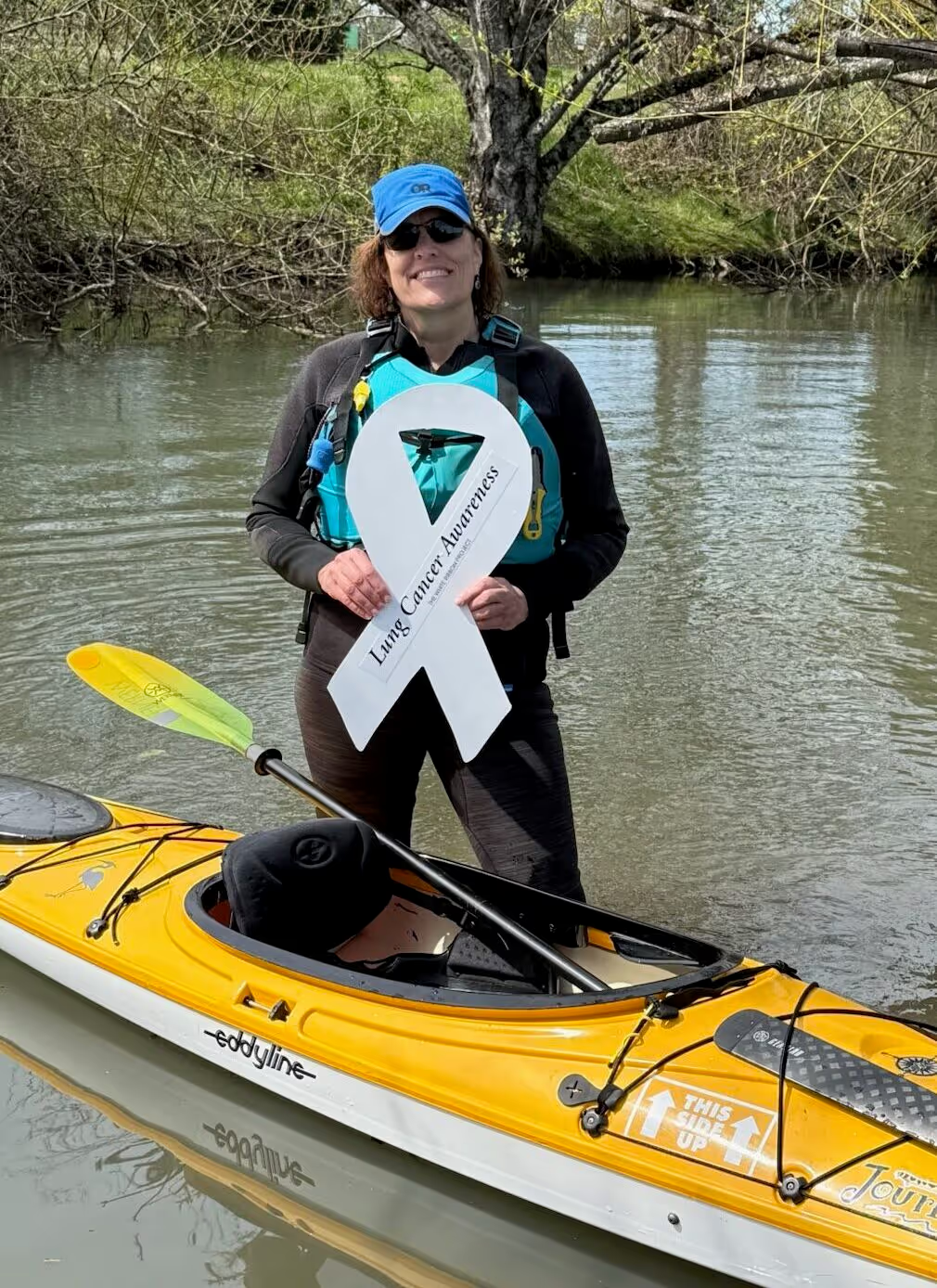
As we recognize Lung Cancer Awareness Month this November, Eva hopes more people will join her in challenging stigma, supporting research, and amplifying awareness that anyone with lungs can get lung cancer. Eva knows she has much to learn about advocacy, but her experience as a teacher and advocate for her son gives her confidence. “If my voice helps one person understand that anyone with lungs can get lung cancer, that’s a win. That’s how movements shift.” As she prepares for her first Voices Summit, Eva is stepping fully into her role as a lung cancer advocate—an all-American teacher using her voice to change the narrative, increase federal research funding, and help build a stronger, more supportive community for people at risk for and living with lung cancer.
October 1, 2025
It’s heartbreaking that our elected leaders can’t find common ground on something as important as the health and well-being of the cancer community. A government shutdown once again puts vital lung cancer research and access to care at risk. This is research that offers real hope for earlier detection, better treatments, and cures. When progress is delayed, it’s patients and families who pay the price. But we also know the strength of our lung cancer community. We stand together, and we won’t let setbacks silence us. We will keep advocating for restored and increased funding for a dedicated pipeline for lung cancer research. Together, we will keep our voices strong because this is about more than funding. This is about saving lives, improving quality of life, and moving closer to the cures we all urgently need and deserve.