
Blog
Whether you're navigating a diagnosis or supporting someone who is, our blog is here to inform, inspire, and connect. Discover stories of hope, expert insights, and the latest updates in lung cancer care—all in one place.

Use the search box or filter buttons above to find a blog that interests you.
Learn about local and national events where you can connect, raise awareness, and support the lung cancer community.
Find practical advice, emotional support, and resources to help you or your loved one cope with the challenges of living with lung cancer.
Find practical advice, emotional support, and resources to help you or your loved one cope with the challenges of living with lung cancer.
Stay informed about the policies that impact the lung cancer community and ways you can get involved.
Explore breakthroughs and ongoing studies in lung cancer research, from clinical trials to cutting-edge therapies and prevention.
Catch up on highlights from our newsletter, featuring stories, resources, and upcoming opportunities to engage.
Explore news and updates shaping the lung cancer landscape—from scientific breakthroughs and organizational milestones to awareness campaigns and community highlights.
March 11, 2026
Small cell lung cancer (SCLC) accounts for about 15 out of every 100 (15%) lung cancer cases. After decades of bery few changes in the treatment of SCLC, there are now more treatment options, which have shifted the standard of care and bring renewed hope. Whether you’ve just been diagnosed with SCLC or are further down your treatment path, it’s important to know all of your treatment options so you can make informed decisions about your care.
SCLC stages
SCLC treatments are approved for use at different stages of the disease. While many cancers are divided into 4 stages: 1 (I), 2 (II), 3 (III), and 4 (IV) according to the size and location of tumors, SCLC is usually divided into 2 stages.
- Limited-Stage SCLC: Includes stages 1-3 (I-III), when the cancer is on one side of the chest and has not spread very far.
- Extensive-Stage SCLC: Includes stage 4 (IV), when the cancer has spread beyond one side of the chest to other lung areas, lymph nodes, and/or distant organs.
Your specific treatment options will be based on the stage of lung cancer, your previous treatments, the location of lung cancer in the body, and your overall health.
Limited-stage SCLC treatments
In limited-stage SCLC, approved treatments may include one or more of the following:
- Chemotherapy + Radiation: This is the most common treatment for limited-stage SCLC. Giving chemotherapy and radiation at the same time often works better, though you may receive them one after the other, depending on your overall health.
- Chemotherapy kills fast-growing cells in the body, like cancer cells, and is given in repeated cycles, often over several months. Two chemotherapy medicines (etoposide plus either carboplatin or cisplatin) are combined to treat SCLC.
- Radiation therapy (chest radiation) uses high-energy beams to kill or shrink cancer cells or prevent them from spreading.
- Immunotherapy: Checkpoint inhibitors are a type of immunotherapy that activate your immune system to find and fight cancer cells. Imfinzi (durvalumab) is the checkpoint inhibitor approved for use after chemotherapy and radiation are completed if cancer has not spread.
- Surgery: Removing cancer through surgery may be an option if it’s found very early. The surgeon will often also remove and examine nearby lymph nodes to ensure the cancer has not spread.
Extensive-stage SCLC treatments
In extensive-stage SCLC, your first treatment(s) after diagnosis may include 1 or more of the following:
- Chemotherapy: The same chemotherapy drugs used in limited-stage SCLC (etoposide plus carboplatin or cisplatin) may be used as initial treatment for extensive-stage SCLC.
- Immunotherapy: Imfinzi (durvalumab) or Tecentriq (atezolizumab) are the checkpoint inhibitors approved for use during or after chemotherapy is complete.
- Radiation therapy: This treatment may be used to treat areas in the body that didn’t respond to other treatments, or to relieve symptoms. There are also specialized types of radiation used to treat SCLC that has spread to the brain.
If your scans show that the cancer has completely or partially responded to your last round of chemotherapy, or if the cancer is stable and not growing, your healthcare team may discuss starting maintenance therapy. This is the continued use of certain treatments with the goal of keeping cancer from growing. Approved maintenance treatments for extensive-stage SCLC include:
- Immunotherapy: The checkpoint inhibitors, Imfinzi (durvalumab) or Tecentriq (atezolizumab) may be used after chemotherapy is complete as long as they continue to be effective.
- Tecentriq (atezolizumab) combined with Zepzelca (lurbinectedin): Recent studies have shown that Tecentriq (atezolizumab) combined with the chemotherapy drug Zepzelca (lurbinectedin) is more effective as maintenance therapy than Tecentriq (atezolizumab) alone.
Treatment options if SCLC grows or spreads
If your scans show that SCLC has grown or has spread while on your current treatment, a different treatment will be needed. Your healthcare team will talk to you about your options, including well-established treatments, newly approved treatments, and clinical trials. Your options may include one or more of the following:
- Immunotherapy: T-cell engagers are a different type of immunotherapy that work by bringing immune cells together with cancer cells to help activate your immune system and destroy the cancer cells. Imdelltra (tarlatamab) is currently the only approved T-cell engager for SCLC and is the current standard of care when the cancer has grown or spread following chemotherapy.
- Chemotherapy: Your treatment options depend on the type of chemotherapy used previously and how long ago it was. There are several chemotherapy options for SCLC.
- Radiation therapy: There are different types of radiation therapy that may be used to treat specific areas of the body or to relieve symptoms and improve quality of life.
Clinical trials
A clinical trial is a type of research study that tests new treatments or old treatments in new ways to learn how well they work and how safe they are. It’s always a good idea to discuss clinical trials any time a new treatment is needed, including when you are first diagnosed. You can talk to your healthcare team about what clinical trials may be right for you or contact our HelpLine at 1-800-298-2436 or email support@go2.org to connect with our LungMATCH treatment and clinical trial navigators.
Palliative care
Palliative care is different than hospice care. The goal of palliative care is to improve your comfort and your quality of life, no matter the stage of cancer or where you are on your treatment path. Its purpose is to prevent or treat the symptoms and side effects of lung cancer and its treatments so you can enjoy more of life.
Palliative care is especially important in advanced lung cancer. Studies show that people with lung cancer who receive ongoing palliative care beginning early in the treatment process not only have improved quality of life but also live longer.
What does this mean for you?
With ongoing research and recent advances, there is increased hope for people diagnosed with SCLC. New discoveries in SCLC treatment make it even more important to ask your healthcare team about all your available treatment options. Have open discussions with your team about what is important to you and ask questions.
If you would like to learn more about SCLC treatment options, have questions about SCLC, or need support, our SCLC program can help. Contact our free HelpLine at 1-800-298-2436 or email support@go2.org.
March 10, 2026
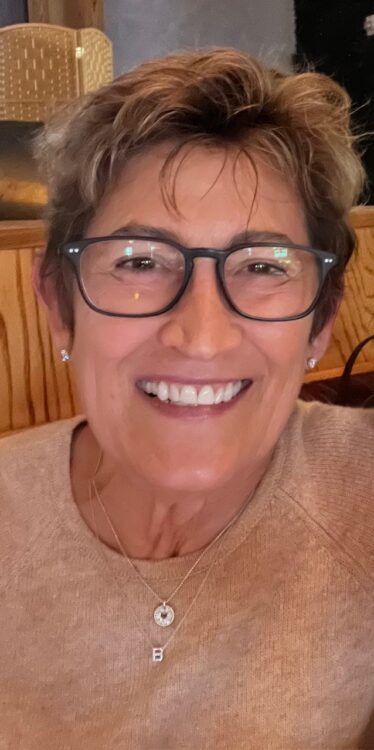
Brenda S. didn’t expect anything unusual from her visit to her primary care physician. It was the kind of routine appointment she had done many times before. It was a standard check-in, familiar questions, nothing out of the ordinary. Brenda had lived with multiple sclerosis (MS) for years and understood what it meant to manage a chronic illness, but aside from that, she considered herself healthy. Lung cancer was not on her radar.
And yet, that appointment marked the beginning of an experience that would change her life.
“You better get another opinion.”
Brenda’s experience with lung cancer stands out because it didn’t follow the path so many others know too well.
“A lot of times people are diagnosed at a pretty late stage,” she explained. “I was one of the lucky ones to get diagnosed early.”
That early diagnosis, however, didn’t come easily or immediately, and it didn’t come without persistence.
During that initial visit, something caught her doctor’s attention. Tests followed, and eventually, her doctor discovered a nodule. Brenda was told that it was benign. On the surface, that should have been the end of the story. Relief is the word most people would expect to describe that moment.
But relief wasn’t the whole truth.
“I remember just saying, please, please don’t let it be cancer,” Brenda recalled. And when she heard the word benign, she wanted to believe it completely. Yet underneath the reassurance, there was a feeling she couldn’t shake. “Deep inside, it was nagging,” she said. “It was like… I don’t know, sister, you’d better get another opinion.”
Brenda tried to move forward. Life went on. But that quiet inner voice didn’t disappear.
A gut feeling and rare early diagnosis
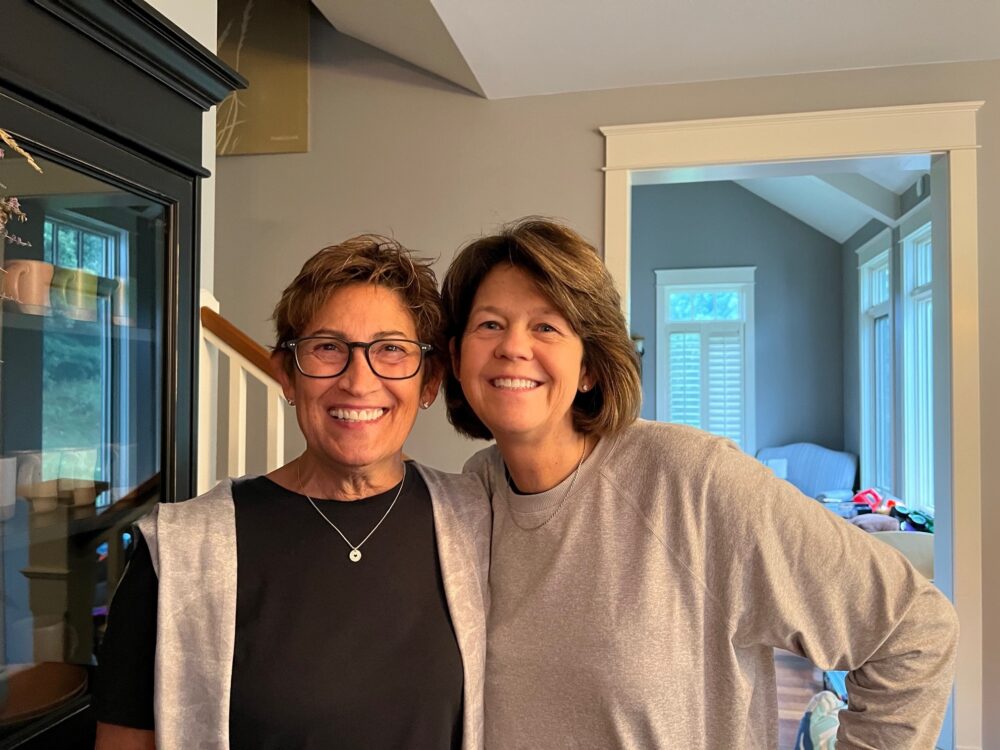
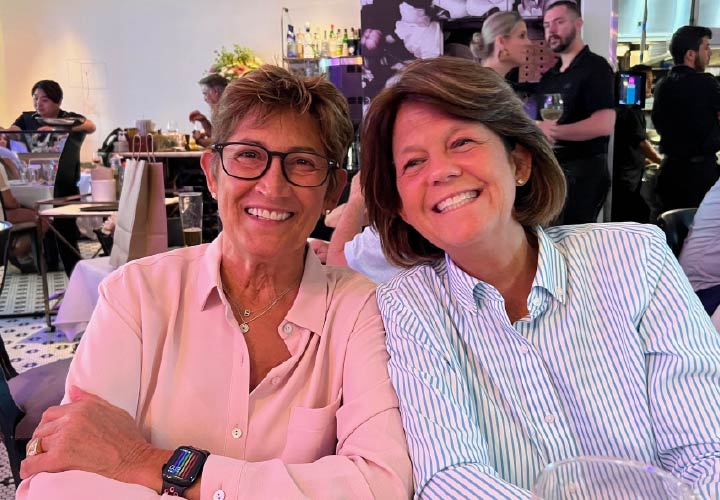
Brenda and her partner, Alice.
Nearly a year later, she developed a cough. It might have been easy to dismiss. After all, coughs are common, especially when life is busy and family visits. But that timing turned out to matter. Among the relatives in town was a nurse, someone trained to notice what others might overlook. She pulled Brenda’s partner Alice aside and said plainly: “This needs to be checked.”
That moment was pivotal.
Brenda listened. She followed up. And this time, the outcome was different.
The cancer was found early, something Brenda doesn’t take lightly. Early detection gave her options, time, and the ability to approach treatment without the urgency and limitations that come with a late-stage diagnosis. She knows how rare that is in lung cancer, and she doesn’t call herself lucky casually.
Her story is a reminder that diagnosis is not always a single moment, but a series of decisions—some small, some difficult—that add up. It’s about trusting medical expertise, yes, but also trusting yourself. Brenda’s experience underscores how critical self-advocacy can be, especially when something doesn’t sit right, even if the initial answer seems reassuring.
Living fully

Beyond her diagnosis, Brenda is someone defined by far more than cancer. One of the joys woven throughout her life has always been singing. Whether performing when she was younger or sharing music in more personal settings, singing has long been part of who she is. Today, Brenda has found her way back to jazz singing, a return that feels especially meaningful. Being back in that space, reconnecting with music and performance, has brought her renewed joy and vitality. Singing is an expression of creativity, resilience, and presence, qualities that carried her through uncertainty and continue to ground her now.
Cancer has a way of narrowing focus, of making life feel smaller. Brenda’s story pushes back against that. It’s not just about what she faced, but about how she continues to live fully, with gratitude and purpose. Returning to jazz is not about going back to who she was before but embracing who she is now. She speaks openly, not because the moments leading to her diagnosis were easy, but because she hopes her experience might help someone else pause, ask another question, or seek a second opinion when something feels off.
She’s also quick to express appreciation for her doctors, for her family, and for the advocates and organizations working to change the lung cancer narrative. “Thank you to GO2 for Lung Cancer for the work you are doing,” she said. “I’m here, whatever I can do.”
Brenda’s experience is a powerful reminder that early detection saves lives, that listening to your instincts matters, and that sometimes the most important voice to hear is the quiet one telling you to look again.
GO2’s HelpLine is a free, one-on-one service that connects patients and caregivers with experienced staff who can provide guidance, resources, and, most importantly, hope. Whether it’s questions about getting a second opinion, biomarker testing, screening, treatment options, or simply needing someone to listen, the HelpLine is here to make sure you know you are not alone. Call 1-800-298-2436 or email support@go2.org to get started.
March 3, 2026
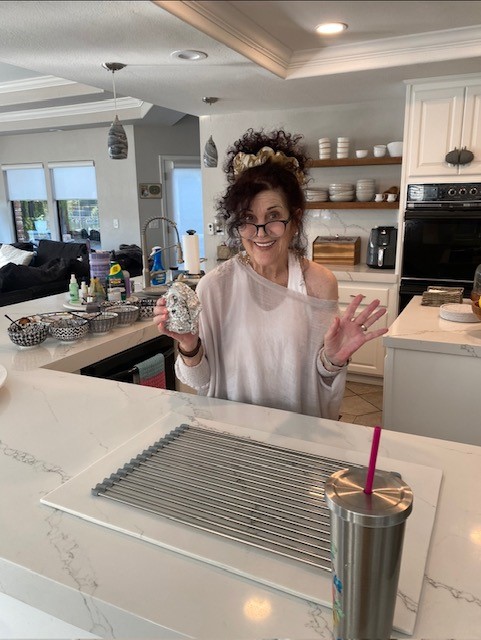
When Rachel S. talks about her mom, Jan, you can still feel the energy she brought into every room. Jan was hilarious, dramatic in the best way, endlessly curious, and deeply kind, the type of person who made everyone feel special. She loved through food, through knitting, and through gathering people together.
In late September 2024, Rachel and her family were blindsided by a stage 4 (IV) lung cancer diagnosis. Just months later, on January 17, 2025, Jan passed away. The loss was sudden and devastating, but her spark never faded.
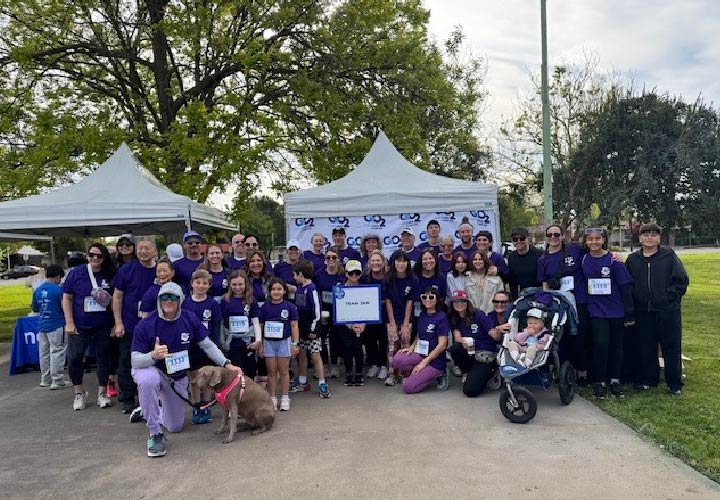
Today, Rachel and her family honor Jan’s life by coming together each year at GO2’s Sacramento 5K Walk/Run in her memory, turning grief into connection and action. We sat down with Rachel to learn more about her mom’s life, legacy, and the impact she continues to have on everyone who loved her.
Tell us about Jan
If I were introducing my mom at a gathering, there’s a strong chance people would already know her – or she would have already made herself known. She was genuinely hilarious. The kind of person who could tell a story and have an entire table crying with laughter. She was loud in the best way, dramatic, animated, obsessed with true crime, and completely unafraid to strike up a conversation with anyone. People loved her. I mean truly loved her. She had fans. But underneath all of that personality was someone deeply kind and interested in people. She made you feel special. That was her magic.
What were some of the things she was most passionate about – hobbies, traditions, routines, or little quirks that made her her?
After I left for college, her best friend taught her to knit. That turned into hundreds of beanies and blankets for family, friends, grandchildren – even cancer organizations. She was also the quintessential Jewish mom – an incredible cook and host. Holidays and gatherings at our house were sacred. Feeding people was how she loved them.

Can you share a moment or memory that feels especially representative of who she was?
My mom would move mountains for my sister and me. In 1998 she surprised us with Backstreet Boys tickets and a trip to Las Vegas – and then surprised us again with a second night and front row seats. That kind of over-the-top joy was so her. After she passed, they announced a Vegas residency, and my dad, sister, and I went. It felt like she made it happen.
When she was diagnosed, what do you remember most about that time – emotionally or practically — for your family?
It was a living nightmare. One day she was healthy, and the next we were told it was stage 4 (IV) lung cancer. By the time we had answers in late September, tumors had fractured her spine, and she was in bed until she passed on January 17, 2025.
Everything was hard. She couldn’t move, so every appointment required enormous coordination. We were incredibly fortunate to have neighbors and lifelong friends who stepped up in extraordinary ways.
Even with that support, it was overwhelming. There are so many unknowns with a diagnosis like this, which is why guidance and community around lung cancer matter so much.
How did she approach life in the months that followed her diagnosis?
She was still herself. Sassy. Funny. Curious. Even from bed, she wanted to know all of the gossip. She still made jokes. That spark never left her.
What kind of impact did she have on her family, friends, and neighbors?
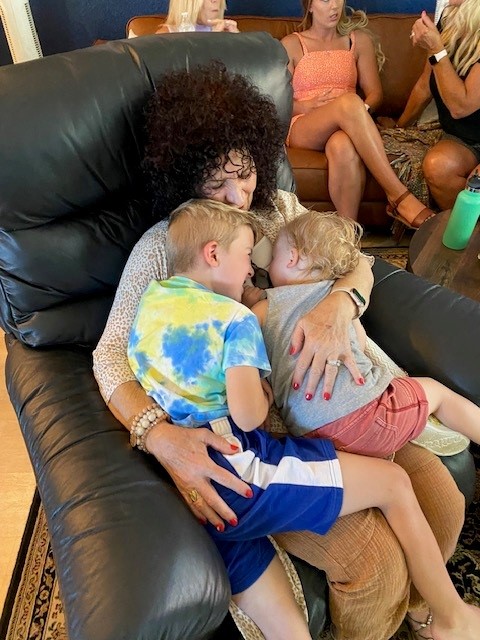
The number of people who showed up for her and for us told me everything I needed to know about her impact.
She built real relationships. With neighbors. With lifelong friends. With our friends. With people she met once and somehow remembered forever. She made people feel seen and important. That kind of energy doesn’t disappear.
Since her passing, how have you seen her legacy live on in your family or community?
Her knitting is everywhere. Her recipes are still in rotation. We still host. We still gather.
But more than anything, she changed how we live. There’s a depth now. A perspective you don’t get unless you’ve experienced loss like this. We don’t sweat the small stuff the same way anymore.
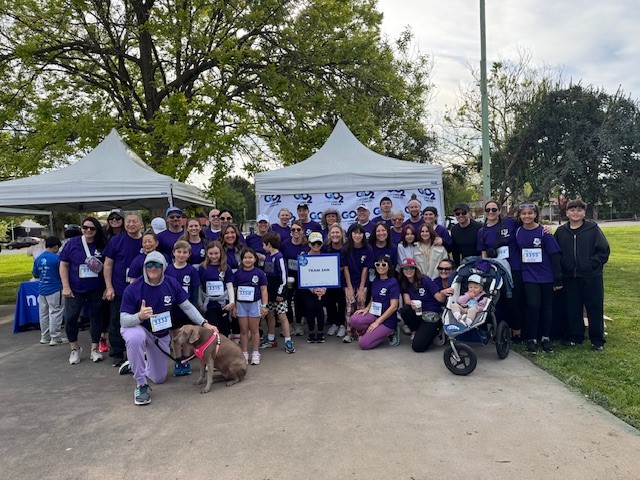
Can you describe what motivated you to participate in GO2’s Sacramento 5K Walk/Run in her honor?
Grief is disorienting. I needed community and I needed direction. I needed to turn heartbreak into action. If I couldn’t save my mom, I wanted to help save someone else’s. Leading the 5K in her honor felt like the most meaningful way to do that.
What does it mean to you to have family and friends come together at this event to celebrate her life?
We formed our team just a month after she passed. It was still so raw, but we needed it.
Seeing that many people show up for her – walking, donating, wearing her name – was incredibly healing. It reminded us how much she meant and that we were helping fund real progress in her honor.
How does this event help shift the narrative around lung cancer from loss and stigma to community, celebration, and hope?
Cancer is everywhere. It’s happening younger. It’s happening to nonsmokers. It’s happening to people who “did everything right. “Events like this help dissolve isolation. They replace stigma with community. They remind families that they are not alone. And, they fund real progress.
Grief can be incredibly lonely. This makes it collective, and collective grief can become collective hope.

If you had to sum up what you hope readers understand about your mom, what would you want them to take away?
There will never be enough time with the people we love. My mom lived loudly, generously, and with joy. I hope people step away from the noise of daily life and remember that right now is what we have. Don’t wait to show up. Don’t wait to say the thing. Live bigger while you can.
Honor your loved ones by joining a GO2 5K Walk/Run near you, or by starting your own team. Every step helps fund programs, research, and resources that ensure no one faces lung cancer alone. Find an event and join us!

March 3, 2026
At GO2 for Lung Cancer, helping patients and families is at the heart of what we do. Our support services connect people to trusted information, help them navigate care, and offer guidance during difficult moments.
At the same time, GO2 also works behind the scenes on health policy. This work focuses on the laws and decisions that shape whether people can get screened, see the right specialists, afford treatment, and receive follow-up care. Together, direct support and policy advocacy help ensure that people affected by lung cancer can get the care they need when they need it.
Expanding access to lung cancer screening
Early detection saves lives. That’s why expanding access to lung cancer screening is one of GO2’s top priorities.
Rules about who qualifies for lung cancer screening can make a big difference. These guidelines decide who is eligible for low-dose computed tomography (LDCT) scans and whether insurance covers the cost. When screening rules are too narrow or outdated, some people who are still at high risk may not be able to get screened.
GO2 is closely engaged as national screening recommendations come up for review. These reviews are important opportunities to update guidelines based on new research and real-world experience. Today, some individuals—such as certain people with a smoking history—may still face a higher risk of lung cancer but do not meet current screening criteria.
GO2 also works to ensure that Medicare coverage keeps pace with updated screening guidance. This is especially important for older adults who are more likely to develop lung cancer. When coverage rules do not match current medical guidance, people may face delays or barriers to screening that could help detect cancer earlier.
Through ongoing advocacy, GO2 works to ensure that lung cancer screening guidelines and coverage policies reflect current real-world evidence and updated clinical guidelines, so more people who could benefit from screening are able to access it.
Ensuring access to timely diagnosis and biomarker testing
Screening is only the first step in the lung cancer care experience. When a suspicious finding appears on a scan, patients need timely diagnostic evaluation and testing to determine the best path forward.
An important part of this process is biomarker testing, which analyzes a tumor’s genetic features to help doctors identify treatments that may work best for a specific patient. Many modern lung cancer treatments depend on these results, making timely access to testing critical for guiding treatment decisions.
GO2 works to improve access to biomarker testing through both policy and system-level efforts. This includes supporting state legislation that helps ensure insurance coverage for biomarker testing and advocating for its inclusion in state cancer plans and other cancer control initiatives.
By advancing policies and best practices that support timely and appropriate testing, GO2 helps provide patients and their care teams with the information they need to choose the most effective treatment options.
GO2 also works with national partners and policymakers to advance policies that support appropriate biomarker testing and ensure that patients across the country can benefit from the latest advances in precision medicine.
Supporting access throughout the care journey
Access challenges don’t stop after screening. Many policies affect care at every stage from diagnosis and treatment to follow-up and survivorship. GO2 works to ensure these policies support patients rather than create new obstacles.
One important tool is telehealth. Telehealth allows patients to talk with healthcare providers by phone or video, making it easier to have screening conversations, meet with specialists, manage care, and check in after treatment. For people who live far from cancer centers, have trouble traveling, or juggle work and family responsibilities, telehealth can make care more reachable.
As healthcare rules continue to change, GO2 advocates for telehealth policies that are practical, fair, and patient-friendly. The goal is to make sure virtual care remains an option, especially when it helps patients stay connected to the care they need.
Making sure the patient voice is heard
GO2 also works with other patient advocacy organizations to strengthen the patient voice in health policy discussions. By working together, patient groups can raise shared concerns and help decision-makers understand how policies affect real people.
This teamwork helps ensure that lung cancer needs are considered in broader healthcare decisions especially when policies are designed for many conditions at once but may affect cancer patients in unique ways.
Improving affordability of lung cancer treatment
The cost of treatment is a major concern for many people facing lung cancer. GO2 closely follows changes to Medicare drug coverage and pricing rules that affect how much patients pay for their medications.
Recent changes to federal law are reshaping how prescription drug costs are handled under Medicare. GO2’s policy work focuses on making sure these changes truly help patients afford their medications without limiting access to the treatments their doctors recommend.
By monitoring how new rules are put into practice, GO2 works to identify and address any unintended consequences that could make it harder for patients to get the care they need.
Addressing insurance barriers when they arise
Sometimes, even when guidelines and policies are in place, insurance coverage decisions can still create problems for patients. When this happens, GO2 speaks up.
GO2 engages directly with health plans when coverage rules or restrictions limit access to needed cancer treatments, especially for people with rare or specific types of lung cancer. These efforts focus on ensuring that coverage decisions keep pace with medical advances and recognize that different patients need different treatments.
This kind of targeted advocacy helps reinforce a simple but important message: cancer care should be guided by medical evidence and individual patient needs—not one-size-fits-all rules.
One goal: Helping patients get the care they need
Whether providing direct support to patients, advocating for expanded screening, protecting access to care tools like telehealth, working to improve affordability, or addressing insurance barriers, GO2’s work is guided by one goal: helping people affected by lung cancer access timely, high-quality care.
Some of this work happens behind the scenes, but its impact is felt every day. GO2 remains committed to supporting patients and families—both through direct services and through advocacy that helps make the healthcare system work better for everyone affected by lung cancer. Learn more about our advocacy work.
March 3, 2026

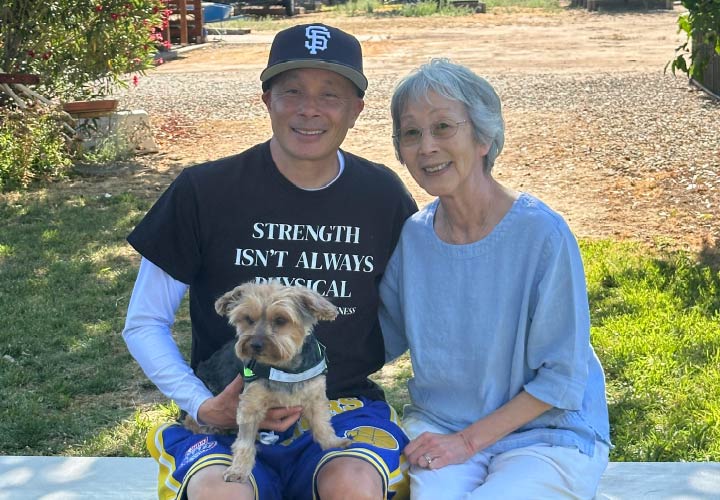
Glen lives in Hercules, CA with his Yorkie, Kuma, where he moved in 2021 to be closer to family and friends. After nearly 20 years working in the probation department, he retired at the beginning of the pandemic and began volunteering at the East Bay SPCA. What started as a way to give back quickly turned into a full-time job. These days, you’ll often find him on his daily walk to Starbucks or visiting his mom, who lives just 15 minutes away.
Jeffrey B. Velotta, MD, FACS is a thoracic surgeon at Kaiser Permanente’s Oakland Medical Center, a Clinical Professor in the Department of Clinical Science at Kaiser Permanente’s Bernard J. Tyson School of Medicine, and a clinical assistant professor in the Department of Surgery the UCSF School of Medicine. Dr. Velotta went to medical school at George Washington University. He then completed his general surgery residency at UCLA Medical Center. During this time, Dr. Velotta also completed his postdoctoral research in the Department of Cardiothoracic Surgery at Stanford University School of Medicine. Following this, he completed his training in Cardiothoracic Surgery at Brigham and Women’s Hospital and Harvard Medical School. Dr. Velotta’s clinical and research interests involve innovative techniques and regionalization pathways for all thoracic cancers and improving lung cancer screening in at-risk populations.
When Glen first noticed chest pain in the fall of 2024, lung cancer wasn’t on his radar. He was in physical therapy at the time and assumed the discomfort was muscular and temporary. But 1 test led to another, and by December, an X-ray raised concerns that couldn’t be ignored.
On December 24, 2024, Glen had a biopsy. Four days later, he received a phone call confirming cancer.
“I didn’t know what stage I was or much about what I was even being diagnosed with,” Glen recalls. “I just know it turned my world upside down.”
Glen didn’t have a smoking history, and there was no history of lung cancer in his family. Yet here he was, grappling with a diagnosis he never expected and didn’t yet fully understand.
Hearing the worst news, but not much else
Glen remembers little of the conversation that followed his diagnosis. His oncologist delivered the news with compassion, giving him permission to react however he needed.
“She said, I’m telling you the worst news I could possibly tell you. It’s okay if you get upset, scream, or cry. I’m here,” he says.
But like many patients in that moment, Glen fixated on 1 question: How long do I have to live? “I wasn’t really hearing anything else,” he says. “My best friend was with me, taking notes. I’m glad she was there because I don’t remember much of what was said. I could only think about my prognosis.”
In the days that followed, Glen did what so many people do, he went online. And almost immediately, he regretted it. “That was the worst thing I could do,” he says. “You Google stage 4 (IV) lung cancer and life expectancy, and the first article you see tells you that this is really bad news. You don’t even need to read the rest.”
Treatment, side effects, and a growing sense of fear
Glen began treatment quickly. His first regimen included radiation to his brain and chest and an infusion therapy that caused repeated breathing reactions. After 4 reactions across 2 sessions, his care team stopped the drug. He later transitioned to Tagrisso (osimertinib), which he is still on today and has tolerated much better.
But emotionally, Glen was spiraling. He describes himself as generally relatively pessimistic by nature, and the statistics he’d read didn’t help. He began quietly preparing for the end, updating legal documents, organizing passwords, and making sure his affairs were in order.
A parking lot, a 5K, and an unexpected meeting
Everything began to shift at GO2’s San Francisco 5K Walk/Run. Glen attended the event almost on a whim after finding information about it online. He arrived early, sat in his car, and debated leaving. Eventually, he got out and walked toward the event, unsure why everyone seemed so happy. “This is a cancer walk,” he remembers thinking. “Why is everyone smiling?”
A volunteer noticed he wasn’t okay and introduced him to GO2’s Senior Manager, Support Programs and Events, Michele Zeh. As Glen shared how bleak he was feeling, she pointed around the room. “This person has 10 years since their diagnosis. That person has 8,” she told him.
“And I’m thinking, how is that possible? I thought people never lived that long,” Glen says.
Then Michele asked a simple question: “Do you know Dr. Velotta?”
Glen didn’t. But meeting him was about to change his life.
“Let’s get rid of the mothership”
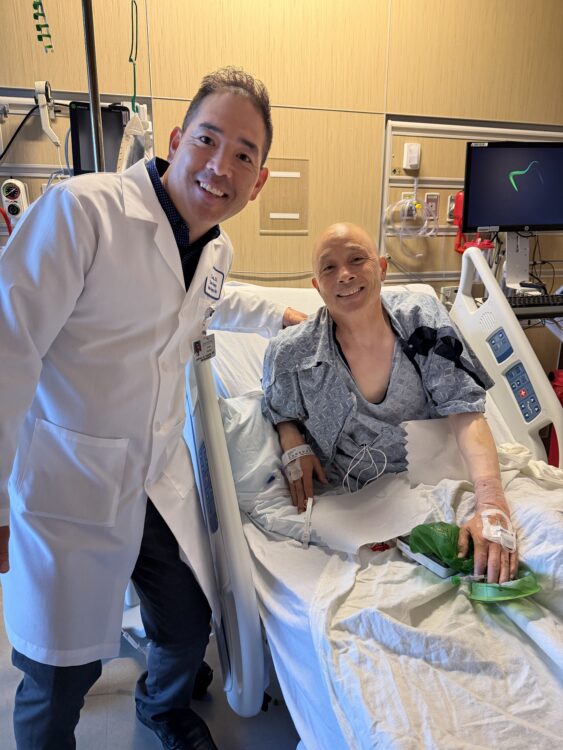
Dr. Jeffrey Velotta is a thoracic surgeon at Kaiser Permanente in Northern California, and one of only a small number of surgeons in the country willing to seriously consider surgery for patients with stage 4 (IV) lung cancer.
When Glen met him, the conversation felt different immediately. “He really cared,” Glen says. “I could tell right away how passionate he was about lung cancer and about the people who have it. It made me feel good.”
Dr. Velotta reviewed Glen’s scans and told him that he could be a good candidate for surgery, a treatment that might help his prognosis despite his stage 4 (IV) diagnosis. He explained his thinking using an analogy that stuck.
“We’ll get rid of the mothership,” he said.
The primary tumor, Dr. Velotta explained, was like a command center that was sending cancer cells elsewhere. If Glen’s metastatic disease was controlled with medication, removing the original tumor could still slow or stop future progression.
“The approach made sense to me,” Glen says. “You’re radiating my brain and my bones but you’re leaving where it all started? Why not get rid of that, too?”
Why surgery for stage 4 (IV) is still so controversial
Dr. Velotta is blunt about how unusual his approach still is. “I don’t think every patient with stage 4 (IV) lung cancer should have surgery,” he says. “But I absolutely believe that some should, including many more than most doctors currently consider.”
In addition to being younger, healthier, and generally fit, the key factor that makes someone a good candidate, he explains, isn’t the extent of the disease or the number of metastases, but whether disease outside the lung is controlled.
“Glen had multiple spots in his brain, bones, and elsewhere,” Dr. Velotta explains. “But his cancer was well-controlled through a tyrosine kinase inhibitor (TKI). That’s what people call ‘polymetastatic’ disease. Most surgery trials exclude patients like that. But that’s actually the majority of people with stage 4 (IV) lung cancer.”
Clinical trials, he notes, tend to focus on patients with 1 or 2 metastases, not because others can’t benefit, but because trials are designed to show clean, easily publishable results. This disconnect, he believes, is 1 of the reasons surgery remains underused for people with advanced disease. “That leaves most patients out,” he says. “And it leaves surgeons hesitant.”
A lonely position in the field
Even today, Dr. Velotta says the prevailing mindset around surgery for stage 4 (IV) lung cancer hasn’t shifted much. “The thinking is that it’s too little, too late. We’ve missed the chance to help these patients surgically. The idea is that the cat’s already out of the bag,” he says.
That assumption, that surgery can’t help once cancer has spread, is something he pushes back against constantly. “People get freaked out by polymetastatic disease,” he says. “They see multiple spots and think, ‘Oh my God, they’re everywhere.’ But if those spots are controlled, it doesn’t matter how many there are. Those patients can still benefit.”
Dr. Velotta acknowledges that his willingness to operate in these cases often puts him at odds with colleagues. “There is a stigma associated with operating on stage 4 (IV) lung cancer,” he says.
Even within his own health system, he is frequently the only surgeon willing to consider surgery for patients like Glen. “I feel very alone in this world sometimes,” he admits. “If these patients were all doing terribly, I would stop. But they’re actually doing really well.”
Instead, he says, many of his patients are living longer — and living well. “I’ve done this for 5 or 6 years. I’ve operated on many,” he says. “A lot of them are still alive. And even the ones who passed didn’t pass 3 months later. Some lived 6 plus years.”
Surgery as more than survival statistics
For Glen, surgery wasn’t just about controlling the disease. It was about reclaiming a sense of control over his own life. Surgery felt proactive to him, like taking control of his treatment and his future.
Dr. Velotta sees that psychological impact again and again. “You can’t quantify that on a spreadsheet,” he says. “But mentally, it matters a lot.”
Glen agrees. “I felt better from the moment I knew I was going to have surgery,” he says. “I can’t put that on paper, but I felt different. Better. It has helped my mindset immeasurably.”
Glen had surgery on November 12, 2025. It was minimally invasive, and he went home 2 days later. Within weeks, he was walking hills near his house. Then jogging. Then biking.
“I’m not back to where I was yet,” he says. “But I’m close. And I really don’t mind putting in the work.”
Pathology from his surgery showed just .5 millimeters of active cancer remaining in the tumor that was removed. “All I cared about was that it wasn’t inside me anymore,” Glen says.
NED — and what hope looks like now
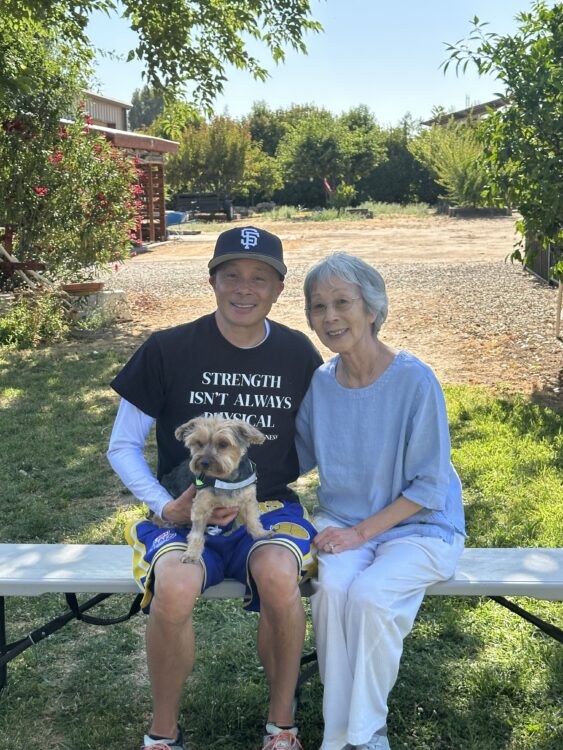
When Dr. Velotta emailed Glen with the words “NED” or “no evidence of disease,” Glen didn’t fully grasp what it meant, but others did. “When I told people at GO2, they got really excited,” he says. “That’s when I realized, oh, this is a big deal.”
Hope, he says, is everything. “Sometimes I’m still pessimistic at heart,” he admits. “But the surgery has given me so much more reason to have hope for the future, and hope is what keeps me going.”
On sharing his story
Glen hesitated before agreeing to speak publicly about his experiences with lung cancer. Talking about cancer can still pull him into dark places. But ultimately, he agreed for 1 reason.
“If this helps 1 person,” he says. “If someone like me hears this and thinks, ‘Maybe surgery is an option for me, maybe I should ask’, then it’s worth it.”
Dr. Velotta agrees. “I just want people to know that they can ask,” he says. “That’s huge progress.”
GO2’s HelpLine is a free, one-on-one service that connects patients and caregivers with experienced staff who can provide guidance, referrals, resources, and, most importantly, hope. Whether it’s questions about biomarker testing, treatment options, or simply needing someone to listen, the HelpLine is often the first step toward feeling less alone after a lung cancer diagnosis. Call 1-800-298-2436 or email support@go2.org to get started.

February 25, 2026
Lung Cancer Voices Summit Calls on Congress: Support Research. Save Lives.
Washington, D.C. — February 25, 2026 — On March 3, GO2 for Lung Cancer (GO2) will convene more than 200 people impacted by lung cancer on Capitol Hill for its annual Lung Cancer Voices Summit, elevating patient voices and urging Congress to take immediate action to address the nation’s leading cause of cancer death. With more than 230,000 Americans expected to be diagnosed with lung cancer this year, advocates are calling for increased federal investment in research that saves lives.
Participants include people living with lung cancer, survivors, caregivers, veterans, and families, alongside clinicians, researchers, and healthcare experts. GO2 is joined by partners from across the lung cancer community—including biomarker groups, research foundations, advocacy organizations, and patient-led initiatives—representing the full spectrum of expertise and lived experience. United around a shared mission, this community is meeting with lawmakers to advocate for $60 million in dedicated funding for the Lung Cancer Research Program (LCRP) in the FY 2027 federal budget and to deliver a clear message: sustained investment in lung cancer research, awareness, and support saves lives.
“People’s lives are at stake, and we need funding and support now,” said GO2 for Lung Cancer’s Co-Interim Chief Executive Officer Danielle Hicks. “We see firsthand the consequences of underinvestment. Lung cancer remains the single largest cancer killer in the United States, yet it continues to receive disproportionately low levels of federal research funding. That must change.”
Keynote speaker Christine M. Lovly, MD, PhD, FASCO, division chief of thoracic medical oncology, professor in the Department of Medical Oncology & Therapeutics Research at City of Hope, one of the largest and most advanced cancer research and treatment organizations in the United States, emphasized both the scientific urgency of sustained funding and the strength of collective advocacy.
“We are at a pivotal moment in lung cancer research and patient care,” said Dr. Lovly. “Scientific advancements are transforming how we understand and treat this disease, but progress is slowed by persistent barriers, including both insufficient funding for research and unequal patient access to the innovations that arise from our nation’s research efforts. Sustained investment in lung cancer research is essential to accelerate breakthroughs and ensure patients benefit from discoveries as quickly as possible. When the lung cancer community comes together, we create the momentum needed to drive real change.”
Despite lung cancer’s status as the leading cause of cancer-related death, federal investment in research remains inconsistent and vulnerable to shifting budget priorities. Recent funding negotiations have created uncertainty for medical research programs nationwide.
For Fiscal Year (FY) 2027, the lung cancer community is united in calling on Congress to fully restore and increase funding for the Lung Cancer Research Program (LCRP) to $60 million within the Congressionally Directed Medical Research Program (CDMRP) at the Department of Defense. This investment is essential to reverse the harmful impact of the FY 2025 Full-Year Continuing Resolution, which:
- Enacted a 57 percent reduction to overall CDMRP funding; and
- Eliminated dedicated funding for the LCRP in FY 2025.
Without restored and sustained investment, promising research may stall, innovation may slow, and patients could face delays in accessing lifesaving breakthroughs.
Reflecting on the unified voice of the summit, Dr. Lovly added, “The best testament to the value of getting this right is more family, friends, neighbors, and loved ones who are living longer with a better quality of life. Together, the lung cancer community can create better treatments and more opportunities.”
“Patients cannot wait,” Hicks said. “Every delay in funding means delayed progress, delayed treatments, and lives lost. Congress has an opportunity, and a responsibility, to act.”

February 18, 2026
On February 6th, 2026, the U.S. Food and Drug Administration (FDA) approved Median Technologies’ eyonis Lung Cancer Screening (LCS), a medical device used for the combined detection and diagnosis of lung cancer. eyonis LCS is an AI-based technology designed to support the earlier detection of lung cancer by helping clinicians identify and characterize pulmonary (lung) nodules on low-dose CT (LDCT) scans.
In performance testing, eyonis LCS demonstrated a:
- 93.3% sensitivity, which means that if 100 people actually have lung cancer, the device will correctly identify about 93 of them. In other words, the device reliably detects cancer when it is present.
- 92.4% specificity, which means that if 100 people don’t have lung cancer, the device will correctly identify about 92 of them as cancer-free. In other words, the device largely avoids false alarms.
- 99.9% negative predictive value, which means that if the device says you don’t have cancer, there’s a 99.9% chance you truly don’t have it. In other words, a negative result is highly reliable.
These outcomes demonstrate the powerful potential for eyonis LCS to be used as a tool to enhance lung screening programs by improving screening accuracy, while reducing unnecessary follow-up procedures. The ability to detect suspicious pulmonary nodules earlier may also help clinicians diagnose lung cancer at earlier stages more frequently, where patient outcomes can be significantly improved.
If you or a loved one is eligible for lung cancer screening, ask your healthcare team about eyonis LCS. For questions about lung cancer treatments, trials, or biomarker testing, contact our LungMATCH team at support@go2.org or 1-800-298-2436.
Read the FDA approval.

February 12, 2026
Innovative “SDM Circles” program integrates restorative justice practices to address medical mistrust and improve lung cancer screening among Black communities
WASHINGTON, DC – February 12, 2026 – GO2 for Lung Cancer (GO2) has received support from AstraZeneca US through its 2025 Accelerate Change Together (ACT) on Health Equity: National Strategic Collaborations for Integrating Restorative Practices to Enhance Shared Decision-Making and Uptake of Lung Cancer Screening Among Black Community Members, or SDM Circles.
The awarded initiative pilots an innovative, community-engaged approach to lung cancer screening that embeds restorative justice practices into shared decision-making conversations. The program is designed to address long-standing disparities in lung cancer screening access and outcomes driven by systemic racism, structural inequities, and medical mistrust.
Led by GO2, in partnership with healthcare systems across the Seattle and greater Puget Sound region, the initiative centers on trust-building, dialogue, and culturally responsive education. Through facilitated SDM Circles, the program creates space for healing, shared understanding, and empowerment during required screening discussions, aiming to increase knowledge, readiness, and uptake of lung cancer screening among Black community members. Findings from this pilot will inform a scalable, equity-driven model that could improve early lung cancer detection nationwide.
Although Black Americans have a lower incidence of lung cancer compared to White Americans, they experience significantly lower 5-year survival rates, and lung cancer remains the leading cause of cancer-related death among Black Americans.
“For too long, conversations about lung cancer screening have failed to account for the lived experiences, historical trauma, and systemic barriers faced by Black communities,” said GO2’s Chief Healthcare Delivery Officer Joelle Fathi, DNP, RN, ARNP, CTTS, FAANP, FAAN. “By integrating restorative justice into shared decision-making, this program meets people where they are, rebuilds trust, and creates space for honest dialogue. This funding allows us to pilot a model that doesn’t just improve screening rates but also has the potential to transform how healthcare systems engage underserved communities in meaningful, lasting ways.”
As part of ACT on Health Equity, AstraZeneca US is working to improve access, affordability, and outcomes for all people in the disease areas and communities it serves. This contribution stems from AstraZeneca US’s commitment to advancing health equity and fostering a healthy society and people by focusing on eliminating disparities in care. Funding will support community engagement, facilitate restorative SDM sessions, and conduct evaluations to assess feasibility, acceptability, and early outcomes, laying the groundwork for a scalable model that advances equitable, culturally responsive lung cancer screening.
Through ACT on Health Equity, AstraZeneca US has provided $18 million in contributions to over 160 nonprofit organizations across the country dedicated to advancing health equity by supporting community-based programming that prioritizes the social, cultural, and linguistic needs of communities that have experienced barriers to care and opportunity.

February 3, 2026
By Matthew Reiss, MSE, PhD, Manager, Precision Medicine & Navigation, GO2 for Lung Cancer
Hearing that cancer has spread to the brain or spinal cord can be a frightening, but very real outcome for many people living with lung cancer. While exact statistics are hard to pin down, recent studies suggest that about 10-40% of lung cancer patients’ cancer will spread to the brain or central nervous system.
One rare form of spread, called leptomeningeal disease (LMD), can be especially confusing because it is unfamiliar and often hard to explain in simple terms. But better understanding what LMD is and how it may be treated can help you advocate for yourself in conversations with your healthcare team.
What is leptomeningeal disease?
To understand leptomeningeal disease, it can help to picture how the brain and spinal cord are protected. In the body, these structures are wrapped in a thin layer of tissue called the meninges. Inside these layers flows a clear liquid called cerebrospinal fluid (CSF), which helps to cushion and nourish the brain and spinal cord.
Leptomeningeal disease occurs when cancer cells, such as those from the lungs, travel to, and start growing in, the meninges or in the CSF surrounding the brain and spinal cord.
How is LMD different from other brain metastases?
Many people have heard how cancer can sometimes spread from the lungs by travelling through the bloodstream to the brain, where it can begin to grow. These are called brain metastases or brain mets. Brain mets are not brain cancer, but rather lung cancer that has spread to the brain.
Leptomeningeal disease is different. While brain mets usually form as a solid tumor(s) in the brain itself, LMD involves the lining and fluid around the brain and spinal cord. Instead of a single or multiple solid tumor masses, LMD can look more like a thin coating or a pattern of streaking around/within these structures, possibly affecting many areas at once. This can make LMD harder to see on a scan and more challenging to diagnose
Because of this, symptoms of LMD can vary widely, and no 2 people experience LMD the same way. Often, symptoms include:
- Headaches
- Nausea
- Changes in thinking or mood
- Double vision
- Weakness
- Difficulty walking
- Back pain
- Numbness
This also makes LMD more difficult to diagnose. Often, an LMD diagnosis is confirmed by collectively considering the results of MRI scans, spinal fluid tests, and other clinical exams.
How common is LMD in lung cancer?
Leptomeningeal disease is not common, but it is a possibility to be aware of for individuals living with lung cancer.
For individuals with non-small cell lung cancer (NSCLC), LMD is very rare:
- Studies show that LMD occurs in about 3-5% of individuals living with NSCLC.
- It is more common in people with mutations or changes in genes such as EGFR, ALK, and ROS1.
LMD is more common, but still rare, in people living with small cell lung cancer (SCLC):
- About 2% of individuals with SCLC have signs of LMD at diagnosis.
- About 10% of individuals with SCLC have developed LMD after 2 years.
You may also sometimes hear people say that LMD diagnoses are becoming more common. While true, many researchers believe LMD is being diagnosed more often today, not only because of better scanning technology, but also because new treatments are allowing people to live long enough with lung cancer for rarer complications like LMD to occur.
Even though it’s uncommon, knowing the basics of LMD can help people better recognize symptoms early and get connected with a specialist.
The importance of seeing a specialist
Because LMD is complex, it is very helpful to work with clinicians who have experience treating it. Your doctor may refer you to a:
- Neuro-oncologist – a doctor specializing in cancers found in the brain and nervous system
- Medical oncologist with LMD experience
- Radiation oncologist – a doctor specializing in the use of radiation to treat cancer in areas such as the brain and spine
These experts work with your current healthcare team and can often open the door to more treatment options or clinical trials to help manage the cancer.
Treating LMD can also be complex. Sometimes treatments that work well in one part of the body do not work the same way or as effectively in the brain or CSF. If this happens to you or your loved one, it’s completely normal to feel overwhelmed. You can always ask your care team to slow down, repeat information, or clarify anything. Asking questions is an important way to advocate for yourself.
Current treatment approaches for LMD
Overall, the goals of treatment for people with LMD are usually to slow or control further spread of the cancer, protect quality of life, and relieve troublesome symptoms such as pain, nausea, or nerve issues.
Exactly which treatment someone receives for LMD is highly personalized, but there are several commonly used approaches:
- Targeted or systemic (whole-body) treatments: For some people who have certain genetic changes, targeted therapies or immunotherapies can be effective ways to treat LMD. For others who do not have genetic changes that can be targeted, traditional chemotherapy is often used.
- Radiation therapy: Targeted radiation may also be used to treat the specific areas of LMD that are likely causing symptoms. For others, radiation may be used more widely along the brain or spinal cord to treat LMD over a large region.
- Intrathecal therapy: In some cases, medicines such as chemotherapy are delivered directly into the spinal fluid through a small device or spinal tap. This approach allows the treatment to better access the protected part of the body where LMD is occurring, although this approach is not appropriate for everyone.
- Supportive and palliative care: This approach includes medicines and services that focus on symptom relief, mobility, and emotional support for people with LMD, rather than treating the LMD directly. Supportive and palliative care should be offered alongside other treatment approaches.
- Emerging approaches: While LMD remains a serious diagnosis, there is real progress being made in clinical trials to find new and better ways to treat LMD and improve long-term outcomes. Talk to your healthcare team about whether a clinical trial for LMD may be right for you.
Closing thoughts
Leptomeningeal disease is complicated, and it is normal to have questions. If you or someone you care about has been told they have leptomeningeal disease related to lung cancer, reach out to your care team, ask about a referral to an expert, and feel comfortable asking questions related to your treatment options. Clear information is empowering and can help you advocate for the best possible care.
If you’d like to learn more about LMD and its treatments, have questions, or need support, please contact our free HelpLine at 1-800-298-2436 or email support@go2.org.