
Listening to the Quiet Voice: Brenda S.’s Lung Cancer Story
March 10, 2026
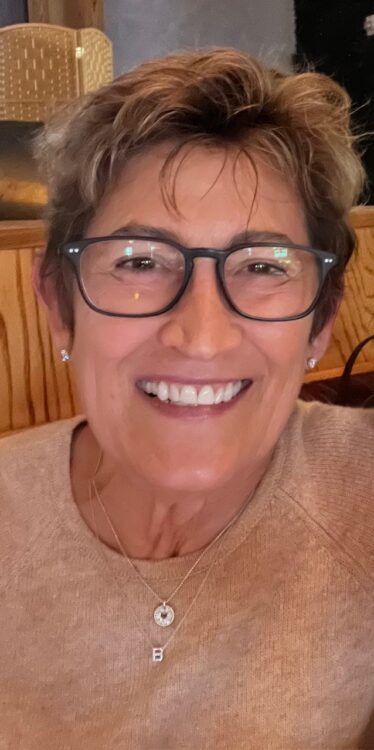
Brenda S. didn’t expect anything unusual from her visit to her primary care physician. It was the kind of routine appointment she had done many times before. It was a standard check-in, familiar questions, nothing out of the ordinary. Brenda had lived with multiple sclerosis (MS) for years and understood what it meant to manage a chronic illness, but aside from that, she considered herself healthy. Lung cancer was not on her radar.
And yet, that appointment marked the beginning of an experience that would change her life.
“You better get another opinion.”
Brenda’s experience with lung cancer stands out because it didn’t follow the path so many others know too well.
“A lot of times people are diagnosed at a pretty late stage,” she explained. “I was one of the lucky ones to get diagnosed early.”
That early diagnosis, however, didn’t come easily or immediately, and it didn’t come without persistence.
During that initial visit, something caught her doctor’s attention. Tests followed, and eventually, her doctor discovered a nodule. Brenda was told that it was benign. On the surface, that should have been the end of the story. Relief is the word most people would expect to describe that moment.
But relief wasn’t the whole truth.
“I remember just saying, please, please don’t let it be cancer,” Brenda recalled. And when she heard the word benign, she wanted to believe it completely. Yet underneath the reassurance, there was a feeling she couldn’t shake. “Deep inside, it was nagging,” she said. “It was like… I don’t know, sister, you’d better get another opinion.”
Brenda tried to move forward. Life went on. But that quiet inner voice didn’t disappear.
A gut feeling and rare early diagnosis
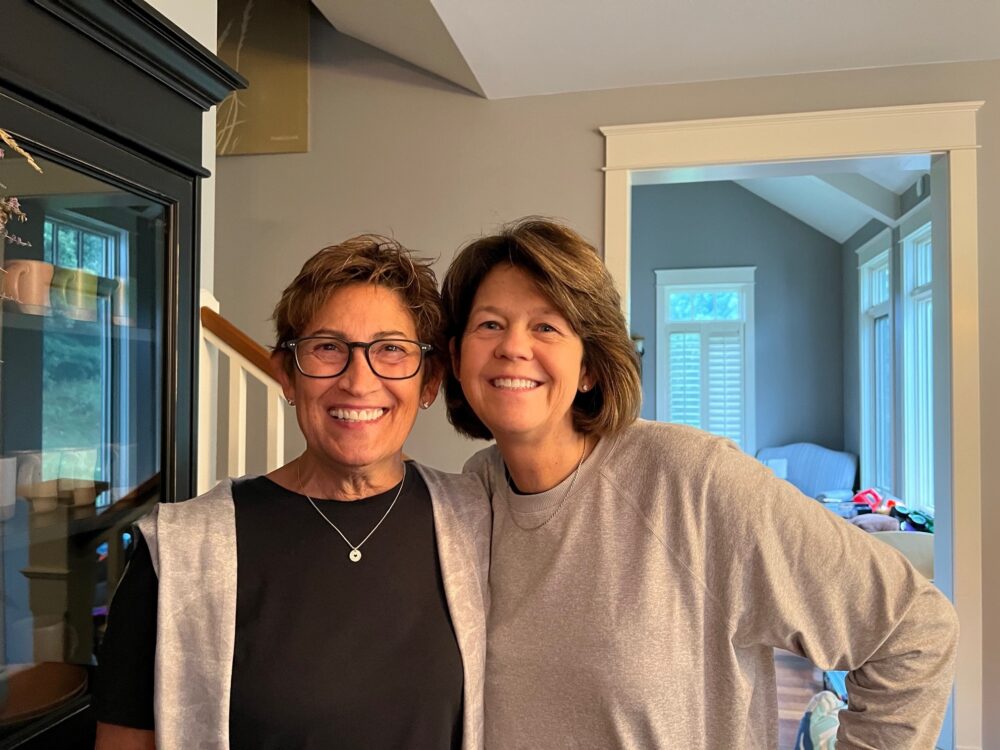
Brenda and her partner, Alice.
Nearly a year later, she developed a cough. It might have been easy to dismiss. After all, coughs are common, especially when life is busy and family visits. But that timing turned out to matter. Among the relatives in town was a nurse, someone trained to notice what others might overlook. She pulled Brenda’s partner Alice aside and said plainly: “This needs to be checked.”
That moment was pivotal.
Brenda listened. She followed up. And this time, the outcome was different.
The cancer was found early, something Brenda doesn’t take lightly. Early detection gave her options, time, and the ability to approach treatment without the urgency and limitations that come with a late-stage diagnosis. She knows how rare that is in lung cancer, and she doesn’t call herself lucky casually.
Her story is a reminder that diagnosis is not always a single moment, but a series of decisions—some small, some difficult—that add up. It’s about trusting medical expertise, yes, but also trusting yourself. Brenda’s experience underscores how critical self-advocacy can be, especially when something doesn’t sit right, even if the initial answer seems reassuring.
Living fully

Beyond her diagnosis, Brenda is someone defined by far more than cancer. One of the joys woven throughout her life has always been singing. Whether performing when she was younger or sharing music in more personal settings, singing has long been part of who she is. Today, Brenda has found her way back to jazz singing, a return that feels especially meaningful. Being back in that space, reconnecting with music and performance, has brought her renewed joy and vitality. Singing is an expression of creativity, resilience, and presence, qualities that carried her through uncertainty and continue to ground her now.
Cancer has a way of narrowing focus, of making life feel smaller. Brenda’s story pushes back against that. It’s not just about what she faced, but about how she continues to live fully, with gratitude and purpose. Returning to jazz is not about going back to who she was before but embracing who she is now. She speaks openly, not because the moments leading to her diagnosis were easy, but because she hopes her experience might help someone else pause, ask another question, or seek a second opinion when something feels off.
She’s also quick to express appreciation for her doctors, for her family, and for the advocates and organizations working to change the lung cancer narrative. “Thank you to GO2 for Lung Cancer for the work you are doing,” she said. “I’m here, whatever I can do.”
Brenda’s experience is a powerful reminder that early detection saves lives, that listening to your instincts matters, and that sometimes the most important voice to hear is the quiet one telling you to look again.
GO2’s HelpLine is a free, one-on-one service that connects patients and caregivers with experienced staff who can provide guidance, resources, and, most importantly, hope. Whether it’s questions about getting a second opinion, biomarker testing, screening, treatment options, or simply needing someone to listen, the HelpLine is here to make sure you know you are not alone. Call 1-800-298-2436 or email support@go2.org to get started.