
Blog
Whether you're navigating a diagnosis or supporting someone who is, our blog is here to inform, inspire, and connect. Discover stories of hope, expert insights, and the latest updates in lung cancer care—all in one place.

Use the search box or filter buttons above to find a blog that interests you.
Learn about local and national events where you can connect, raise awareness, and support the lung cancer community.
Explore real stories honoring survivors and those remembered through their lasting legacy. Select a category to find stories that resonate most with you.
Find practical advice, emotional support, and resources to help you or your loved one cope with the challenges of living with lung cancer.
Stay informed about the policies that impact the lung cancer community and ways you can get involved.
Explore breakthroughs and ongoing studies in lung cancer research, from clinical trials to cutting-edge therapies and prevention.
Catch up on highlights from our newsletter, featuring stories, resources, and upcoming opportunities to engage.
Explore news and updates shaping the lung cancer landscape—from scientific breakthroughs and organizational milestones to awareness campaigns and community highlights.
October 22, 2026
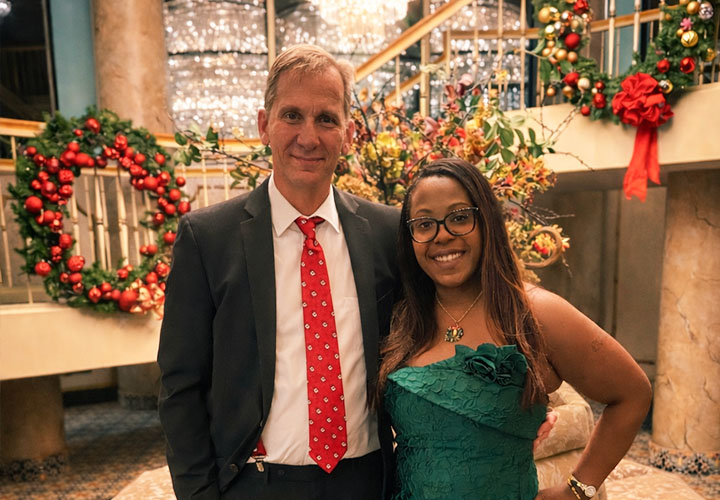
Mike lives in Eldersburg, MD, with his wife, Belinda, and their teenage daughter. A longtime entrepreneur, he has spent more than 20 years in the vehicle graphics industry and currently operates businesses specializing in commercial fleet graphics and graphics removal. Mike is a U.S. Army veteran with a degree in anthropology and, in his spare time, enjoys traveling, playing guitar, scuba diving, spending time in nature, and, most importantly, spending time with his family and his Border Collie, Diamond.
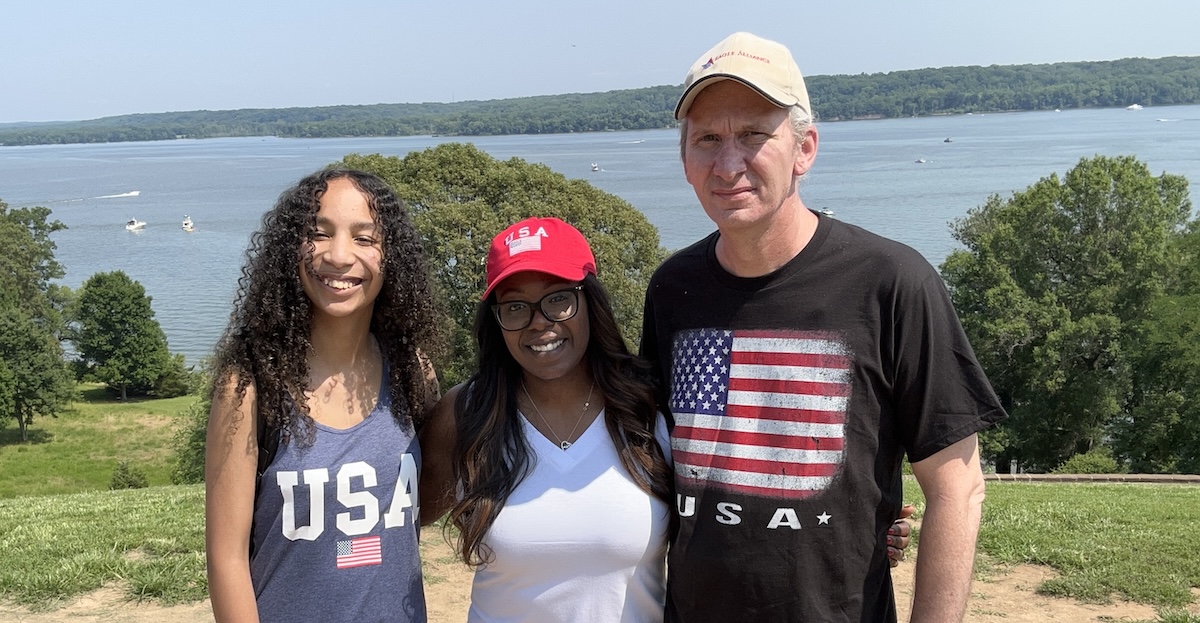
Mike has plans. He wants to take his family to Utah and see the Rocky Mountains. He plans to watch his daughter graduate from high school. Someday, he hopes to meet his grandchildren.
None of those plans might sound remarkable, but to Mike they are. Three years ago, at age 49, he was diagnosed with small cell lung cancer (SCLC). And because of that, for a while he stopped imagining much of a future at all.
Today, however, he describes the difference simply: "There's a horizon now."
A pain that wouldn’t go away
In the summer of 2023, Mike was 49 years old. He was healthy and busy running his vehicle graphics business in Maryland when his shoulder started hurting. He had been wrapping a fleet of tractor trailers which often required intense physical work, so a sore shoulder didn’t seem particularly alarming.
His doctor initially prescribed steroids. When those didn’t help, they tried another medication. The pain persisted, so his doctor eventually ordered an X-ray.
The scan showed a cloudiness in Mike’s lung. He was referred to a pulmonologist, whose office initially told him the next available appointment was 7 months away. Mike, who had rarely needed medical care in his life, thought little of it.
An hour later, the office called back asking if he could come in that afternoon.
“That place that had an appointment 7 months out wants to see me today,” Mike remembers telling his wife. “That can’t be good.”
The pulmonologist told Mike they suspected lung cancer. A CT scan revealed a roughly 10-centimeter Pancoast tumor, a tumor that occurs at the top of the lung, which can cause shoulder pain. A PET scan and biopsy followed.
A diagnosis of SCLC
At first, Mike’s doctors believed he had non-small cell lung cancer (NSCLC). The plan seemed relatively straightforward: surgery to remove part of his lung, followed by recovery.
Mike approached it with a plan, like he approached most things. He found a surgeon who performed minimally invasive robotic surgery and started running at the track every day so he would be in the best possible shape for the operation.
Then the biopsy came back. It revealed that Mike actually had small cell lung cancer (SCLC), rare in a Pancoast tumor.
“And then everything changed,” he said.
SCLC accounts for a smaller proportion of lung cancer diagnoses than NSCLC and behaves differently. For Mike, the most immediate difference was that surgery was no longer an option. Instead, he would undergo 4 rounds of chemotherapy and 33 radiation treatments.
The conversation about his future changed too. One doctor told him he had only ever known one woman with SCLC who lived 10 years and advised Mike to write a will.
“I said, ‘Dude, I’m 49 years old,’” Mike recalled. “You’re not giving me any hope here.”
Mike knew almost nothing about lung cancer at the time. In fact, before his diagnosis, he hadn’t realized how many kinds of cancer or treatments for cancer there were. Suddenly, he was trying to learn about a disease he had barely heard of while confronting statistics and conversations that made him wonder whether he had much of a future at all.
Mike became so convinced that his future might be short that he made an unusual plan for his first post-treatment PET scan. He had discovered something called a “tsunami pod,” a protective ball designed to withstand extreme forces. If his scan showed that the cancer was still there, Mike decided he was going to buy one, climb inside, and go over Niagara Falls.
“I hoped to survive the Falls,” he said. “But I also felt like, if I don’t, I don’t.”
He researched it. He posted about the plan on Facebook. He was serious. Fortunately, he never had to find out whether the tsunami pod would work.
“I didn’t have to do it,” he said.
His post-treatment scan brought good news: Mike’s treatment was successful.
Although the tumor itself remains visible on his scans, it is no longer active. Because it is entangled with nerves in his brachial plexus (the nerves near his shoulder and collarbone), the shoulder pain that first sent him to the doctor 3 years ago has also never completely disappeared.
Mike has found his own way of thinking about it.
“That pain reminds me that I beat cancer,” he said. “I’m glad to be alive to be able to feel it.”
“I felt so alone”
During treatment, Mike often felt like he was navigating cancer on his own. He had imagined that after a serious diagnosis like lung cancer, someone would take charge and tell him which doctor to see, make the appointments, and guide him from one step to the next. But this wasn’t Mike’s experience.
Instead, after learning he had SCLC, he remembers being told to find an oncologist.
“I didn’t even know what an oncologist was,” he said.
His father was beside him throughout treatment, taking him to every chemotherapy appointment and sitting with him during infusions. But navigating the healthcare system itself still felt like “a DIY project” to Mike.
Mike told his family that if he got through treatment, he wanted to do something to make the experience easier for the people who came after him. Eventually, he discovered that the organizations and communities he had needed were already out there.
GO2 for Lung Cancer’s survivor stories became an important source of hope. He also connected with a Phone Buddy who had lived many years beyond her own diagnosis.
“You guys were a major part of me not flipping my lid,” Mike said.
Seeing actual people living with lung cancer offered something statistics couldn't. Real hope.
Over time, Mike found a community of survivors, advocates, and others affected by lung cancer, people he describes as “the nicest people I wish I’d never met.”
“I wish I had never had any connection with this at all,” he said. “But because of my diagnosis I’ve had the occasion to meet some of the best people I’ve ever met in my life.”
The fear of SCLC
Today, Mike helps provide that same reassurance to others. As someone who barely used social media before cancer and even had a flip phone at the time he was diagnosed, Mike is now a moderator of a large lung cancer Facebook group and a member of two SCLC groups (the Small Cell SMASHERS and the Small Cell Lung Cancer Support Community) where he helps others who have received a SCLC diagnosis find accurate information and support.
He has noticed a particular fear among people newly diagnosed with SCLC.
“They tend to be convinced that it’s absolutely going to come back,” he said.
People don’t necessarily ask if their cancer will recur, Mike says, they focus on when. They ask others how long it took before their cancer recurred. Someone who has been cancer-free for 8 months might ask when they should expect the cancer to return or whether they’ll make it to the following year.
Mike understands that fear because he lived it. But now, 3 years after his own diagnosis, he knows that sharing his own experience can help show them that recurrence isn’t inevitable.
Fighting misinformation and stigma
Mike has also become passionate about helping people find reliable information. Before his diagnosis, he readily believed claims about alternative cancer treatments. Immediately after learning he had lung cancer, he began looking into some of them himself.
Once he started researching, he realized how unreliable online information can be.
Today, Mike often finds himself warning newly diagnosed people about misinformation, unproven treatments, and scammers who prey on people when they are frightened and vulnerable. He is committed to helping people make informed decisions about their care despite the flood of health misinformation online.
He is equally outspoken about stigma, another problem people with lung cancer know well.
When Mike was receiving radiation, another patient asked what kind of cancer he had.
“Lung cancer,” Mike answered.
“Oh, well, did you smoke?”
Mike responded by asking the man, who had colon cancer, whether he had eaten a bad diet. The man was offended.
“You did exactly the same thing to me,” Mike told him. “I was only kidding with you, but you didn’t even consider whether your question might be rude to ask me.”
Mike knows there are risk factors for lung cancer, just as there are for many diseases. But he also knows that none of them determine who deserves compassion.
“Anybody with lungs can get lung cancer,” he said, “and everyone deserves kindness and good care.”
There’s a horizon
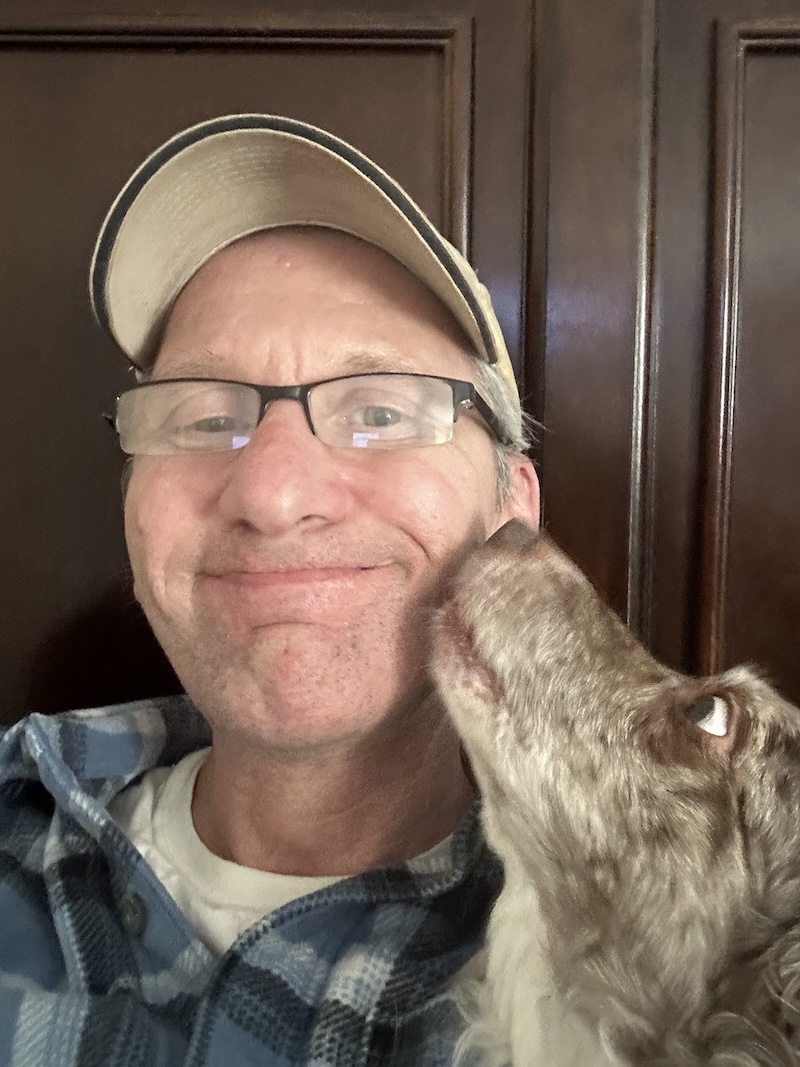
Perhaps the biggest change over the past 3 years has been allowing himself to imagine a future again. For a while, Mike and his family stopped planning things. There didn't seem to be a point.
But now, there is. He thinks about traveling. He enjoys cooking dinner with his daughter and spending time with his family. He thinks about watching her grow up.
And he looks at advances in SCLC research and treatment with hope. The treatment landscape has already changed since his own diagnosis, he notes, and there are options available today that weren't part of his treatment just 3 years ago.
That matters when he talks to someone newly diagnosed who has searched online and found frightening survival statistics.
“Everything you see is at least 5 years old,” Mike tells them. “These statistics don’t include people being treated right now.”
He knows firsthand how frightening SCLC can be. He doesn't minimize it, and he doesn't believe people need to maintain a relentlessly positive attitude to survive it. Mike himself was angry throughout much of treatment. But 3 years later, he feels differently.
“There's a horizon,” he said.
And after spending a period of his life believing there wasn't one, Mike is enjoying the opportunity to see what's beyond it.
GO2 understands the unique needs of people living with SCLC. Explore our list of SCLC resources and support groups.

October 14, 2026
Changes in memory, concentration, or thinking can happen for many reasons when you’re living with small cell lung cancer (SCLC). Understanding why these changes happen can help you know what to expect and where to turn for support.
What causes changes in memory and thinking skills?
Some people notice changes in memory and thinking during lung cancer treatment. The specific symptoms you may experience can vary based on the types of treatments you’ve received, the doses, and other health conditions you may have.
Changes in memory and thinking skills can happen for a few different reasons.
Cancer treatment itself
Chemotherapy and immunotherapy can affect memory and thinking, as can radiation therapy, but only when the brain is being treated. These changes can be milder or more noticeable, and they may come and go. Some people call this "chemo brain"; your healthcare team may call it cancer-related cognitive impairment (CRCI). Common symptoms include:
- Slower processing speed
- Difficulty planning and making decisions
- Trouble with memory and attention
- Difficulty recalling names or words
Physical, emotional, and mental stressors
Physical stressors, such as pain and fatigue, as well as the mental and emotional stress that often comes with a lung cancer diagnosis, can also affect how well your brain functions. Examples of these stressors can include:
- Low oxygen levels from lung problems
- High calcium levels in the blood
- Infections
- Medication side effects
- Anxiety or depression
- Poor sleep
Cancer that has spread to the brain (brain metastases)
This happens when cancer cells from the lung travel through the bloodstream and begin growing in the brain. It's important to know that this is not "brain cancer." It's lung cancer that has spread to the brain, and it's treated differently than cancer that starts in the brain. Because SCLC is more likely to spread to the brain, regularly scheduled brain imaging is an important part of your care. Your healthcare team can explain what type of imaging is recommended for you.
The symptoms of brain metastases depend on which part of the brain is affected, but can include:
- Speech problems (such as trouble finding words)
- Muscle weakness, pain, numbness, or paralysis
- Eye problems or trouble reading
- Seizures
- Nausea and/or vomiting
- Fatigue
- Memory problems
- Headaches
If you notice changes in your thinking, memory, or any new symptoms, the first step is to talk to your healthcare team. If the cause is brain metastases or another treatable condition, addressing it can often improve how you feel and function.
How to manage changes in memory and thinking skills
There are practical steps you can take to support your brain, whether the changes you're noticing are related to treatment, stress, or brain metastases.
Everyday habits that support brain function:
- Get enough rest: Aim for 7–8 hours of sleep.
- Stay active as you’re able: Light exercise can boost brain health.
- Eat a healthy diet: Good nutrition helps your brain work better.
- Practice relaxation: Deep breathing, music, or meditation can help lower stress.
- Challenge your brain: Games or learning something new keeps your mind active.
Strategies for managing day-to-day changes:
- Keep a notebook or phone app for to-do lists, appointments, and questions for your care team.
- Use a calendar to stay organized.
- Set reminders on your phone, with alarms, or sticky notes.
- Stick to a routine to simplify daily life.
- Break up big tasks into smaller steps.
- Do one thing at a time and reduce distractions (turn off the TV, find a quiet space).
Support and resources:
- Occupational therapy: Strategies to build independence and improve quality of life
- Cognitive rehabilitation/therapy: Techniques to improve memory and thinking skills
- Counseling: Support for stress, sadness, or anxiety that can worsen thinking difficulties
- Support groups: Connection with others facing similar challenges, and practical tips from people who understand
You are not alone
Cognitive changes and questions about brain health are common with small cell lung cancer, and you don't have to navigate them by yourself.
Contact our free GO2 HelpLine at 1-800-298-2436 or email support@go2.org for support, resources, or to learn more about our SCLC Program.
This article is intended for general education and is not a substitute for medical advice. Always talk with your healthcare team about symptoms, scans, and treatment decisions specific to your situation.

September 18, 2026
Download this blog to print or share with someone impacted by non-small cell lung cancer.
What is stereotactic body radiation therapy?
Stereotactic body radiation therapy (SBRT) is a special type of cancer treatment that uses many small beams of high-dose radiation. The beams enter the tumor at different angles and overlap to deliver a high dose of precise radiation. SBRT is also sometimes called stereotactic ablative body radiotherapy (SABR).
How is SBRT different from traditional radiation?
Traditional radiation therapy exposes a slightly broader area of healthy tissue around the tumor to radiation as compared to SBRT. It’s often delivered in small daily doses, over several weeks, allowing healthy tissue near the tumor to recover between treatments.
SBRT can be completed in a shorter time period than traditional radiation therapy. Because it delivers a higher dose of radiation that is precisely aimed at the tumor, nearby healthy tissue is less affected, resulting in fewer side effects.
Both traditional and SBRT radiation therapy may be used in non-small cell lung cancer (NSCLC).
When is SBRT used and why?
SBRT is a commonly used lung cancer treatment for both early and late-stage NSCLC.
In early-stage NSCLC, SBRT may be used along with surgery, or it may be used alone in cases where surgery is not recommended due to other medical conditions or risk factors.
In later stages of NSCLC, SBRT may be used along with other treatment types to treat a small number of metastases (cancer that has spread from the lung to other parts of the body) or to treat a tumor that has come back after prior treatment.
What are the possible side effects of SBRT?
SBRT is generally well tolerated, and most people receiving SBRT do not experience severe side effects. However, like all cancer treatments, SBRT can cause some side effects, depending on the size and location of the tumor, as well as your overall health.
Possible short-term side effects (during treatment or within the first few weeks after) include:
- Skin changes, such as dry skin or reddening
- Fatigue
- Mild cough or shortness of breath
- Mild chest discomfort
- Nausea
Possible long-term side effects (months to years after treatment) include:
- Radiation pneumonitis (Inflammation of the lung tissue near the treated site)
- Lung fibrosis (scarring) of the treated area
- Chest wall pain
Most short- and long-term side effects resolve on their own without specific treatment, while others may be managed with support from your healthcare team.
Ask your healthcare team how to prevent or manage these effects and when to seek emergency care.
Questions about SBRT for your healthcare team
- Is SBRT the best option for my specific diagnosis?
- How many treatment sessions will I need?
- Are there activities I should avoid during or after treatment?
- What side effects should I be aware of, and how should I manage them?
- Will I need other treatments, such as surgery or chemotherapy?
- How often will I need follow-up scans after treatment?
If you want to learn more about SBRT or have questions about lung cancer, please contact our free HelpLine at 1-800-298-2436 or email support@go2.org
September 17, 2026
A rare inherited mutation in the Epidermal Growth Factor Receptor (EGFR) gene is associated with a 25-fold increased risk of lung cancer, according to a study by investigators at Dana-Farber Cancer Institute and 23andMe Research Institute. The findings included de-identified, aggregated genetic data from more than 3.3 million 23andMe research-consented participants.
Among people who never smoked, carriers of the mutation were more than 60 times as likely to develop lung cancer as people without it. Researchers identified EGFR T790M as one of the strongest inherited risk factors for lung cancer discovered to date. This could have important implications for genetic testing and future lung cancer screening strategies for people who carry the mutation.
The findings were published in Science.
"Today, lung cancer screening is driven almost entirely by smoking history,” says Jaclyn LoPiccolo, M.D., Ph.D., attending physician and lung cancer researcher at Dana-Farber Cancer Institute, who co-led the study. “Our findings raise the possibility that, in the future, screening could also be dictated by inherited genetic risk. If further studies confirm the benefit, people with EGFR T790M could be identified through genetic testing and offered personalized CT screening to identify lung cancers when they are at their most curable stage."
Although most lung cancers are associated with tobacco use or exposure, the proportion diagnosed in people who have never smoked has been rising. Yet the genetic factors underlying these cancers, particularly the role of inherited risk, aren’t well understood.
In 2005, researchers identified a rare inherited mutation called EGFR T790M in a European family with multiple cases of lung cancer. Since then, the mutation has been reported in other families with unusually high rates of the disease.
"For years we've known that some families inherit a markedly increased risk of lung cancer, but because this variant is so rare, we've never been able to accurately measure that risk,” said co-senior author Pasi A. Jänne, M.D., Ph.D., Senior Vice President for Translational Research and a lung cancer specialist at Dana-Farber. “By studying more than three million people, we were able to demonstrate just how strongly this inherited mutation is associated with lung cancer."
Comparing people with lung cancer to those without the disease, the researchers examined whether EGFR T790M was more common among those who had developed lung cancer. They also analyzed people who had never smoked separately to determine whether the association persisted in the absence of tobacco use. Additional data supporting the association came from participants in the INHERIT Study (NCT05587439), led at Dana-Farber by Drs. LoPiccolo and Jänne, in partnership with GO2 for Lung Cancer (GO2) and the Addario Lung Cancer Medical Institute (ALCMI).
The researchers expected EGFR T790M to increase lung cancer risk, but they had not anticipated the magnitude of the increased risk.
“One of the remarkable findings here is just how strong an effect a single mutation can have,” said co-senior author Alexander Gusev, Ph.D., a quantitative geneticist at Dana-Farber. Dr. Gusev continued, “To my knowledge it's one of the strongest, if not the strongest, cancer risk increasing mutations that has ever been found.”
Among people who smoked, carriers of the mutation were about 10 times as likely to develop lung cancer as noncarriers. Among people who never smoked, carriers were more than 60 times as likely to develop lung cancer. This relative risk does not mean smoking is protective, the researchers explained. Because smoking already greatly increases lung cancer risk, the mutation’s effect appears smaller by comparison.
“Smoking is bad for lung cancer. This mutation is bad for lung cancer. When you do both, your risk is the sum of those two risks,” Dr. Gusev said. “So, you definitely don't want to smoke.”
The mutation was not linked to any of 17 other common cancers studied, suggesting that its effects may be largely limited to lung cancer.
Dr. LoPiccolo noted that the prevalence of the mutation in the U.S. population is about 1 in 15,000. But in certain areas of the Southeastern U.S., it can be as frequent as 1 in 2,000 people.
“We found that the vast majority of carriers inherited the mutation from the same ancestral lineage,” she said. “We could trace that lineage to British and Irish settlers in the United States and show that the mutation became enriched after a founder event and genetic bottleneck in Southern Appalachia about 200 years ago. It's a fascinating example of how human migration and genealogy can shape disease risk, generations later.”
The researchers recommend that people with several family members who have had lung cancer, multiple lung nodules, multifocal lung cancers, or ancestral roots in areas of the southeastern U.S., where the variant is more common, consult a genetic counselor. A counselor can help determine whether genetic testing and regular lung cancer screening may be appropriate.
23andMe members who participate in research were essential in driving these discoveries. The size and scale of the 23andMe database allowed researchers the opportunity to analyze data from more than 10 million 23andMe research-consented participants. They then focused on 3.3 million participants for whom both genetic and lung cancer data were available.
“We’ve built a research community where millions of people consent to take part and answer questions about their health year after year to accelerate meaningful discoveries,” said Joyce Tung, Ph.D., Vice President of Research at 23andMe. “Finding a variant this rare, measuring what it does, and tracing where it came from are three different scientific challenges, and addressing all three takes genetic and health information in one place, at scale. We're grateful for what our participants made possible here.”
“This groundbreaking discovery builds on a body of research into inherited lung cancer risk that GO2 and ALCMI helped advance,” said David Benson, Chief Executive Officer of GO2. “The more we understand about inherited risk, the more knowledge patients, families, and clinicians have to make informed decisions. For people with a family history of lung cancer, that knowledge can be incredibly powerful. We are excited to see this science continue to grow and open new possibilities for earlier detection and, ultimately, saving lives.”
As next steps, researchers hope to learn why some EGFR T790M carriers develop lung cancer while others do not, why the mutation increases the risk of lung cancer but not other common cancers, and how environmental exposures and additional genetic changes influence risk. Future studies will include more diverse populations and investigate other inherited EGFR mutations that may predispose people to lung cancer. Meanwhile, Drs. LoPiccolo and Jänne are continuing to recruit participants for the INHERIT Study to further understand the genetic risk and predispositions for developing lung cancer.
Data analyzed in the study includes participants in the Lung Cancer Genetics Study, which is funded by the Susan Wojcicki Foundation and powered by 23andMe. The Susan Wojcicki Foundation is continuing to recruit for the Lung Cancer Genetics Study, which investigates how genetics, environment, and other factors impact lung cancer risk and disease progression. Enrollment is open to anyone in the US aged 18 or older who has been diagnosed with lung cancer.
Funding for this study was provided by the LUNGevity Foundation (Career Development Award to J.L.); the Elaine & Gerald Schuster Fund for Lung Cancer Research (J.L.); the National Institutes of Health (NIH grant R01 HG012133 to A.G., NIH/National Cancer Institute grant U01 CA209414 to D.C., and NIH grant R35 CA220497 to P.A.J.); the American Cancer Society (grant CRP-17-111-01-CDD to P.A.J.); the Chen-Huang Center for EGFR-Mutant Lung Cancers (J.L. and P.A.J.); GO2 for Lung Cancer (INHERIT Study); the Addario Family; Sam and Janet Bain; the Burns Family; the Jain and Patkar Family; David Lefkowitz and Julie Persily; the Smita and Pankaj Patel Family; SITA Foundation; The Van Auken Private Foundation; the Ray B. Marglous Family Foundation in memory of Lindsey Rae Marglous; the Michele Simeone Abrecht Memorial Fund, established by Charlotte and Clifford Abrecht; the Cammarata Family Foundation Research Fund; the Zhen-Quan Xu and Lin Yuan Fund for Lung Cancer Research; and the Gohl Family Lung Cancer Research Fund.
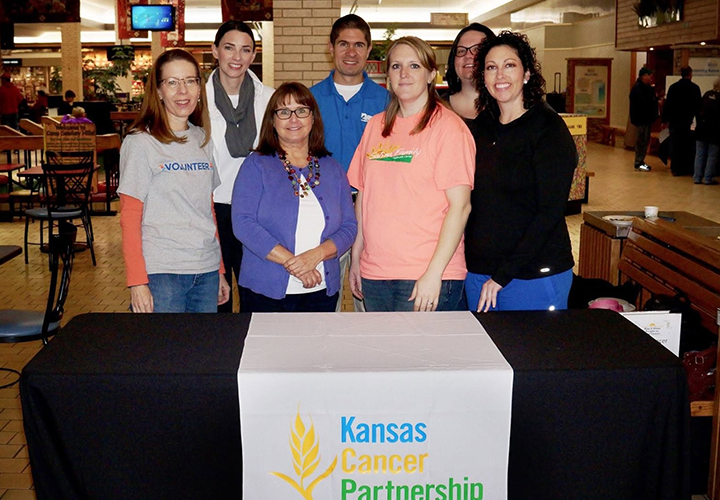
September 16, 2026
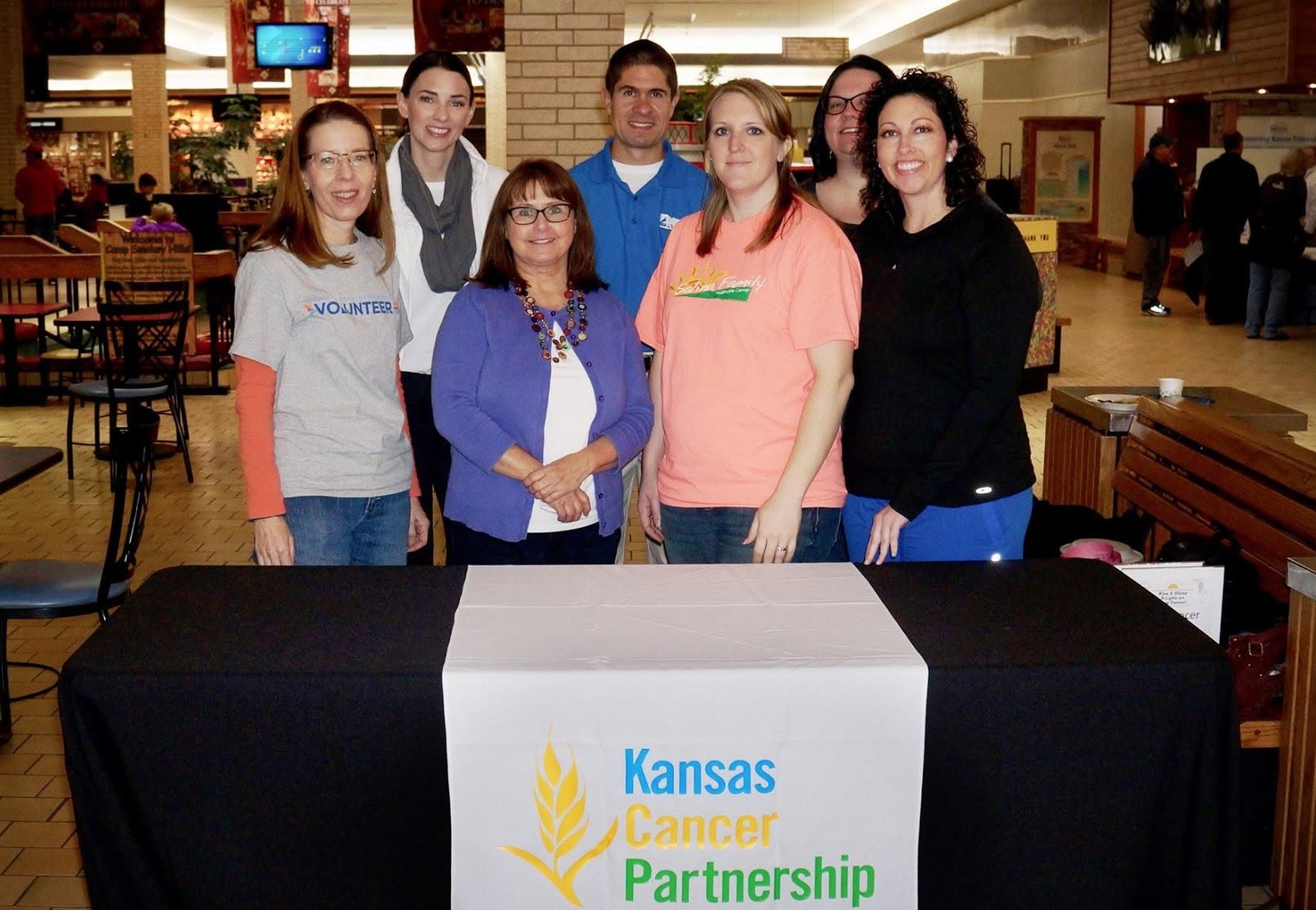
Bringing people together, raising awareness, and creating hope for those impacted by lung cancer are what keep Daniel Craig, MS, TTS, and the team at Tammy Walker Cancer Center coming back to Shine a Light on Lung Cancer® year after year. Since 2017, the center has partnered with the North Central Regional Coalition and Masonic Cancer Alliance to host an event where survivors and families can connect, loved ones are remembered, and the community can learn more about lung cancer.
For Craig, cancer program manager and cancer outreach coordinator at Tammy Walker Cancer Center, Shine a Light has become an important annual tradition and an opportunity to start conversations that continue well beyond the event itself.
Bringing people together around lung cancer
Shine a Light on Lung Cancer is the largest coordinated lung cancer awareness program in the world. Every November during Lung Cancer Awareness Month, healthcare facilities, community organizations, businesses, patients, caregivers, and loved ones come together through events designed to educate, connect, and celebrate the lung cancer community.
At Tammy Walker Cancer Center, those connections are at the heart of the event.
Craig says Shine a Light helps create community connections, raise awareness, inspire hope, and keep lung cancer at the forefront of conversations throughout the year.
And sometimes, the most meaningful connections happen when people have the opportunity to hear directly from someone who understands what they are going through.
Craig says some of the most powerful moments at past Shine a Light events have come from pairing a local healthcare professional with a cancer survivor. Medical information and statistics can help people better understand lung cancer, but hearing a survivor share their personal experience can bring that information to life.
Together, those perspectives can create what Craig describes as a sense of hope and inspiration.
Turning awareness into conversations that matter
Shine a Light events can also help people learn about lung cancer risk, screening, early detection, and resources available in their own communities.
For Craig and his community, one topic in particular, radon, has generated conversations.
Radon is an environmental risk factor for lung cancer, but it had not previously been a major focus for the North Central Regional Coalition. When Shine a Light events included information about local radon levels, Craig noticed that community members wanted to know more.
That response helped the coalition recognize an opportunity for additional education.
It’s an example of what can happen when lung cancer awareness becomes a community conversation. People can ask questions, discover information they may not have encountered before, and learn about resources that can help them take action for themselves or someone they love.
There’s no single way to Shine a Light
One of the strengths of Shine a Light is that every community can make the event its own.
Events can be in person, virtual, or hybrid. Some feature patients and survivors sharing their stories. Others include remarks from healthcare professionals, educational information or giveaways, opportunities to remember loved ones, or activities that bring the community together.
An event doesn’t have to be large or elaborate to make a difference.
Craig encourages organizations interested in hosting their own event to start small and build from there. Over time, an event can grow as more patients, families, volunteers, healthcare professionals, and community partners become involved.
At Tammy Walker Cancer Center, collaborating with local organizations and connecting Shine a Light with existing community events has helped build relationships and reach more people.
But no matter what an event looks like, the purpose remains the same. The event aims to ensure that people affected by lung cancer have an opportunity to connect, learn, remember, and find hope.
A light that keeps shining
After years of hosting Shine a Light, Craig says the event has come to represent something deeply meaningful for the Tammy Walker Cancer Center team.
It means celebrating local survivors, remembering loved ones lost to lung cancer, helping people learn about prevention, screening, and early detection, and bringing a community together to raise awareness for lung cancer.
Those moments of connection extend far beyond a single event in November. Each conversation, story shared, question asked, and new connection can help build greater awareness and a stronger lung cancer community all year long.
Ready to shine a light? Learn more about Shine a Light on Lung Cancer and how you can get involved in bringing awareness, connection, and hope to the lung cancer community. Have questions? Contact Katie Morello at shine@go2.org.
September 16, 2026
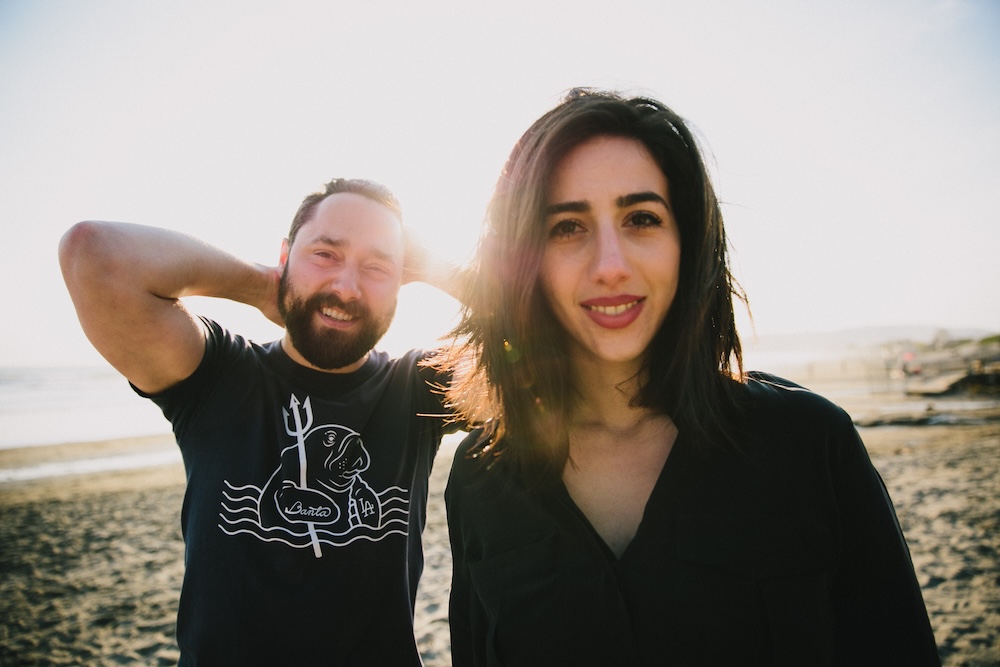
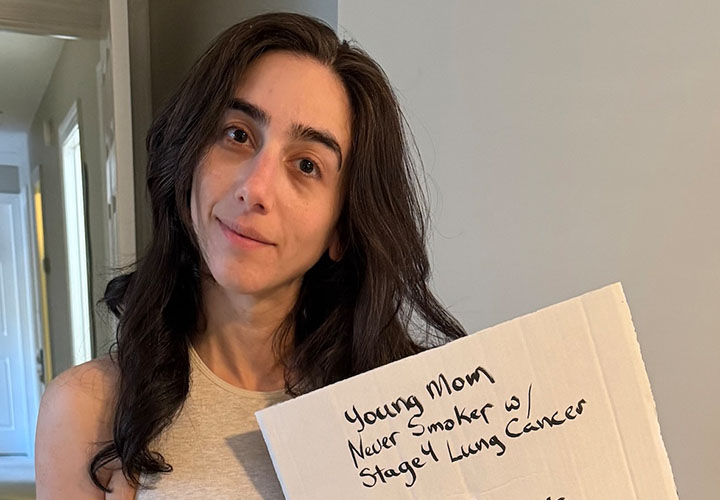
Before lung cancer, Mayya was used to having a plan for everything. As a high performing marketing executive in the video game industry, she managed multimillion-dollar campaigns, led large teams, and was interviewing for a major new leadership role when her life took an unexpected turn. At home, she and her husband were raising 2 young children and juggling the beautiful chaos that comes with life as a busy young family.
By all accounts, things were going well.
“I was essentially corporate Barbie,” Mayya said.
She was healthy, active, and the last person anyone would have expected to be diagnosed with lung cancer. But looking back, Mayya knew something wasn’t right.
Trusting herself

It started during her second pregnancy. Mayya wasn’t gaining weight the way she had during her first pregnancy. She constantly felt like she had to remind herself to eat and found herself raising concerns with her care team at appointment after appointment.
After her daughter was born, other symptoms followed. She was exhausted, but she had a newborn and a toddler. Of course she was exhausted. She lost the baby weight quickly, but everyone congratulated her for it.
Then came the cough. At first, that was easy to explain away too. Her family had endured the endless parade of illnesses familiar to many families with children in day care. But when everyone else recovered, Mayya didn’t. Her cough lingered, as did the fatigue and the general feeling that something was off.
When she sought medical care, her concerns were dismissed, and she was told it was likely allergies or a lingering infection. In fact, the first doctor barely listened to her, looking at the clock before she ever looked at Mayya. When Mayya asked for an X-ray, the doctor said she didn't need one. "It doesn't sound dry," the doctor said. "I haven't coughed yet," Mayya replied.
She walked to her car in the parking lot and called the office back immediately to make a new appointment with a different doctor. Then that appointment got canceled, so she drove straight to urgent care where she found a doctor who was finally willing to dig a little deeper.
An X-ray showed some cloudiness. It was not a clear answer, but it was something. Mayya was given antibiotics for possible pneumonia and sent home, but she didn't get better.
"I was feeling slightly worse every day," she remembered.
Then came Mother's Day. Mayya was sitting on the floor playing with her kids, exhausted, when she heard a sudden, clear, and urgent voice in her head: “If you don't go to urgent care right now, you're going to die.”
"It had to be my grandmother," she said. "She had a flair for the dramatics."
She turned to her husband. "I know it's Mother's Day, but I have to go."
At urgent care, the same doctor who had seen her earlier that week sent Mayya directly to the ER, worried she had a dangerous blood clot in her lungs known as a pulmonary embolism. Before going to the ER, she went home, breastfed the baby, left a stash of milk in the fridge, and said goodbye to her 3-year-old son, who asked how she'd get home.
"You guys will pick me up in a little bit," she told him.
At the ER, a CT scan brought unexpected news. There was no blood clot, but there was a mass in her chest.
"I knew in that moment it was cancer," Mayya says. "I knew."
The long road to a name
For weeks, the working assumption was lymphoma. Nobody brought up lung cancer because she was young, had no known risk factors, and her blood work was perfect.
She was admitted to the hospital where she had a bronchoscopy and got sent home. The interventional pulmonologist who did the procedure told her, “My job is to get you answers." The bronchoscopy came back inconclusive, but he was honest that something didn’t look right.
Then came a PET scan. Every lymph node from her neck to abdomen as well as her bones lit up. Still, the results pointed to lymphoma because her lung itself was barely glowing.
Following that, Mayya was matched with an oncologist at Duke Cancer Center. The coordinator on the phone mentioned access to clinical trials. “Trials?” Mayya thought. “I don't need trials for something as vanilla as lymphoma.”
She looked the doctor up. He was a thoracic oncologist. Her stomach dropped. She wondered whether perhaps he was moonlighting in hematology.
Mayya was at the beach with her family when she opened her test results. They reported stage 4 (IV), ALK-positive, non-small cell lung cancer (NSCLC). “Metastatic, metastatic, metastatic,” the word repeated down the page. No clean margins.
"That's how I found out," she said. "At the beach house, by myself, piecing it together."
A zebra in a world full of horses
There is a concept in medicine called Occam's Razor which states that when you hear hoofbeats, you should assume horses, not zebras. In other words, doctors are taught to look for the most likely explanation before considering something more rare. Mayya knows this, and she understands it. "But I am a zebra," she said. "And doctors are so used to looking for horses that when a zebra is standing right in front of them, they try to make it a horse."
At 38 years old, Mayya became part of a growing group of people who are reshaping what the world thinks lung cancer looks like. Young, healthy, active, and with no traditional risk factors, these people do not appear to doctors as “typical” lung cancer patients and often experience long delays in diagnosis because of it.
In other words, they are zebras.
A zebra among zebras
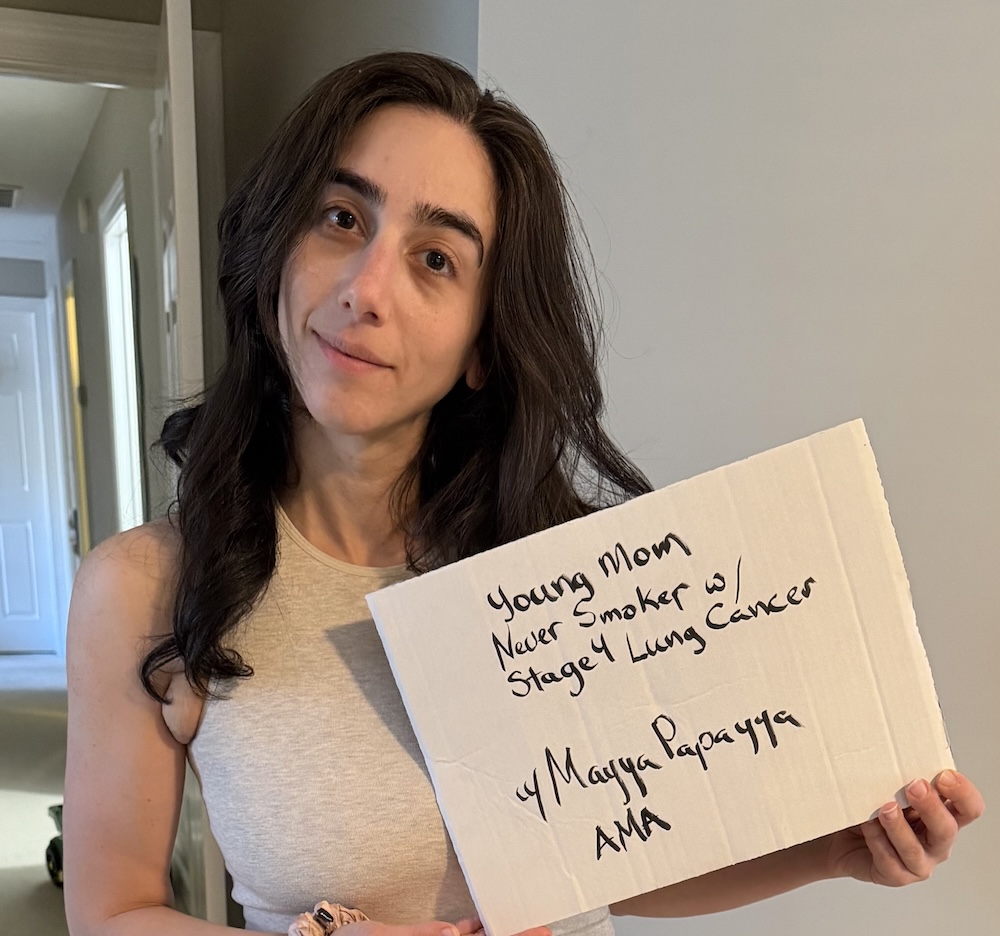
If being diagnosed with lung cancer at 38 made Mayya a zebra, her experience after diagnosis only reinforced the point.
She started Lobrena (lorlatinib), a targeted therapy for ALK-positive lung cancer. Her response was extraordinary. By her first scan, nearly all evidence of disease in her bones and lymph nodes had disappeared. Her doctor had never seen anything like it.
She was told that she was lucky to have this genetic type, and she and her care team hoped she would be one of the large number of ALK-positive patients having many years of progression-free survival on the drug.
However, 8 months later, the cancer progressed. And once again, Mayya found herself outside the expected path.
"I call myself the ghost of Christmas future, walking around rattling chains in ALK communities," she said with a laugh. "They say the median survival on lorlatinib is 7 years. I made it 8 months. I represent a possibility that nobody wants to think about."
Being someone whose cancer progresses quickly on a treatment that works for most others carries its own weight. Mayya has talked to others in the same position and found something unexpected: shame.
"There's almost an embarrassment in it," she said. "You see those graphs showing how well people do, but then you fall off at the 2% mark. Nobody likes to talk about those people. Unfortunately, a third of people on the drug will have an experience like mine. We have to understand our experiences too.”
Mayya is now on a combination regimen of chemotherapy, lorlatinib at a reduced dose, and Avastin (bevacizumab), a plan developed in collaboration between her primary oncologist at Duke and a second-opinion team at Dana-Farber Cancer Institute, including 1 of the leading ALK researchers in the country.
"Between the 2 of them, they came up with a plan that I don't think either would have come up with on their own," she said. “They’re a great team.”
Who gets your best 8 hours?
Life changed for Mayya in large and small ways after her diagnosis. Despite being a successful professional and her family’s bread winner, she made the decision to step back from work and go on disability. It wasn't a defeat. It was a choice.
"Statistically speaking, the best I was going to feel was right after diagnosis," she said. "My doctors aren't trying to cure me; they are managing a downhill slide. And I realized that I was giving the best 8 hours of my day during the best part of my life to my CEO. I had to ask myself, who did I actually want to be giving those hours to?"
The answer was her kids, her husband, and her mom, who now lives with them. Her family, whom she had always prioritized, became her full focus. They plan trips, go to swim lessons and ballet recitals, and squeeze adventures into the windows between her every-3-week infusions on the days when she feels well enough to go.
Her biggest fear is not her own death. It is the crater she would leave behind. She worries for her children, who were 3 years old and 8 months old when she was diagnosed; her mother, who has already buried a husband and her own mother, and whose only child is now fighting lung cancer; and her husband, who she used to joke better get his own health together so that he would live a long life with her and their kids.
“I feel like I’m the bomb that went off in my family,” she said. “Cancer didn’t go off as a bomb in our house. I went off.”
For Mayya, the hardest part of a metastatic diagnosis has never been thinking about herself. It has been thinking about the people she loves most and the grief they might carry.
The stakes are different
Living with metastatic lung cancer means learning to live with uncertainty.
"My body is a haunted house," Mayya said. "It's like a Halloween haunted house where there's a bunch of creaks and jump scares. Some of them are real and some of them are not."
A blurry eye might just be eye goop. A sore hip might be because you slept wrong. Or it might be something more. The challenge is that there is no way to know immediately, and every new symptom carries a question mark.
Mayya also thinks about the people who don't speak up as readily as she does. The short responders who disappear from online communities because they feel like they've let everyone down, the patients whose doctors dismiss them, the women who hear "you're probably fine" when something is clearly not right. She wants them to know they are not alone.
"The stakes are different for patients than they are for doctors," she said. "If a doctor misses something, they've had a bad day, but you're not coming home to your children."
Her advice is to think about your medical team the way you'd think about a contractor working on your house. You would never do your own electrical work. You trust their expertise and value their training, but you still ask questions, get second opinions, and stay actively involved. In this case, your doctor is the expert, but you’re still the one who lives in the house, so you get to have an active say in what’s happening to it.
Planning anyway
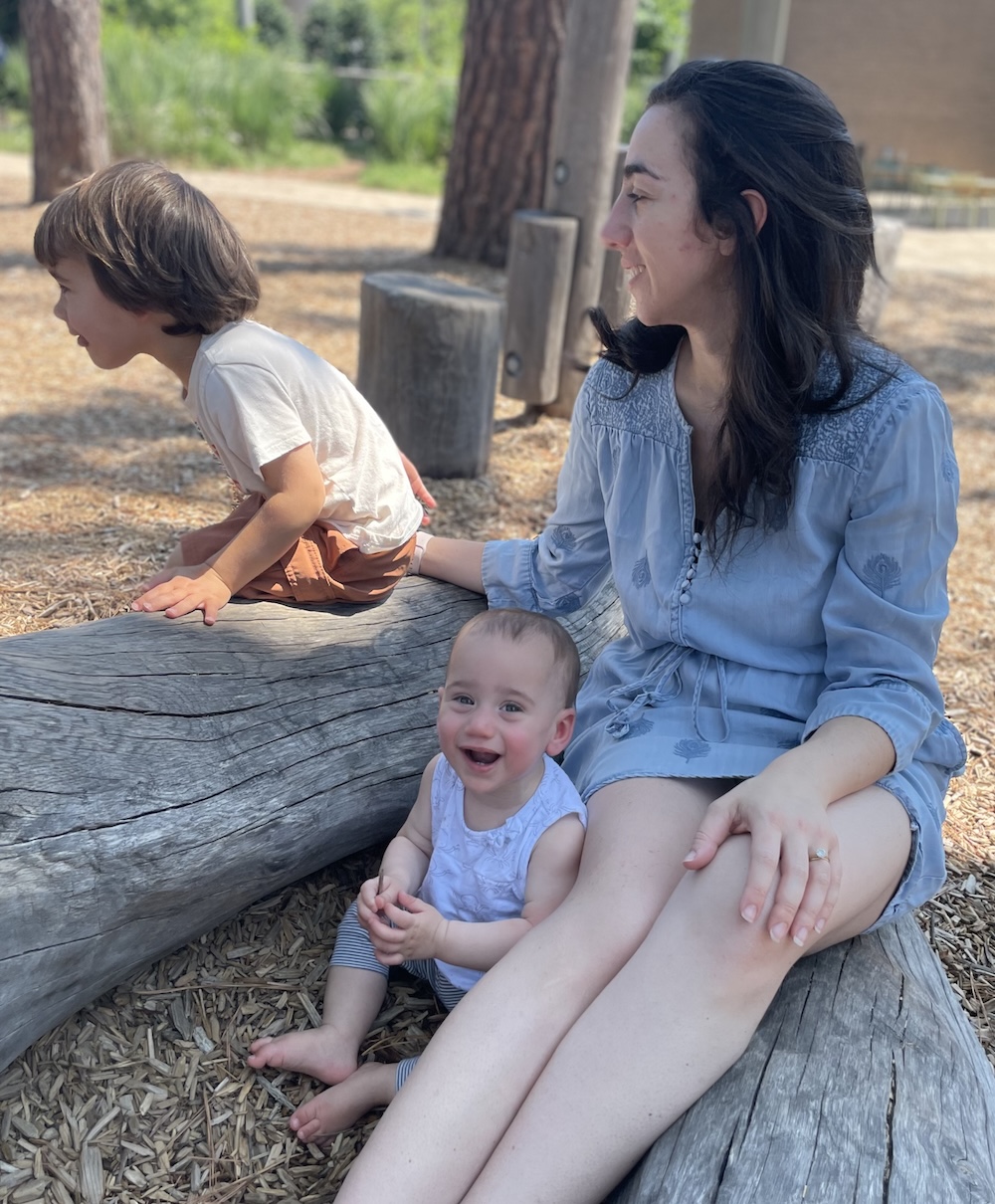
Today, Mayya continues to advocate, raise her children, spend time with her friends and family, and push for more research. She speaks openly about uncertainty, progression, and the experiences that don't always fit neatly into the success stories people want to hear. Because that's part of being a zebra, too. You don't always fit the expected narrative, but you keep moving forward anyway.
She thinks often about the people in her community who are living with ALK-positive lung cancer as something closer to a chronic disease, surviving for a decade or more, and weathering setbacks along the way but still here.
"Those are my heroes," she said. "People who can stumble forward for a decade are my spirit animals. I'll take it. I'm happy just stumbling down the road for another 20 years."
It may not be the path she expected, but she's still moving forward 1 scan, 1 infusion, 1 family trip, and 1 ordinary day at a time.
A lung cancer diagnosis can bring a lot of questions, emotions, and uncertainty. GO2 for Lung Cancer's free HelpLine connects you with trained specialists who can provide support, answer questions, and help you find resources along the way. Whether you're newly diagnosed, in treatment, or navigating survivorship, you don't have to face it alone.
Call us at 1-800-298-2436 or email support@go2.org to learn more.
September 14, 2026
Research highlights real-world opportunities to improve equitable screening, biomarker testing, and clinical trial access
GO2 for Lung Cancer (GO2) presented 10 research studies at the IASLC 2026 World Conference on Lung Cancer hosted by the International Association for the Study of Lung Cancer, taking place September 12-15 in Seoul, Republic of Korea. The research reflects GO2’s collaborative, cross-departmental approach to identifying real-world barriers and developing practical solutions across lung cancer screening, diagnosis, treatment, smoking cessation, clinical trial participation, patient education, and psychosocial support.
The portfolio includes findings generated through GO2's Centers of Excellence network, LungMATCH program, and community-based initiatives, as well as a shared decision-making study conducted with Fred Hutch Cancer Center and the University of Washington. Together, the posters elevate the perspectives of patients, health care professionals, and community partners and point to actionable ways to make high-quality lung cancer care more accessible and equitable.
“Research matters most when it changes what people experience,” said GO2 For Lung Cancer CEO David Benson. “These studies identify barriers that prevent people from receiving the care they need and benefiting from scientific advances. More importantly, they offer practical solutions for overcoming those barriers and improving outcomes.”
GO2 research presented at WCLC 2026:
Integrating Restorative Practices to Enhance Shared Decision-Making and Lung Cancer Screening Uptake in Black Communities
Led by GO2 in partnership with Fred Hutch Cancer Center and the University of Washington, this 12-month equity grant study assesses the feasibility and acceptability of “SDM Circles,” a restorative justice-informed, community-engaged model designed to make lung cancer screening conversations opportunities for trust-building, healing and empowerment. Findings will inform a scalable, community-informed model to reduce structural barriers to early detection. Lead GO2 authors include Joelle Fathi and Cyndi Lemery.
Monitoring Stage Shift in a National Network of Screening Programs: Successes and Challenges in Real-World Implementation
Using data from GO2's Centers of Excellence Benchmarking and Practice Variation Survey, researchers found that 68% of responding screening programs tracked lung cancer diagnosis rates, but more than half did not track stage breakdown. Even among programs that tracked stage, 34% of reported diagnoses had an unknown stage, underscoring the need for stronger documentation and information-sharing across clinical departments. Angela Barry is the lead author.
A Revealing Snapshot into Implementation of Smoking Cessation Services Across Academic and Community-Based Facilities
Using data from GO2’s Centers of Excellence network, researchers examined how smoking cessation services are implemented across academic and community-based lung cancer programs. The findings reveal variation in how patients are identified, referred to services, and supported in quitting, highlighting opportunities to better integrate evidence-based cessation care into routine practice and ensure more people receive consistent support. Joelle Fathi is the lead author.
Real World Assessment of Biomarker Testing Turn Around Time Impacts in US-Based Lung Cancer Treatment Programs
A survey of 82 U.S. facilities in GO2's Centers of Excellence network found that most treatment teams would likely begin first-line therapy before biomarker results were available if turnaround exceeded two weeks. Nearly all respondents used send-out testing, and reflex-testing workflows varied widely. The findings point to the potential for standardized protocols and adequately resourced reflex testing to support more timely treatment decisions. Andrew Ciupek is the lead author.
Reality Check: Identifying Real-World Barriers to Clinical Trial Engagement
Drawing on patient-reported data from 300 LungMATCH participants and clinician-reported data from GO2's Centers of Excellence network, the analysis found a gap between screening patients for trial eligibility and enrollment: responding centers reported screening all potential patients, yet median enrollment was only 5%. Both patients and providers identified stringent eligibility criteria as a leading barrier. The authors call for earlier, shared decision-making conversations and greater patient and frontline provider input in trial design. Brittney Nichols is the corresponding author; Andrew Ciupek is the lead author.
Community-Based Biomarker Education Improves Clinical Trial Readiness in Black Communities
Developed and delivered with a community advisory board and local partners in Broward County, Florida, this culturally tailored education program reached 296 adults, 80.5% of whom identified as Black or African American. Participants showed significant gains in biomarker-testing knowledge and confidence discussing testing with a provider, while phase-specific education increased willingness to consider clinical trials. The work was conducted through Ready Lung, a partner-funded program that concluded at the end of 2025. Shanada Monestime is the lead author.
From Community Outreach to Lung Cancer Screening: A Navigation Model for Black Communities
This community-based model used independent pharmacies in Washington, D.C., and a mobile health unit in Baton Rouge, Louisiana, to identify screening-eligible adults and connect them with navigation and low-dose CT screening. Among 450 people assessed, 80 enrolled in navigation and 21 completed screening. The findings identify appointment scheduling as the largest point of drop-off and suggest that virtual shared decision-making and screening offered at the point of interest may reduce barriers. The work was conducted through Program Connect, a partner-funded program that concluded at the end of 2025. Shanada Monestime is the lead author.
Hidden Barriers, Real Conversations: Health Literacy and Health Equity Insights from the Lung Cancer Living Room®
A review of Lung Cancer Living Room sessions from the previous year identified recurring barriers involving screening awareness, stigma in conversations about smoking history, communication about clinical trials and access to specialty care. The findings show how a community-centered hybrid forum can surface real-world gaps and inform strategies that use plain language, expand access to early detection and strengthen clinical trial navigation. Chaya Estrin-Lebovic is the author.
Who Needs Another Podcast? You Do! Creating the Coping with Lung Cancer Podcast
Developed by GO2 and the Roy Castle Lung Cancer Foundation as part of a broader international collaboration, the Coping with Lung Cancer podcast addresses a gap in information about psychosocial programs and services for people affected by lung cancer. The series grew from expert interviews and a project focused on coping-related needs, resources, and best practices, demonstrating how collaboration can make proven support strategies more accessible worldwide. GO2's Maureen Rigney is the lead author.
Education and Connection: What the Small Cell Community Wants
A national GO2 survey of 106 people affected by small cell lung cancer found strong interest in peer-led advice, treatment options, clinical trials and side-effect management. Respondents also prioritized information and resource connections, help identifying clinical trials and opportunities to connect with others who share similar experiences. GO2 is using the findings to shape small cell lung cancer education, navigation and peer-support offerings. Maureen Rigney is the lead author.
Learn more about WCLC 2026 at wclc.iaslc.org.

September 10, 2026
Did you know? HER2 is a gene found in cells that are important for cell growth and survival. You may also sometimes see HER2 referred to as ERBB-2. In some people, the HER2 gene begins to mutate or change, which can be a driving cause of cancer. HER2 mutations occur in about 2 out of every 100 cases (2%) of non-small cell lung cancers (NSCLC).
On September 9, 2026, the U.S. Food and Drug Administration (FDA) granted accelerated approval to Hyrnuo (sevabertinib) for people with locally advanced or metastatic, non-squamous NSCLC whose tumors have a HER2 (ERBB-2) activating mutation.
This approval expands the FDA’s previous approval of Hyrnuo (sevabertinib) from November 2025 by making it a first-line treatment option for people with HER2-positive NSCLC.
This latest approval is based on the results of the SOHO-01 study, which looked at how safe and effective Hyrnuo (sevabertinib) is for people with locally advanced or metastatic, non-squamous NSCLC whose tumors have a HER2 activating mutation. Study participants who had not yet received systemic treatment received Hyrnuo (sevabertinib). They experienced both a promising response rate and benefits that lasted for a meaningful time period in those who responded to treatment.
This is an exciting update from the FDA because it gives people with locally advanced or metastatic, non-squamous NSCLC whose tumors have a HER2 activating mutation another first-line therapy treatment option.
Please speak with your healthcare team for more information about Hyrnuo (sevabertinib) and to see if it may be an option for you. If you have questions about treatment, trials, or biomarker testing, contact our LungMATCH team at support@go2.org or 1-800-298-2436.
Read the full FDA announcement.

September 9, 2026
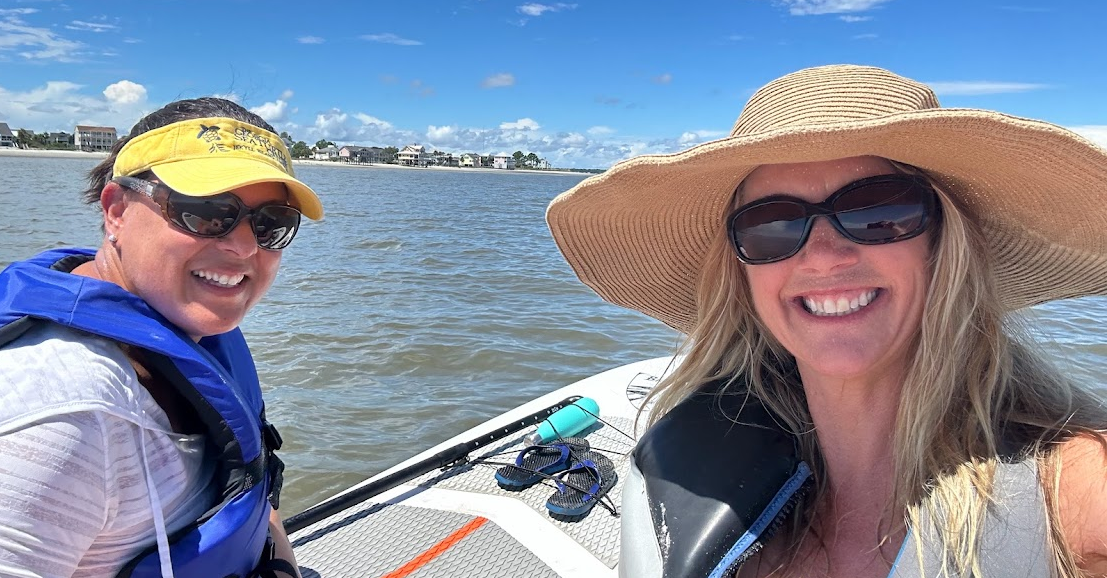
In early 2021, Melissa noticed something strange. Whenever she laughed, coughed, or exhaled forcefully, she heard an odd sound coming from her chest. It wasn't painful, it wasn't affecting her breathing, and she was still able to exercise easily, but she also knew it wasn’t normal.
As a veterinarian, Melissa was accustomed to paying attention to subtle changes. At the time, she was also helping lead COVID-19 vaccination efforts, traveling around the country and working long days outdoors in Colorado's unpredictable weather.
When the sound didn't go away, she mentioned it to her doctor. Neither of them was particularly concerned, and they initially wondered if it might be related to cold-weather asthma. An inhaler didn't help, so Melissa returned a few weeks later. To be thorough, her doctor ordered a chest X-ray.
An unexpected diagnosis
The X-ray revealed a mass in Melissa's lung. Even then, lung cancer wasn't high on anyone's list of possibilities. Melissa was young, healthy, and active, and had no traditional risk factors. As a veterinarian, she was more concerned about unusual fungal infections or exposures she might have encountered through her work.
When the biopsy revealed lung cancer, she was stunned.
"I was totally floored," she said. "Of all the things that I thought I was going to get, lung cancer was not on the list."
Despite her medical background, Melissa realized she had carried many of the same assumptions about lung cancer that others do.
"I never even thought that people who didn't smoke could get it," she said.
Further testing revealed that Melissa had EGFR-positive non-small cell lung cancer (NSCLC) that had spread to her brain.
“They were not going to talk me out of it”
Melissa's care team quickly began developing a treatment plan. She underwent stereotactic radiation for 3 small brain metastases and started targeted therapy with Tagrisso (osimertinib). The treatment worked remarkably well, and within months, her tumors had shrunk by more than 50%, and the lymph nodes that had previously shown signs of cancer were no longer visible on scans.
But Melissa couldn't shake 1 thought. As a veterinarian, she knew that, when possible, surgeons often remove the primary tumor. She wanted to know whether surgery could play a role in her own treatment. Her doctors initially hadn't recommended it because her cancer was stage IV (4), and surgery is not a typical treatment for lung cancer at later stages. Still, Melissa continued asking questions.
"I had a really strong gut feeling that I wanted that primary tumor out," she said.
Rather than dismissing her idea, her care team listened. Her local surgeon encouraged her to seek an additional opinion from a thoracic surgeon with more experience treating complex lung cancer cases. Her oncologist supported the idea as well.
After consulting with specialists who supported her as a good candidate for surgery, Melissa underwent surgery in December 2021, just 6 months after her diagnosis. Surgeons removed the upper lobe of her left lung along with 14 lymph nodes.
Looking back, she's grateful that she trusted her instincts and that her doctors were willing to partner with her.
"Honestly, they were not going to talk me out of it," she said. “Even if someone had told me that the surgical outcome would be identical to non-surgical treatment, I still wanted the tumor out of me. Just for the peace of mind.”
Learning to hope again
The first months after diagnosis were some of the hardest of Melissa's life. For a long time, she was convinced she wouldn't survive.
"I was pretty sure I was going to be dead within a year," she said.
Although her doctors were compassionate and honest, they couldn't tell her exactly what the future would look like. There were simply too many unknowns.
Searching for answers, Melissa began reading stories from other people living with lung cancer. For the first time, she saw people talking about surviving for 8 years, 10 years, or even longer.
"It was then I started to have hope," she said.
The stories didn't guarantee anything about her own future, but they helped her realize that she might have one, too. They also showed her that hope and uncertainty could coexist.
Surrounded by support
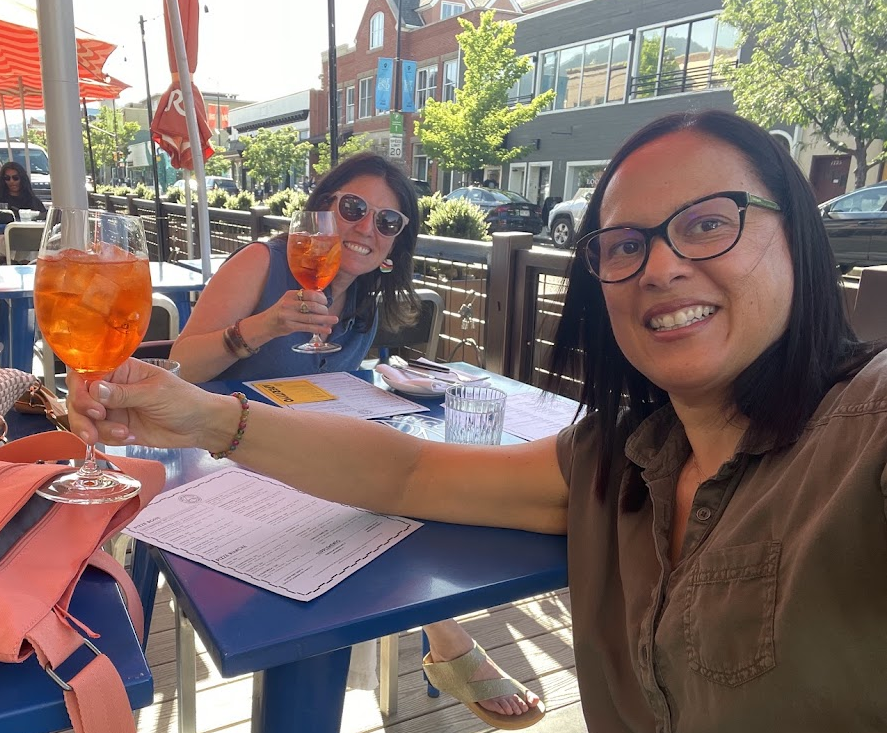
While Melissa was learning to navigate life with lung cancer, she quickly discovered that she didn't have to do it alone. When she was diagnosed, friends from across the country showed up in remarkable ways. One of her closest friends, a fellow veterinarian who lives in Washington state, drove to Colorado and stayed with her for a month. Other friends came for a week at a time, helping with appointments, daily tasks, and the emotional weight of everything she was facing.
Their support arrived when she needed it most. During one visit, Melissa developed a serious bacterial infection and spiked a 104 degree fever. The friend who had just arrived at her house ended up taking her to the emergency room.
Over the years, that support never faded. Earlier this year, Melissa celebrated the 5-year anniversary of her diagnosis with afternoon tea at a hotel in Denver. Nine friends joined her to mark the milestone.
"It was absolutely amazing," she said.
The experience reminded her of something she has learned again and again since her diagnosis: even in the most uncertain moments, she was never facing lung cancer alone.
Are you living or are you dying?
One conversation changed Melissa's perspective more than any other. She had been working with a counselor through her cancer center, struggling with questions about the future. She wondered whether she should buy a house, make long-term plans, and even adopt a new cat, given her diagnosis.
Every decision seemed tangled up in uncertainty. Then, her counselor asked a simple question.
"Are you living or are you dying?"
The question stopped Melissa in her tracks. For months, Melissa had been organizing her life around the possibility that she might die. Her counselor challenged her to consider a different perspective. Today, she wasn't dying. Today, she was alive. For the first time in a long time, she began giving herself permission to plan accordingly.
That realization didn't erase the uncertainty of living with stage IV (4) lung cancer. It simply changed how she chose to respond to it.
Not long afterward, Melissa adopted a young cat. Looking back, she sees that decision as one of the first times she truly started planning for the future again.
"I felt pretty confident that was going to be here to take care of this animal," she said.
Letting go of what she can't control
Over time, Melissa found herself changing in other ways, too. Before cancer, uncertainty often made her anxious. She wanted answers, a plan, and certainty.
After her diagnosis, however, she came to realize that none of those things were actually available to anyone, even those living without cancer.
"I completely accepted that I have no control over any of this," she said. "And I also have no way of predicting anything."
And rather than feeling defeated, Melissa found freedom in that realization. She stopped spending energy on things she couldn't control and became more intentional about where she focused her time and attention. She treasured friendships more deeply and reached out to people more often. She became more grateful for experiences and less concerned about the small frustrations that once occupied her mind.
"I’m so much more clear about how I want to spend my energy now," she said.
Looking ahead
Today, 5 years after her diagnosis, Melissa remains on Tagrisso (osimertinib) and has no evidence of disease. She's also slowly extended the time between scans, going from every 3 months to 4 ½ months to every 6 months. It wasn’t an easy shift.
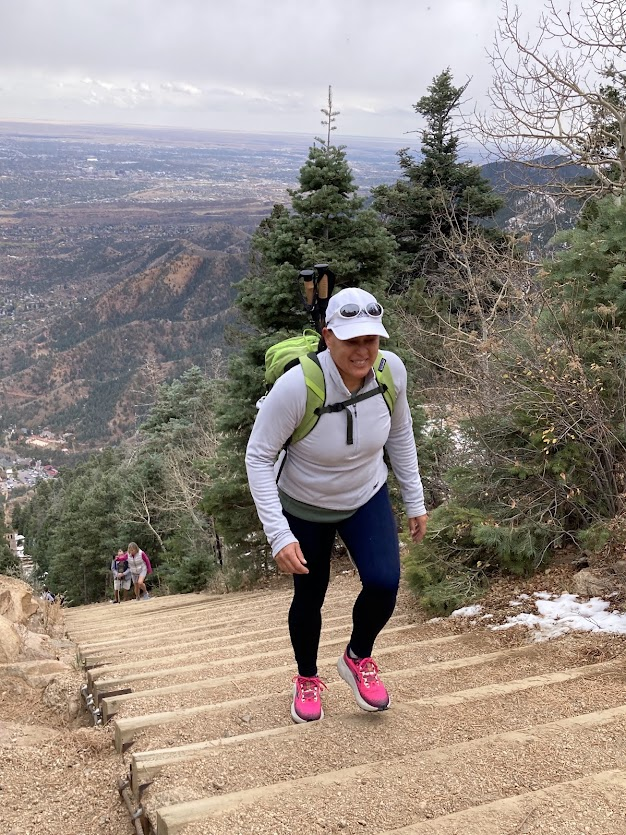
"Initially, I didn't think I was going to live long enough to have to worry about radiation exposure from the scans," she says. "And now maybe I do."
Her oncologist helped her think through it. Because there's no established playbook for someone in Melissa's exact position, he told her they were “cooking without a recipe.” They talk through decisions together to figure out what they're both comfortable with.
She's also setting ambitious physical goals for herself. A year and a half ago, she decided she wanted to climb the Manitou Incline near Colorado Springs, a grueling hike up what used to be a mining railroad, now more than 1,000 steps rising nearly straight up a mountain. She trained hard for it, but she still wasn't sure she'd make it even halfway.
She made it all the way to the top.
Her next goal is to tackle some of the epic hikes in Glacier National Park that can run up to 14 miles long. She doesn't know yet if she can do it, but she's going to try.
Just 5 years ago, Melissa wasn’t sure she’d live long enough to plan for the future. Today, she's planning trips, setting new goals, deepening friendships, and looking forward to what's next.
She still thinks about the question her counselor asked her.
“Are you living or are you dying?”
These days, Melissa knows her answer.