
How Precision Medicine Is Changing Lung Cancer Care: Key Takeaways from Dr. Christine Lovly
June 5, 2026
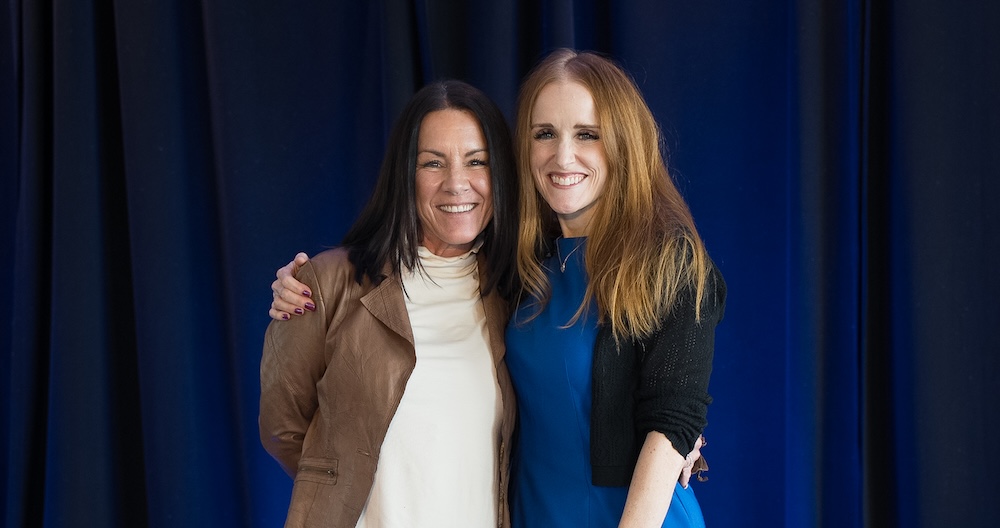
At the 2026 GO2 for Lung Cancer Voices Summit in Washington, DC, Christine M. Lovly, MD, PhD, FASCO, Division Chief of Thoracic Medical Oncology at City of Hope, shared a powerful message: the future of lung cancer care is being rewritten, and real progress is being made faster than ever before.
In her keynote, “Precision, Progress, Partnerships, and Possibility in Lung Cancer,” Dr. Lovly highlighted how science, advocacy, and collaboration are transforming outcomes for people living with lung cancer. “Every person in this room has a lung cancer story,” she said, recognizing those living with lung cancer, caregivers, advocates, and researchers working together to drive change.
That shared purpose is what continues to move the field forward.
A turning point in lung cancer treatment
Not long ago, non-small cell lung cancer (NSCLC) treatment options were limited. In the early 2000s, people with advanced NSCLC lived an average of about 8 months.
Today, we are in a different era.
Advances in precision medicine, which is treatment that is tailored to the individual person, have transformed NSCLC care. It was once thought that lung cancer was a single disease, but through biomarker testing, we can now identify subtypes of NSCLC. When a person is found to have certain biomarkers such as EGFR, ALK, KRAS, and others, targeted therapies are available. These treatments target specific biomarkers and stop lung cancer from growing and spreading.
The impact is profound. Many people with advanced lung cancer are now living for years with good quality of life and outcomes that once felt out of reach.
But Dr. Lovly emphasized that continued progress depends on ongoing investment in federal research. She expressed concern about how funding reductions and uncertainty at the National Institutes of Health (NIH) could affect the pace and stability of cancer research. When studies are paused or clinical trials are delayed, progress can slow for patients who are waiting for new treatment options. Sustained federal investment in research plays a critical role in supporting clinical trials, which drive continued advances in lung cancer care.
The role of immunotherapy in lung cancer progress
In addition to targeted therapies, immunotherapy has reshaped what’s possible for many people living with lung cancer.
These treatments work by helping the immune system recognize and attack cancer. A type of immunotherapy called a checkpoint inhibitor has greatly improved outcomes and has expanded treatment options across lung cancer stages.
Still, Dr. Lovly emphasized that progress cannot be measured by numbers alone.
“Life lived is equally as important,” she said, a reminder that quality of life must remain central to every advance.
At GO2, we know this is what matters most. It means more time, better days, and meaningful moments for people living with lung cancer and their families.
Ongoing challenges in lung cancer care
Despite this progress, too many people are still diagnosed at later stages, when treatment options are more limited.
Dr. Lovly outlined several key challenges that continue to impact outcomes:
- Low lung cancer screening rates, leading to late diagnoses
- Limited access to biomarker testing and expert care
- Health differences based on location and income
- Drug resistance, as cancer cells adapt and survive treatments
- Gaps in research funding that limit progress
Despite causing more deaths than many other cancers, lung cancer research has historically received less funding. Dr. Lovly highlighted this as a major barrier to continued progress as it requires urgent action from all of us.
The future of lung cancer research
There is also real momentum and reason for hope.
New treatments, including next-generation KRAS inhibitors and antibody-drug conjugates, are expanding options for people.
Emerging tools like liquid biopsy are making it easier to detect and monitor cancer through a simple blood test, helping bring precision medicine to more people.
At the same time, AI and new clinical trial designs are helping people access new treatments faster.
The science is moving forward quickly, but as Dr. Lovly made clear, discovery alone isn’t enough.
Impact through advocacy
“Innovation is not our barrier. Implementation is,” Dr. Lovly said.
We already have many of the tools needed to save lives. The challenge is making sure every person with lung cancer, no matter who they are or where they live, can access them.
Where we go from here: More resources, more action
To continue progress, Dr. Lovly emphasized the need for more resources. Top priorities include:
- Expand access to lung cancer screening
- Increase research funding
- Improve clinical trial participation
- Ensuring a variety of people join research studies
- Support research on survivorship
- Strengthen the cancer care workforce
These priorities reflect where the lung cancer community must focus next and where we can make the greatest impact.
The story is still being written
Dr. Lovly closed with a powerful reminder that reflects the heart of the lung cancer community:
“Every treatment we use today exists because people chose hope over fear and participated in research that helped all of us learn.”
The story of lung cancer is still being written. And as Dr. Lovly emphasized, people with lung cancer and advocates are not simply part of that story. They are helping lead it.
The lung cancer community can continue to make a difference by contacting lawmakers and supporting policies that accelerate research, expand access to care, and improve outcomes. Take action today.