



What is lung cancer screening?
Cancer screening is a test to check for disease in people who do not have any symptoms. Some examples of cancer screening include mammograms for breast cancer and colonoscopies for colorectal cancer. The goal of screening is to find cancer early when it is more treatable and even curable.
A lung cancer screening uses a low-dose CT (LDCT) scan and is quick and painless. This is the only proven method to screen for lung cancer.
If you believe you are at risk for lung cancer, talk to your healthcare team to see if an LDCT scan is right for you.
Do you meet lung cancer screening guidelines?
If so, find a GO2-designated Center of Excellence in Screening near you. Lung cancer screening is covered at no cost by most private insurance plans. See Medicare and insurance coverage information.
Use this simple tool to calculate your pack years
The USPSTF recommends annual lung cancer screening for people who are:
- Between ages 50 and 80
- Have a 20-pack-year smoking history or greater
- Currently smoke or quit within the past 15 years
Lung cancer screening guidelines and criteria (USPSTF)
Lung cancer screening with a low-dose CT scan is the only proven method to detect cancer early—when it is most treatable and sometimes curable. We know this because researchers have been studying lung cancer screening by low-dose CT scans for many years. Survival rates more than double when lung cancer is caught early.
The U.S. Preventive Services Task Force (USPSTF) is made up of volunteer national experts who use scientific research to make national guidelines for preventive services, like cancer screenings.
Low-dose CT (LDCT) lung cancer screening
What to expect
The Vault is where everything lives. Organized into clear categories , it’s designed to make browsing easy. Whether you’re looking for a specific slider, animation,or utility, our quick-find search has you covered.
How low-dose CT scans detect lung cancer
The Vault is where everything lives. Organized into clear categories , it’s designed to make browsing easy. Whether you’re looking for a specific slider, animation,or utility, our quick-find search has you covered.
What happens after a scan
The Vault is where everything lives. Organized into clear categories , it’s designed to make browsing easy. Whether you’re looking for a specific slider, animation,or utility, our quick-find search has you covered.
Lung nodules
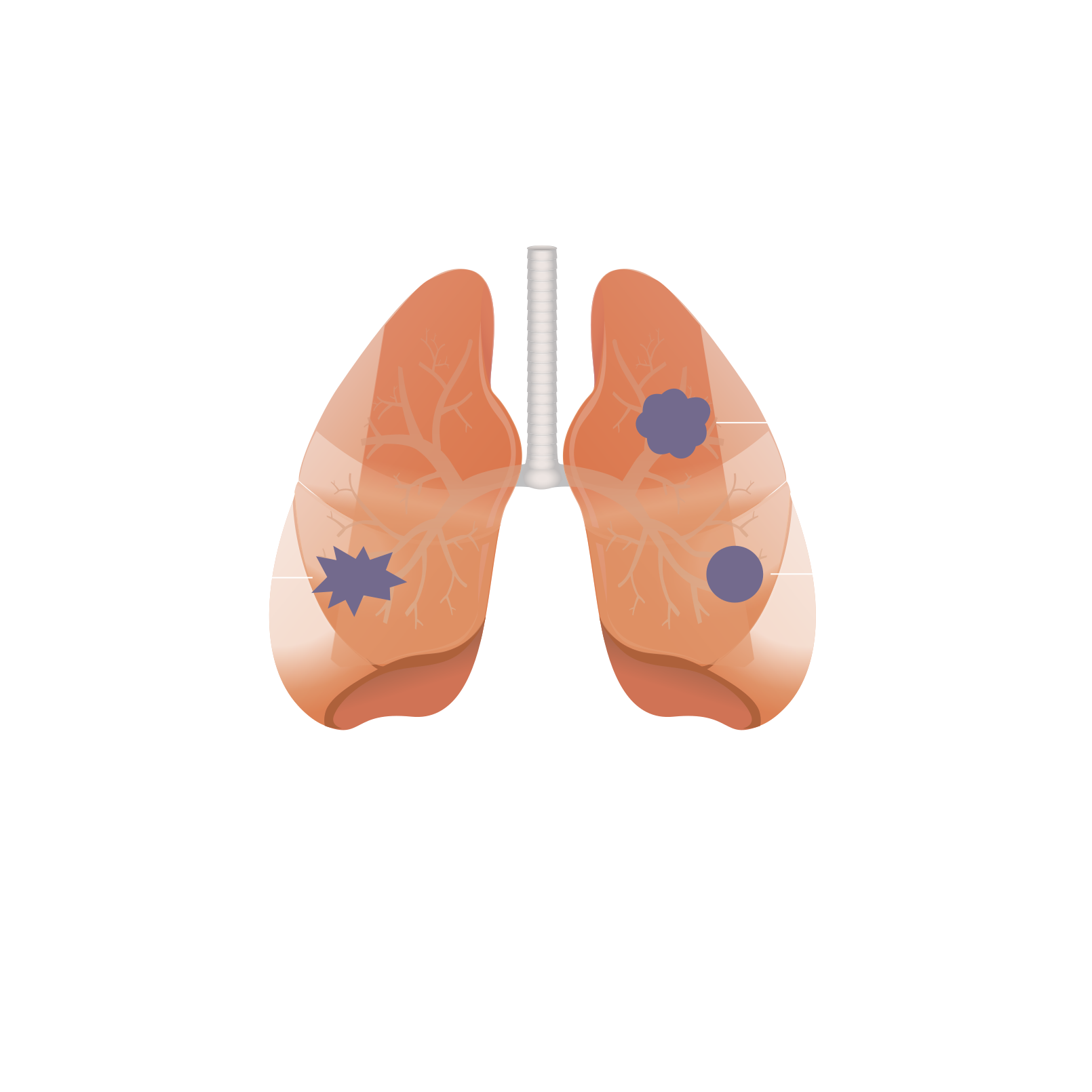
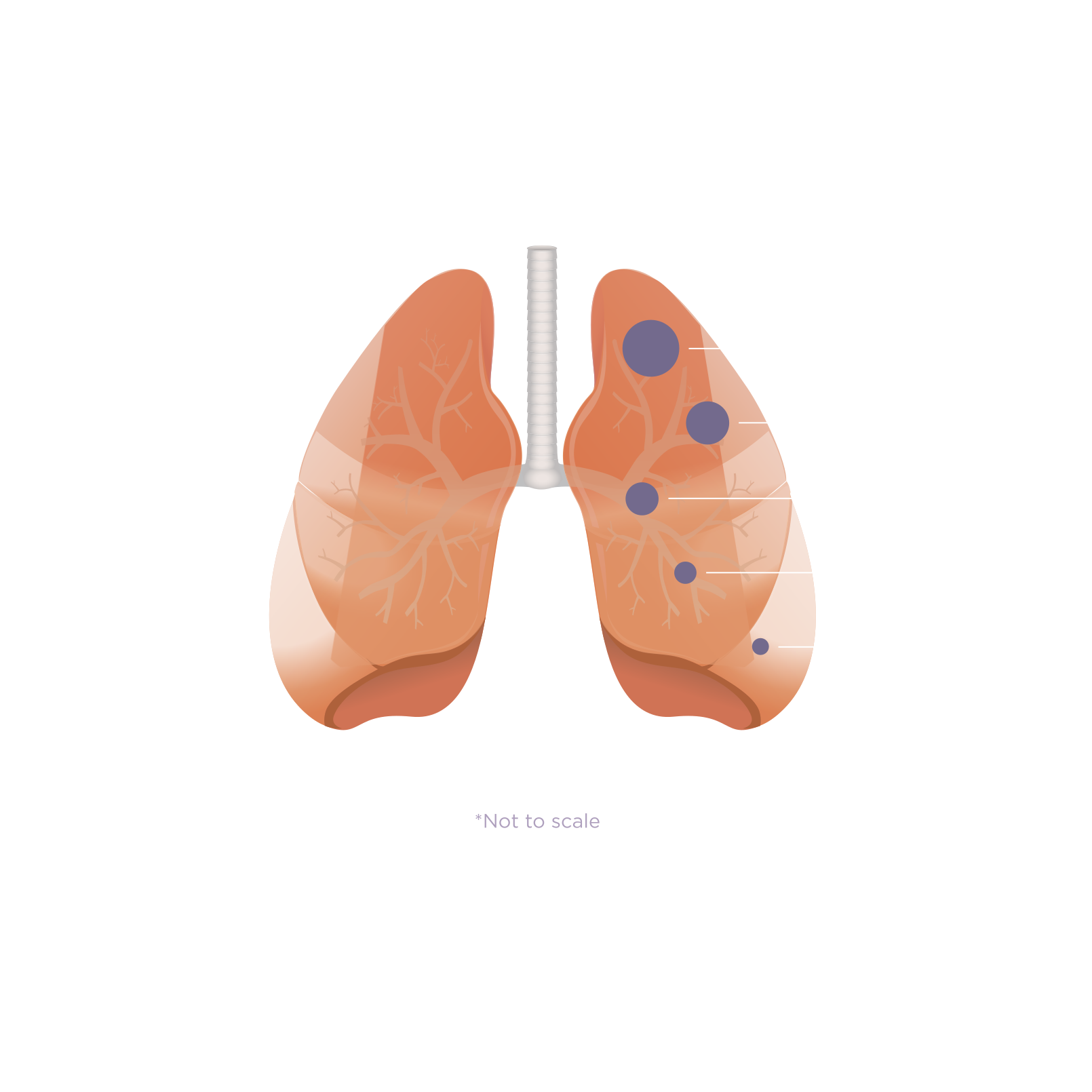
LDCT scans can find spots on the lung called nodules. Nodules are also called lesions, coin lesions, growths, or solitary pulmonary nodules. Many people have lung nodules by age 50.
Most nodules are not lung cancer and will never become lung cancer. However, lung nodules need to be watched over time to see if they grow or change.
Nodules are described by their features or how they look:
.svg)
Lung cancer screening insurance coverage
For people who meet certain guidelines, a yearly low-dose CT screening for lung cancer is 100% covered by Medicare and most private insurance plans—just like mammograms and other screening tests. Additional testing and follow-up scans between screenings may have a cost, such as a co-pay or deductible.
Medicare
Medicare’s main guidelines for lung cancer screening are:
- Being aged 50–77 years
- Having no signs or symptoms of lung cancer
- Having a history of smoking for at least 20 pack-years (1 pack-year = smoking 1 pack per day for 1 year; and 1 pack = 20 cigarettes)
Read More
Benefits of lung cancer screening
“With no symptoms of lung cancer, I went in for a low-dose CT scan after receiving a direct mail flyer from my health care provider system… early CT scans work!”

Barney Brinkmann
Lung cancer survivor
“With no symptoms of lung cancer, I went in for a low-dose CT scan after receiving a direct mail flyer from my health care provider system… early CT scans work!”
Barney Brinkmann
Lung cancer survivor
What is lung cancer screening?
Cancer screening is a test to check for disease in people who do not have any symptoms. Some examples of cancer screening include mammograms for breast cancer and colonoscopies for colorectal cancer. The goal of screening is to find cancer early when it is more treatable and even curable.
A lung cancer screening uses a low-dose CT (LDCT) scan and is quick and painless. This is the only proven method to screen for lung cancer.
If you believe you are at risk for lung cancer, talk to your healthcare team to see if an LDCT scan is right for you.
Frequently asked questions
Where can I find more resources and support?
Contact the GO2 HelpLine at 1-800-298-2436 or email support@go2.org to connect with caring and highly trained staff who listen, answer your questions, and provide support. We offer many free programs and educational resources to meet your needs.

Learn about how lung cancer is diagnosed