
Your community has many opportunities for you to share your lung cancer story. This helps raise awareness but, more importantly, it puts a local name and face to the disease. Show people that lung cancer can happen to anyone—including their own neighbor.


Where to tell your story
Look for organizations that meet regularly and think about how you can connect your lung cancer story to their work. For example:
Constituent meetings with elected officials’ staff in your State House or State Legislature
City or county council
Chamber of Commerce
Elected officials’ town halls
Tips for public speaking
Be honest. Be conversational. Be brief. If you just keep these 3 tips in mind, you’ll do great. Here are a few more things to keep in mind:
Hone your message. Go into your talk or interview with no more than 3 main points. If you’re talking to a reporter, answer their questions briefly and then transition into one of your main points.
Admit when you don’t know the answer. No one knows it all—and that’s okay! ”Faking it” will destroy your credibility and hurt your cause.
It’s okay not to answer questions. If someone asks a question you don’t want to answer, don’t. Pivot to one of your talking points, or say you’re uncomfortable talking about the topic.

Meet your elected officials
Arrange a meeting with your Members of Congress in their district office. It’s much easier than you think! Here are simple steps to make it happen:
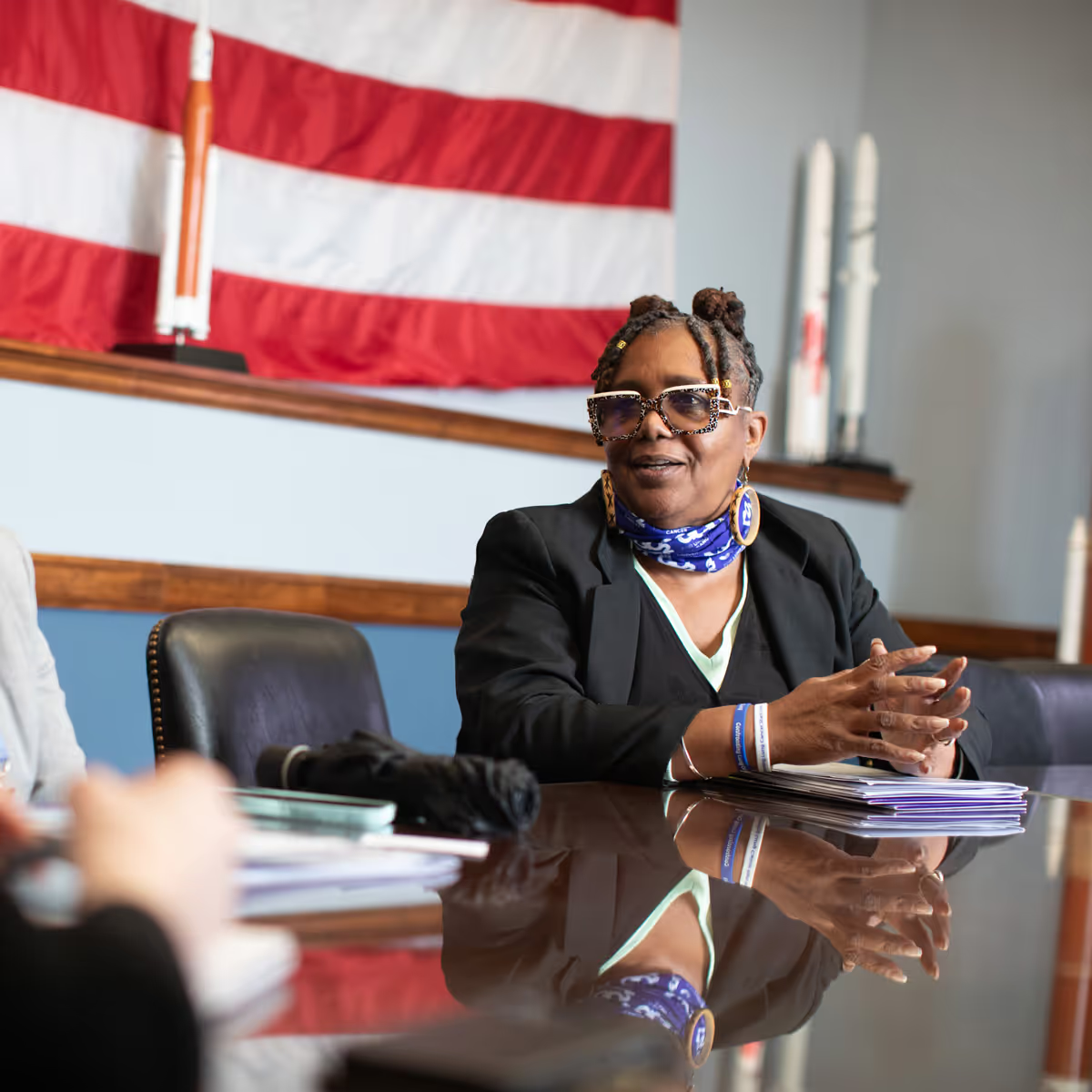

Find your representative
To identify your 2 Senators and House of Representatives, call U.S. Capitol Switchboard: (202) 224-3121, or go to the House of Representatives and Senate websites.
**Be sure to find the contact information for their District/State Office.**
Request a meeting
Your elected official’s phone number and email address are public information, so call or send them a note asking to schedule a meeting. Include details about why you want to meet and what issues you would like to discuss. Be patient, but also be persistent. Don’t hesitate to follow up a couple times if they don’t reply.
Prepare for the meeting
Get to know your elected official by checking out their website, social media channels and recent news articles. Even if they do not have a direct connection to lung cancer, you might find yours has a particular interest in health, research or women/veteran issues. The key is to share your personal story about lung cancer and its impact on you.
Be flexible and accommodating
There is a chance you may end up meeting with a staff member and not your elected official. The staff are just as important and deserve the same respect. Their job is to share your message with your Senator or Representative. Plus, you never know whether a staffer has a personal connection to the disease.
Be prepared to share your story
In the meeting, sharing a personal story communicates the impact of lung cancer on a personal level. Be sure to make an “ask” for support on our issues.
Conclude with thanks and follow up
After you return from your meeting, send an email or a handwritten letter thanking everyone for their time. Don’t forget to repeat your story and highlight the issues you spoke about during the meeting with an expectation of support.
Can’t make it for an in-person meeting? No worries! You can take action from home in just minutes.