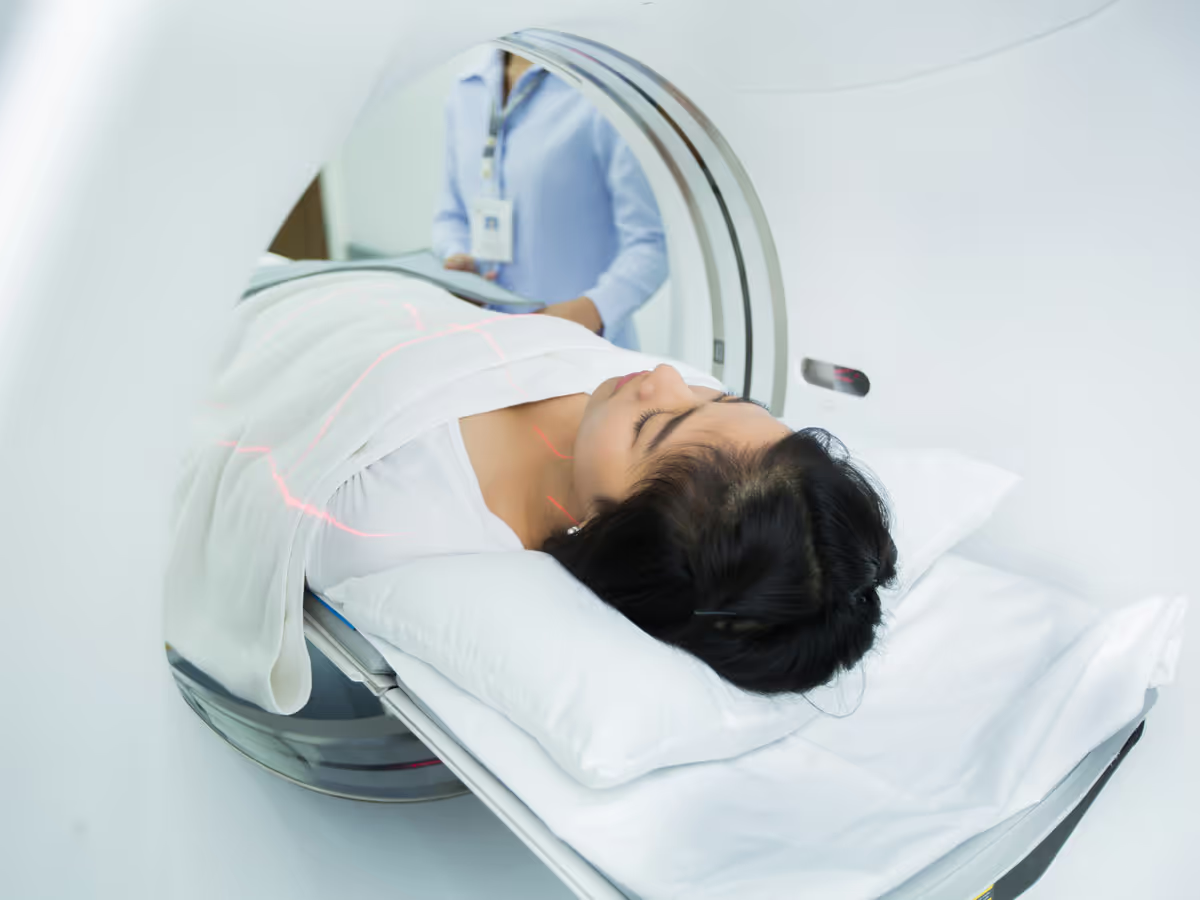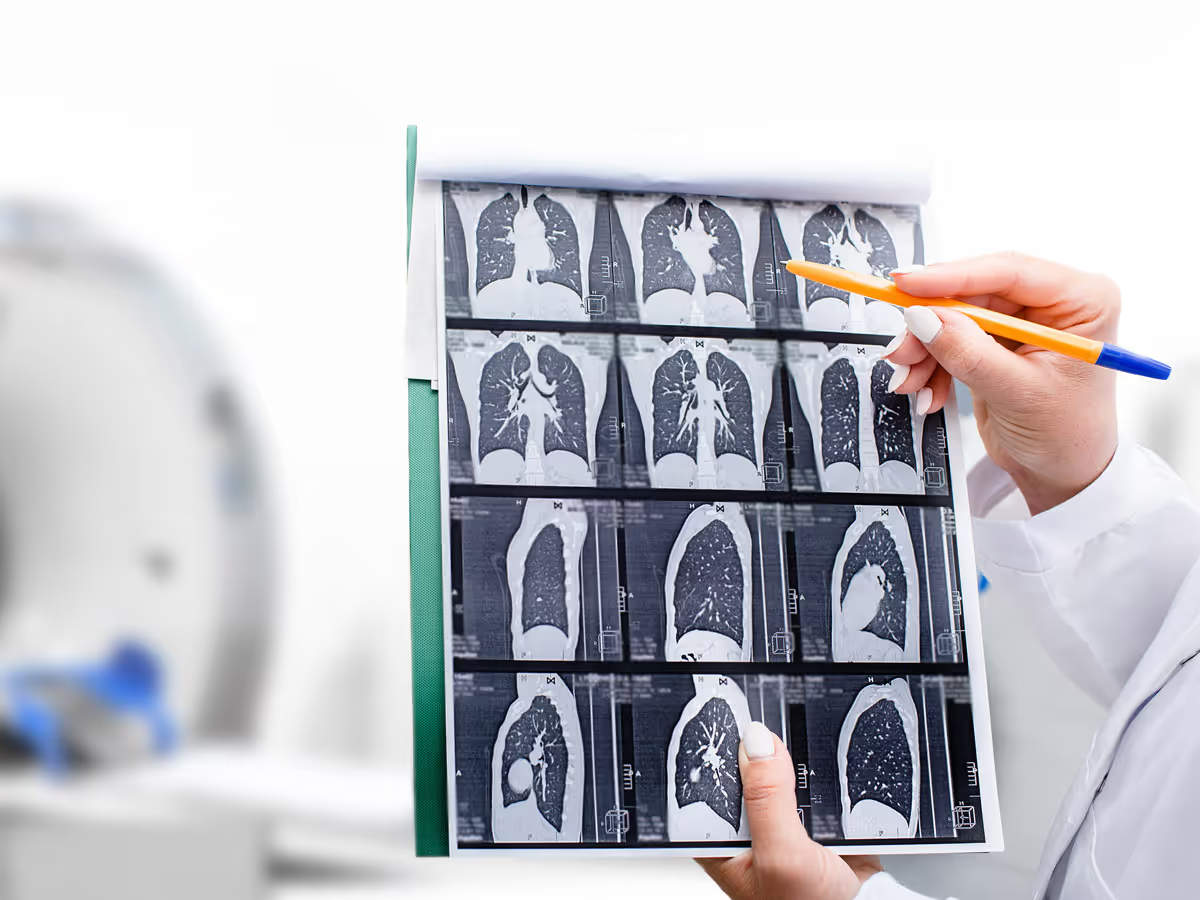
Screening is key to early detection because it can find lung cancer even before symptoms occur. Lung cancer screening involves testing with a low-dose computed tomography scan (also called a low-dose CT scan or LDCT scan). The scan itself takes less than 5 minutes. Screening is currently the only proven method that can detect lung cancer early—when it is more treatable.
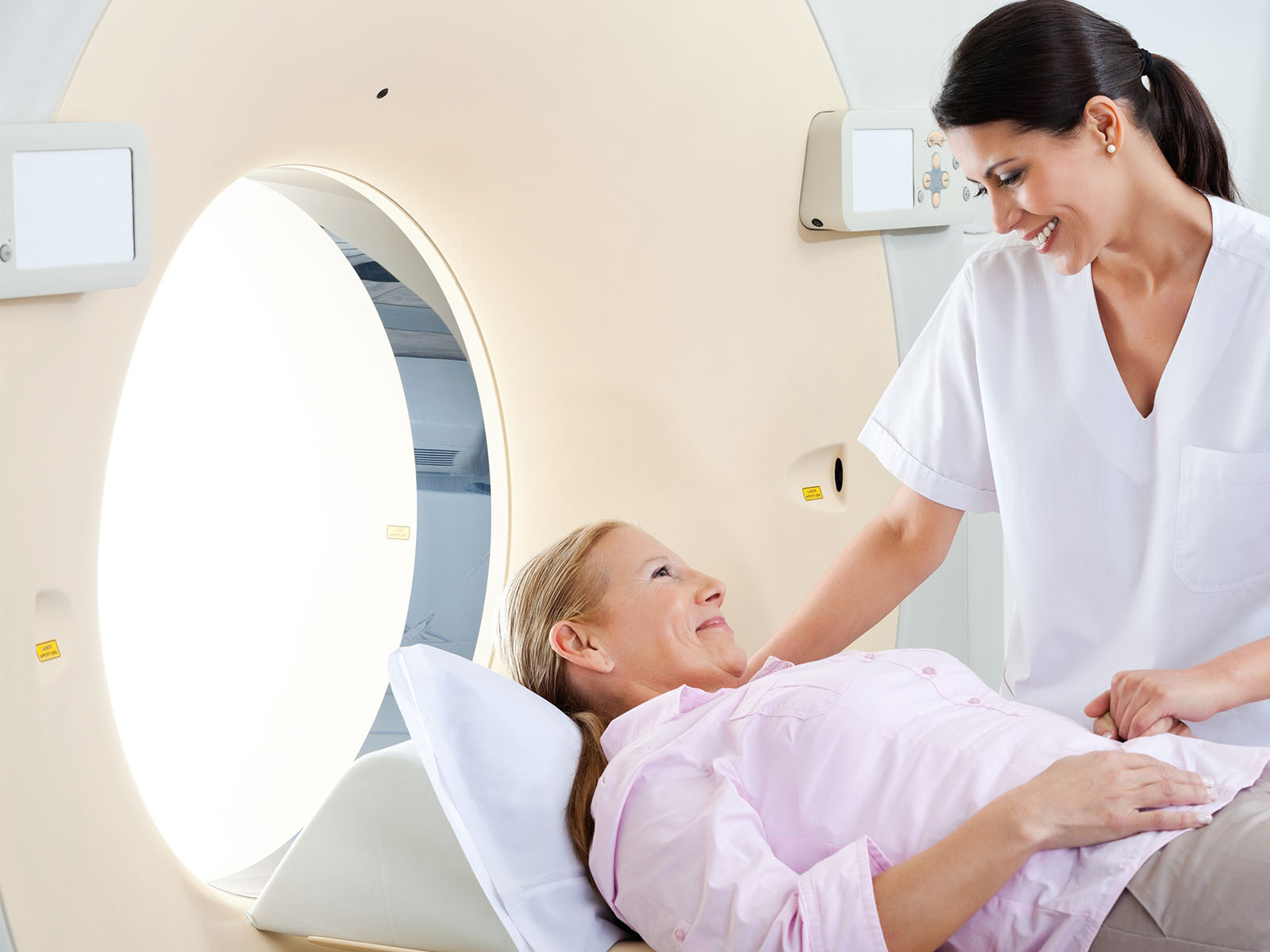
Assess your risk for lung cancer
Talk to a member of your healthcare team if you think you may be at risk for lung cancer.
Lung cancer screening criteria
The most recent screening guidelines recommend annual lung cancer screening for people who are:
- Between ages 50 and 80, and*
- Have a 20-pack-year smoking history or greater, and
- Currently smoke or quit within the past 15 years.
*Medicare covers ages 50 to 77
Use this simple tool to calculate your pack years
Need to get screened? You can find a screening center near you through GO2 for Lung Cancer’s nationwide network of designated Centers of Excellence in Screening.
Find a screening center near you
It’s best to be screened for lung cancer at an experienced center that follows approved guidelines for lung cancer screening. GO2’s national network of Centers of Excellence in Screening facilities are committed to high-quality, evidence-based screening practices.
Getting screened at a facility that follows quality screening guidelines ensures a low-dose CT screening is carried out safely and efficiently for all eligible community members.
If you are a healthcare provider interested in joining GO2's Center of Excellence network, learn more about our benefits and designations.
COE Designations
- Lung Cancer Screening - Provides a low-dose CT screening program that follows the National Comprehensive Cancer Network (NCCN), U.S. Preventive Services Task Force (USPSTF), or Centers for Medicare & Medicaid Services (CMS) criteria and uses a structured process to manage patient follow-through.
- Cancer Care - Provides standard cancer services within medical, radiation, and surgical oncology and pathology.
- Incidental Pulmonary Nodules - Provides a structured program for patient follow-up and reporting across the health system when a lung nodule is found on imaging other than a lung screening.
- Biomarker Testing - Ensures access to comprehensive biomarker testing (molecular and immune biomarkers with next-generation sequencing technology) in all patients who are eligible to determine whether targeted therapies or immunotherapies are a treatment option.
Questions to ask your provider if you’re not near a Center of Excellence in Screening

What test do you use to screen for lung cancer?
The test should be a low-dose CT (LDCT) scan, which means that the radiation amount is much lower than in a regular CT scan.
Who will interpret the scan?
It is best for a radiologist with experience reading and reporting LDCT scans of the chest to be the one to interpret your scan.
What guidelines will be used if something is found?
Your screening program should work with your primary care provider to arrange any follow-up tests or care that you need, preferably from a team of doctors who will work together to evaluate and treat you.
Who is eligible for screening in your program?
Annual screening is recommended for individuals whose age and smoking history place them at higher risk for lung cancer.